Rahul Somvanshi
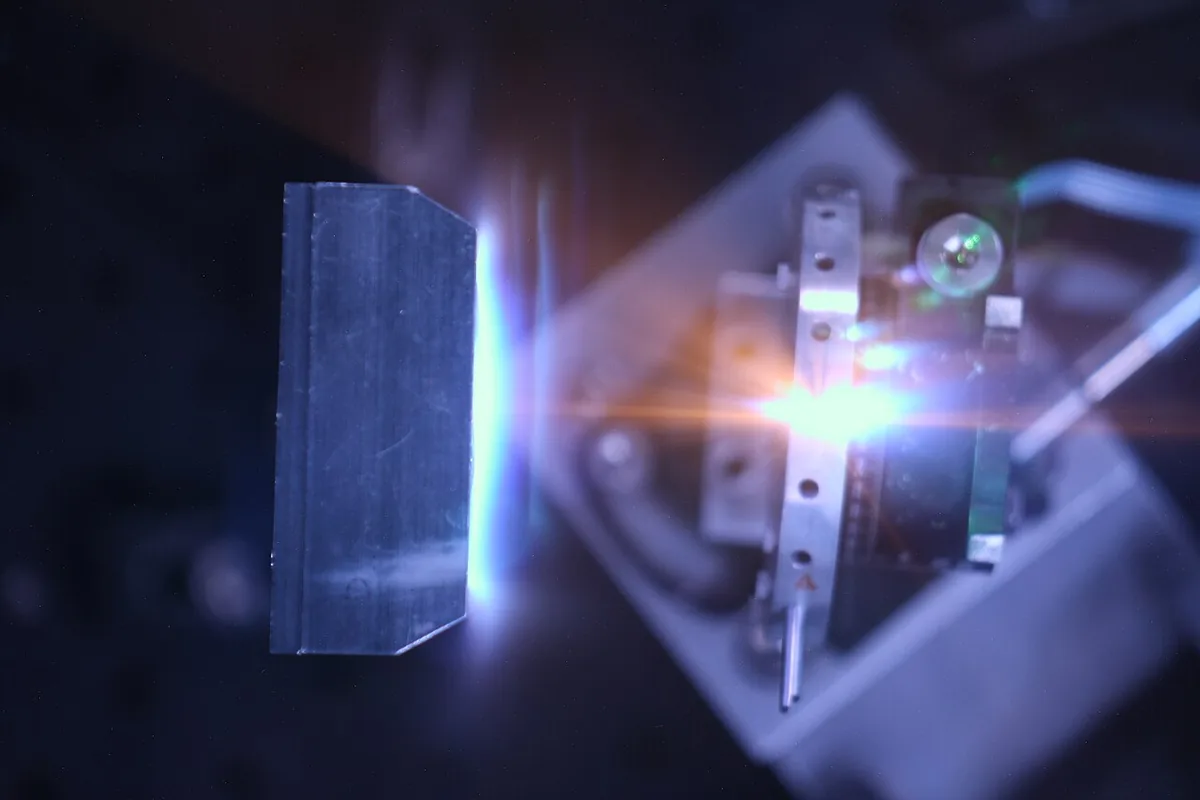
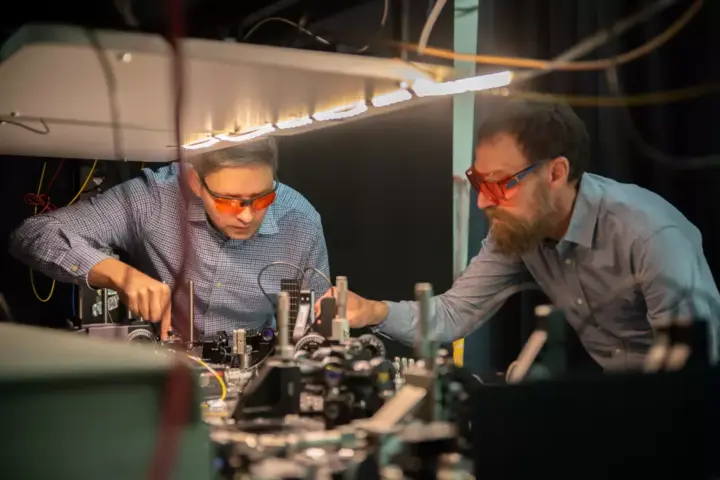
For UK fusion investors and energy planners, a central question is whether inertial fusion can reduce the laser energy needed for ignition while maintaining high fusion gain. STFC’s Central Laser Facility (CLF) at Rutherford Appleton Laboratory is working with Oxford-based First Light Fusion to model the fast-ignition stage of the company’s FLARE concept. The one-year programme will study how laser-generated energetic electrons move through plasma and how target design and magnetic fields might guide them into compressed fuel.
FLARE stands for Fusion via Low-power Assembly and Rapid Excitation. First Light developed the concept over 15 years of work in inertial fusion energy, according to UK Research and Innovation (UKRI). The concept separates fuel compression from rapid ignition heating. First Light reports that experiments on its M3 pulsed-power facility tested FLARE’s multi-shell compression principle. Those experiments were not designed to demonstrate ignition or fusion gain.
The CLF modelling will focus on the separate ignition stage. It will examine how a short, intense laser pulse generates energetic electrons, how they travel through plasma and how efficiently they transfer energy to dense fuel. The researchers will also explore whether engineered target structures and magnetic fields can guide electrons into the ignition region.
The aim is to reduce the laser energy required to start fusion burn while maintaining high gain. The partners will assess the physics alongside efficiency, cost, engineering and scalability, with the results intended to help define laser requirements for ignition and inform a potential future high-gain demonstrator. The announcement gives no target laser-energy requirement or experimental result for FLARE’s ignition stage.
How First Light Fusion FLARE separates compression and ignition
In inertial fusion, a driver compresses and heats fuel towards the conditions needed for fusion. FLARE proposes separating those tasks: its target and pulsed-power driver are intended to assemble the fuel at high density, while a separate short laser pulse would provide rapid ignition heating.
The distinction does not remove the laser from the system. The laser is proposed for the ignition step, which the CLF partnership will model. First Light’s M3 experiments tested the compression principle; they did not demonstrate an integrated FLARE system, ignition or fusion gain.
CLF says FLARE’s cylindrical geometry gives direct access to a large area of compressed fuel compared with standard laser fast-ignition approaches. The programme will assess target structures and magnetic fields as possible ways to guide energetic electrons into the ignition region. These are approaches under investigation, not demonstrated results of the collaboration.
In inertial fusion, target gain compares fusion energy released with driver energy delivered to the target. It does not by itself show that a whole power plant would produce net electricity: driver efficiency and the energy demands of the wider plant also matter. Greater fusion energy per shot could, in principle, reduce the number of shots needed for a given output, depending on system efficiencies. CLF presents a lower repetition rate and less demanding requirements for the driver, chamber and fuel-delivery systems as potential benefits of high gain, not outcomes established by this modelling.
The collaboration takes a system-level approach, considering target geometry, electron transport, magnetic guidance and laser requirements alongside cost and engineering. Fusion remains a research pathway, and the partnership announcement sets no date for a commercial power plant. Its stated next step is a year of modelling to help define ignition-laser requirements and inform a potential future demonstrator.
What is the UK Central Laser Facility and First Light Fusion partnership about?
STFC’s Central Laser Facility at Rutherford Appleton Laboratory is working with First Light Fusion to model fast ignition in the FLARE concept. The one-year programme will study short laser pulses, energetic electrons and their transport through plasma, aiming to reduce ignition energy while maintaining high gain.
How does First Light Fusion’s FLARE fast-ignition concept work?
FLARE separates fuel compression from ignition heating. First Light reports that M3 experiments tested the multi-shell compression principle using a pulsed-power facility. The partnership will model the separate heating stage, including how laser-generated electrons move through plasma and whether target structures and magnetic fields could guide them into dense fuel.
Why does high fusion gain matter for a fusion power plant?
In principle, more fusion energy per shot could mean fewer shots are needed to deliver a given output, depending on driver and plant efficiencies. CLF says high gain could reduce the required repetition rate and ease some demands on the driver, chamber and fuel-delivery systems. This is a projected benefit; the collaboration has not established plant costs or demonstrated those system effects.
Has First Light Fusion tested its FLARE compression step yet?
First Light reports that its M3 experiments tested FLARE’s multi-shell fuel-compression principle with a pulsed-power driver. The company says the experiments were not designed to demonstrate ignition or fusion gain. The CLF’s one-year modelling programme addresses the separate fast-ignition stage.