NIST Quantum Position Verification Experiment Targets Remote Hackers as Cybercrime Losses Exceeded $16 Billion
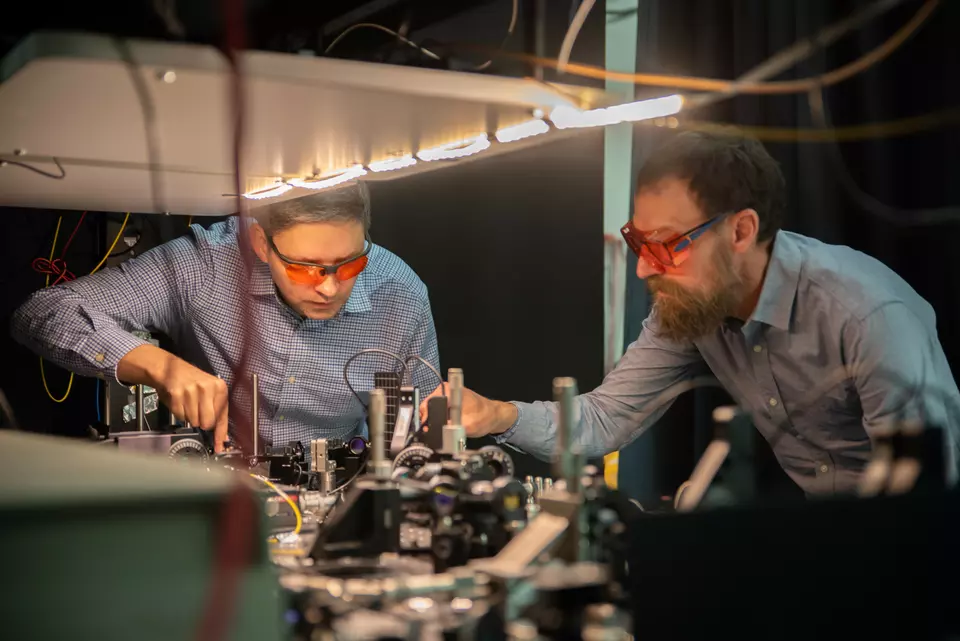
A remote hacker who steals login details may still be far from the bank, hospital or control room they want to access. NIST researchers have tested a way to make physical location part of digital authentication. Their quantum position verification experiment used entangled photons and timed light pulses to check whether a prover was at a claimed location.
NIST announced the work on November 18, 2026. The study, by Gautam Kavuri and colleagues, appeared online in Nature the same day. On NIST’s Boulder, Colorado, campus, the team set up two verifier stations 195 meters apart, joined by electrical cables and optical fibers. A prover claiming to be between them had to measure a photon and report the result within the protocol’s timing limits.
Led by NIST physicist Krister Shalm, the team included Marty Stevens and collaborator Scott Glancy. The protocol passed a loophole-free Bell test, showing photon correlations that violate the limits set by classical physics. NIST described it as the first complete demonstration of such a protocol. The experiment verifies location, not identity, and applying the technique in real situations may be at least ten years away while large-scale quantum networks are developed.
Potential applications could include helping protect health records, financial transactions and critical infrastructure. The FBI reported that losses described in its 2024 Internet Crime Report exceeded $16 billion. NIST also says far fewer than 1% of cybercriminals are caught; that figure should be understood as an estimate, not a measured rate for all cybercriminals. If quantum position verification can be used in future networks, it could add a location check alongside existing identity and access controls.



Latest from Science
Endometriosis Genetic Study Findings: 27 New Regions and 314 Genes
Chronic pelvic pain and fertility challenges can lead people to seek answers about their symptoms. The endometriosis genetic study findings come from an NIH-supported analysis of more than 1 million participants. The
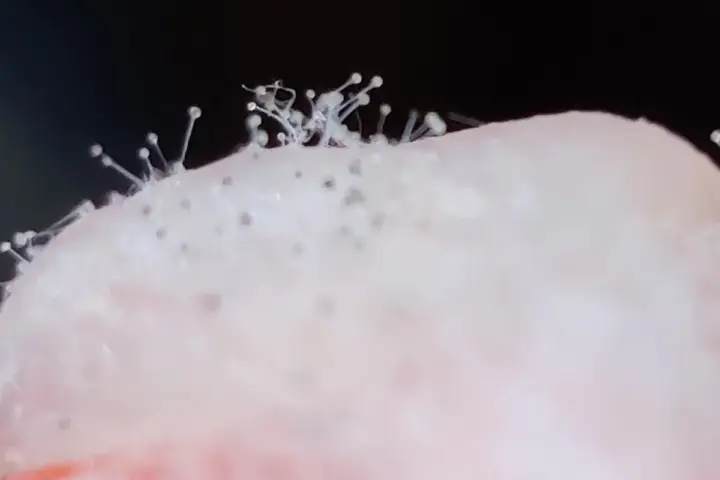
Mycotoxins found in 212 tested plant-based foods, study reports levels below EU guidelines
People who eat plant-based burgers, sausages or milk alternatives may be concerned by a study finding fungal toxins in every product tested. Researchers examined 212 UK products and detected at least one
Daraxonrasib pancreatic cancer pill: FDA approval covers previously treated metastatic disease
Patients with advanced pancreatic cancer and their families may be asking whether daraxonrasib offers another treatment option after chemotherapy. The medicine, developed by Revolution Medicines and marketed as RASONQUE, is an oral
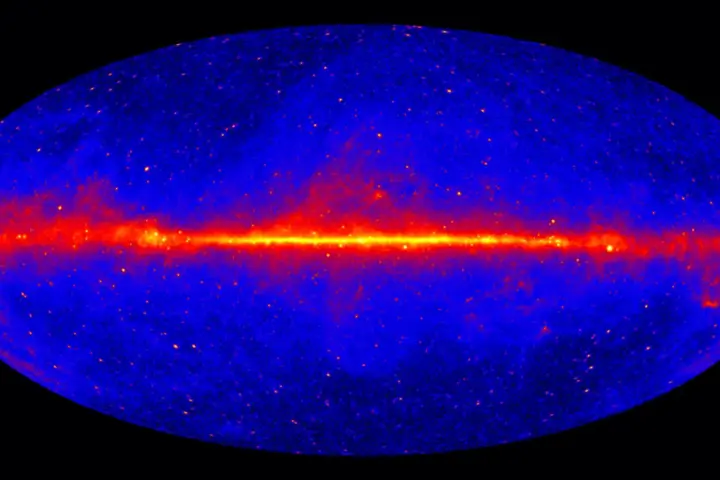
NASA Fermi Pulsar Cryptography Search Finds 261-Hz Dead Star a Million Times Faster
The NASA Fermi pulsar cryptography search found a dead star in open telescope data a million times faster than earlier methods. Astronomers located PSR J1622−7204, an isolated pulsar that spins 261 times
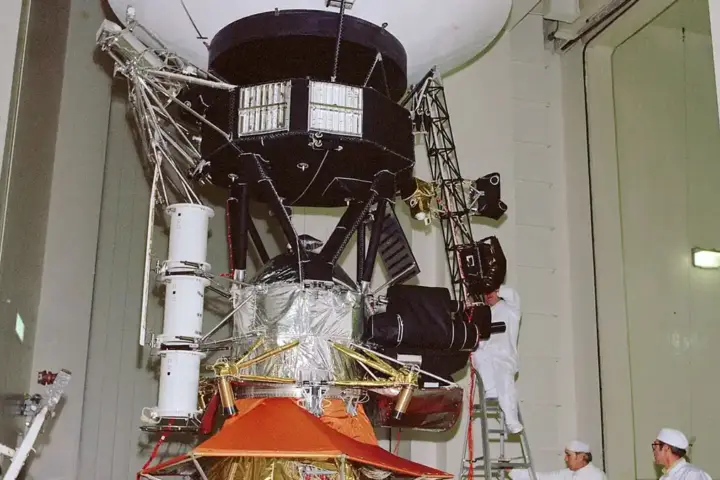
NASA Confirms Voyager 1 Reached One Light-Day From Earth, a 48-Hour Message Delay
NASA’s Voyager 1 probe crossed the one light-day distance from Earth on November 18, 2026, at 5:16 a.m. EST. The Jet Propulsion Laboratory confirmed the milestone at about 173 Astronomical Units. It

Homo Erectus Survived in Subtropical Rainforests, Fossil Teeth From China Reveal
Two new studies published together in Nature have recovered fossil teeth proving that Homo erectus both survived and thrived in dense subtropical rainforests — directly challenging a leading theory about why this
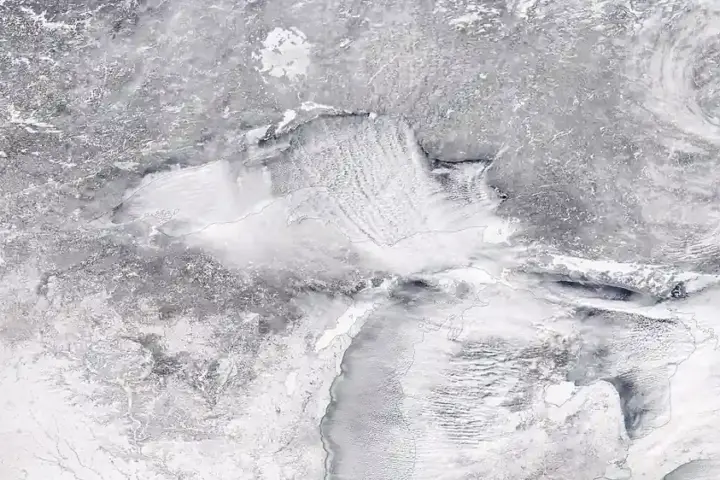
Polar Vortex Flipped: What the Met Office Says About UK Snow and Freezing Weather
Social media is flooded with claims that a devastating blizzard is imminent because the polar vortex has flipped. Met Office has since issued a direct response to this. The stratospheric wind reversal
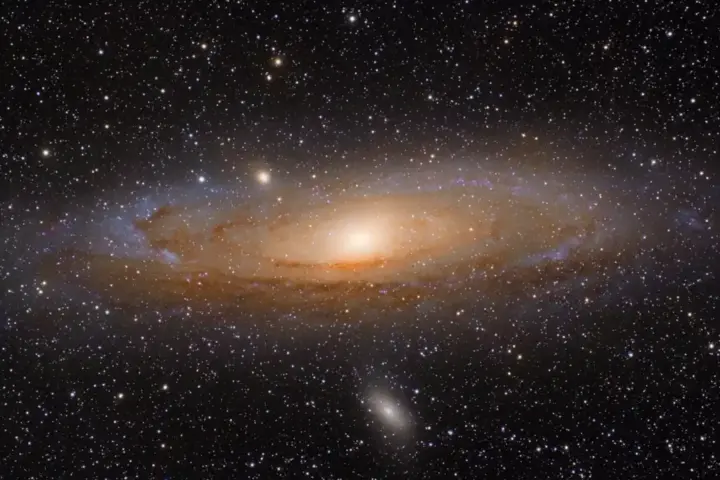
Red Giant Star Merges With Companion in Real Time: Common Envelope Event Captured in Andromeda
For the first time in history, astronomers have directly observed frictional-drag energy dissipation inside a common envelope event — capturing the physical signature of a red giant consuming its binary companion as
Google Gemini 4 Neon and Hydrogen Launch as Agentic AI Models for Coding and Robotics
Google has expanded the Gemini 4 family with two purpose-built models: Gemini 4 Neon, designed for agentic reasoning and multi-step coding pipelines, and Gemini 4 Hydrogen, an ultra-fast execution engine targeting robotics
Critical antibiotic resistance reports jump 25.2 percent in Australia during 2024, AMA warns
You leave the doctor with a script for antibiotics. After two days you feel better, and you wonder if you still need the rest. Or you ask for antibiotics to clear a
NASA Dust Grains Point to Ancient Ice Beyond Neptune, Without a Probe
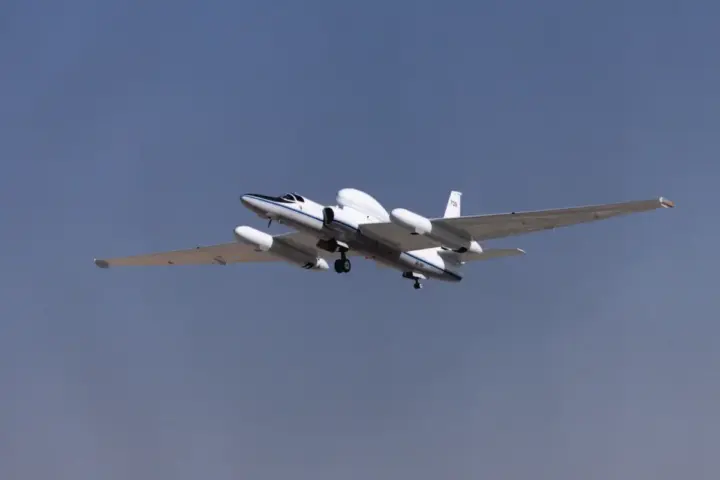
Could scientists study the icy edge of the solar system without sending a probe there? NASA researchers examined tiny dust grains collected high above Earth in a study linked to ancient ice
NASA 3D Wildfire Map of California Can Spot Single Trees at 1 Square Meter
If your home sits where California’s forests meet neighborhoods, wildfire risk can depend on details as small as a single tree. On November 18, 2026, NASA published an announcement about a 3D
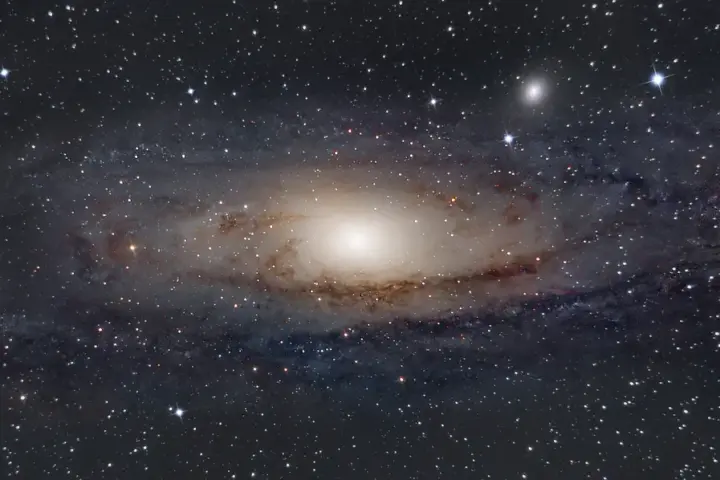
James Webb Space Telescope catches Andromeda’s Bao stellar merger 47 days after peak
Some stars swallow their partners, and astronomers rarely get to see it happen. Stellar mergers are very hard to watch in real time, because they are very hard to predict. This time,
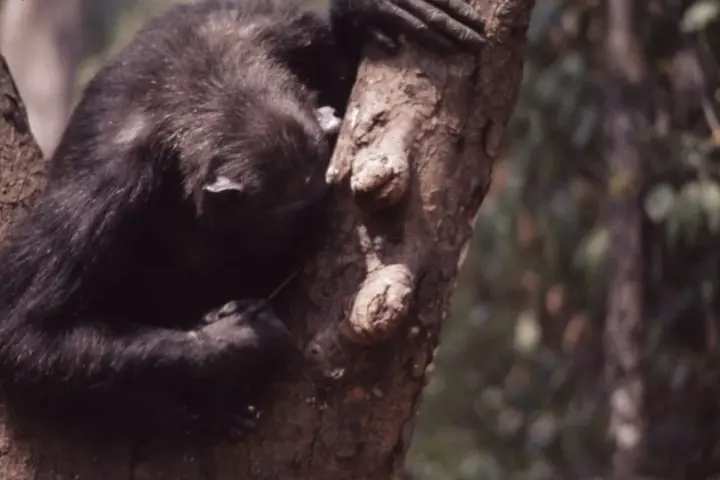
Chimpanzee Tool Use Found 230 km Farther South in Tanzania’s Loasi Forest
Scientists Document Chimpanzee Tool Use About 230 km Farther South in Tanzania’s Loasi Forest Wild chimpanzee tool use in Tanzania’s Loasi Forest Reserve reaches farther south than scientists had recorded. The study
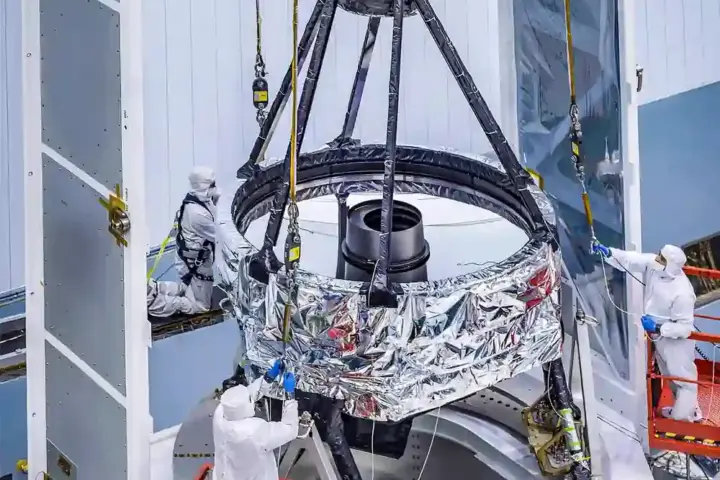
NASA Sets Dec. 7 for Roman Space Telescope First Images—How to Watch Live and Adopt a Pixel
Want to see the Roman Space Telescope first images when they arrive? Mark Monday, December 7, 2026. NASA will release them live at 3:30 p.m. Eastern time, and you can take part