 Sonali Tiwary
Could scientists study the icy edge of the solar system without sending a probe there? NASA researchers examined tiny dust grains collected high above Earth in a study linked to ancient ice beyond Neptune. NASA says the grains’ origins point to the Kuiper Belt, a region of icy bodies beyond Neptune. Here is what the findings show.
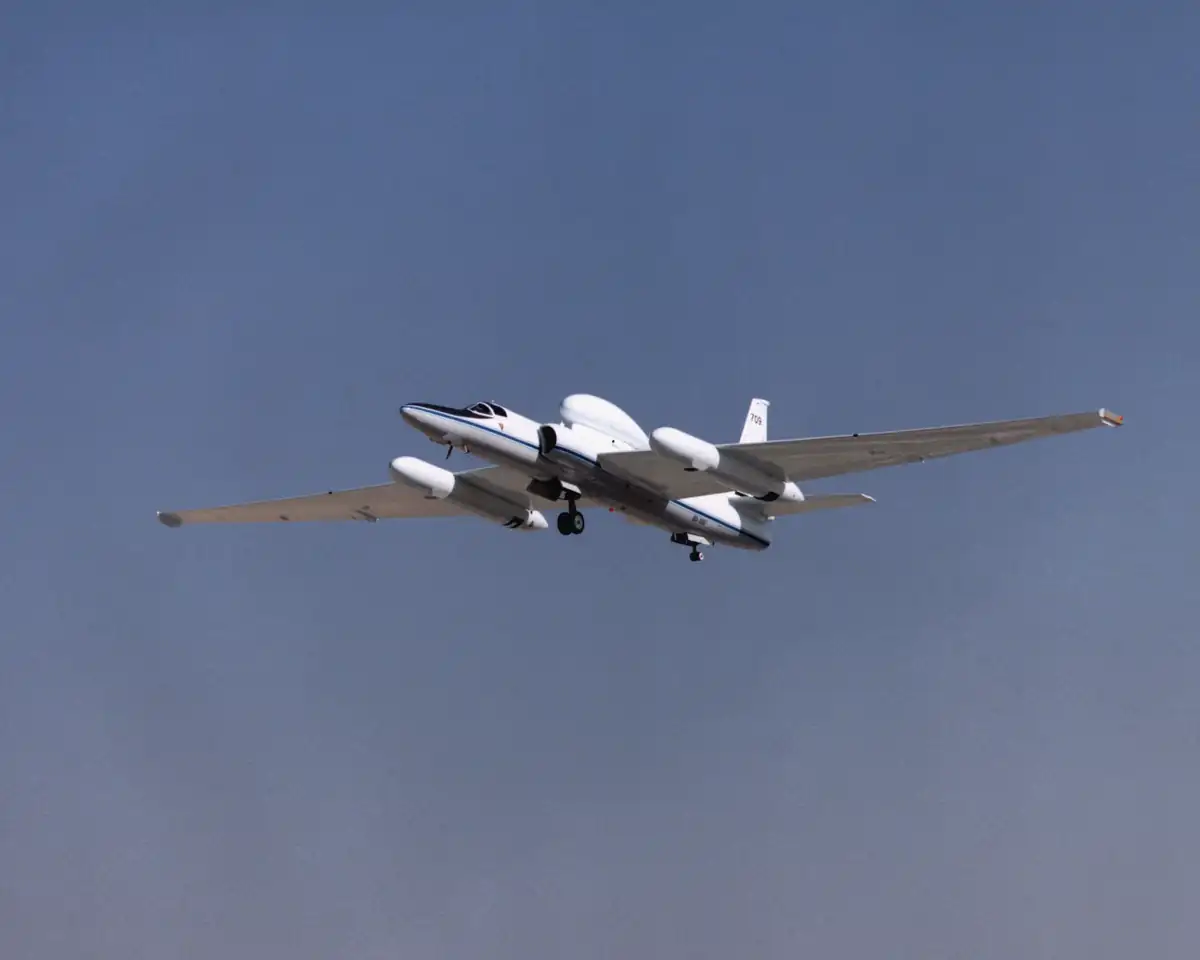
Researchers at NASA’s Johnson Space Center in Houston analyzed 12 dust particles, working with colleagues at the University of California, Los Angeles (UCLA). NASA’s ER-2, a high-altitude research aircraft, collected the particles in Earth’s stratosphere, the layer of air far above the weather. NASA’s November 18, 2026 report on ancient ice beyond Neptune describes minerals that formed when water interacted with early solar system dust. Their chemical signatures indicate that the ancient water was enriched in heavier oxygen isotopes. The team used advanced electron microscopy at NASA and an ion microprobe at UCLA. An ion microprobe directs a focused beam of ions at a tiny spot, knocking material off the surface and measuring the ions it releases.
For anyone following planet formation, the findings change what evidence scientists can examine. Earlier evidence for a heavy-oxygen water reservoir in the outer solar system came from meteorites and carbon-rich asteroid material, and it was sparse. The grains add a new line of evidence linked to the Kuiper Belt. The result gives researchers a new way to test ideas about how planets formed, without waiting for a distant spacecraft.
How NASA Linked the Dust Grains to the Kuiper Belt
Solar energetic particles are fast, charged particles that the Sun sends out. When they strike a grain, they leave microscopic damage trails called tracks. NASA says high concentrations of these tracks helped scientists trace the grains’ origins to the Kuiper Belt. The research paper explains the reasoning. The paper reports track densities about two orders of magnitude higher than expected for dust from main-belt asteroids or Jupiter-family comets. The authors therefore conclude the grains originate from Edgeworth-Kuiper Belt objects. This is an inference from track density, not a match to one named object.
What the Oxygen Isotopes Reveal
Oxygen isotopes are versions of oxygen atoms with different weights. Think of them like pebbles that look identical but weigh slightly differently. Heavier isotopes are rarer, which makes their ratio a useful fingerprint for scientists. In these grains, the heavier forms are oxygen-17 and oxygen-18.
To put the grains in context, NASA says measurements from the Genesis mission provide a reference for comparing oxygen isotopes. Genesis collected particles from the solar wind, the stream of charged particles flowing from the Sun.
Why Giant Planets May Have Limited Mixing
Why does this matter for planet building? NASA suggests that giant planets may have limited mixing between the outer and inner solar system. Its evidence is the scarcity of similar signatures in meteorites. The research paper points to Saturn, possibly together with the ice giants, as the most likely barrier. NASA presents this as a suggestion, not a confirmed conclusion. For more on objects beyond Neptune, see our report on the Rubin Observatory’s dwarf planet candidate, 2026 ED138.
How the ER-2 Caught the Dust Above Earth
Reaching the Kuiper Belt directly would require a spacecraft to travel far past Neptune, a trip that takes years. NASA instead used a research aircraft in Earth’s upper atmosphere. Dust from small bodies across the solar system spirals inward over time, and some of it survives entry into Earth’s atmosphere. Other missions also target icy worlds. NASA’s Dragonfly rotorcraft is targeted to launch in July 2028 to explore Saturn’s moon Titan.
How did NASA collect Kuiper Belt dust without going beyond Neptune?NASA did not collect the dust from the Kuiper Belt. Its ER-2 high-altitude research aircraft gathered dust particles in Earth’s stratosphere. Researchers at NASA’s Johnson Space Center then analyzed those grains, and NASA says their origins point to the Kuiper Belt.
How did NASA know the dust came from the Kuiper Belt?NASA says high concentrations of solar energetic particle tracks in the grains helped scientists trace their origins to the Kuiper Belt. The research paper explains the reasoning: track densities are about two orders of magnitude higher than expected for dust from main-belt asteroids or Jupiter-family comets. That points to outer solar system sources, such as Edgeworth-Kuiper Belt objects.
Could giant planets have kept outer and inner solar system materials apart?NASA suggests that giant planets may have limited mixing between the outer and inner solar system, based on the scarcity of similar signatures in meteorites. The research paper points to Saturn, possibly together with the ice giants. Both are presented as possibilities, not confirmed conclusions.
NASA researchers analyzed 12 dust grains that an ER-2 aircraft collected in Earth’s stratosphere. Solar energetic particle tracks helped scientists infer a Kuiper Belt origin. Minerals inside the grains point to ancient water enriched in heavier oxygen isotopes. The grains’ origin remains an inference. The giant-planet mixing idea remains a suggestion, not a settled result.