 Tejal Somvanshi
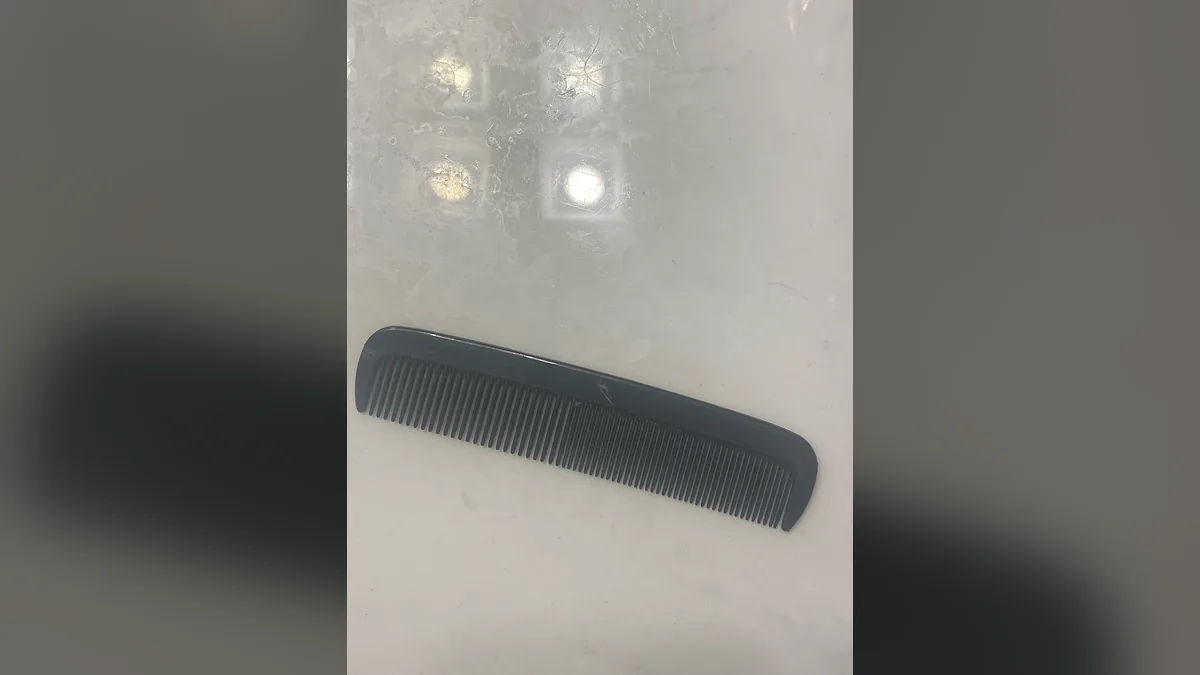
If you have pattern hair loss, you have probably tried a foam, a pill or both. Existing drug treatments have drawbacks, including systemic side effects from oral medication and limited results from topical applications. Now an electric comb hair growth study is getting attention. The early numbers look strong. But they come from mice, and that matters for anyone deciding what to do about their own hairline today.
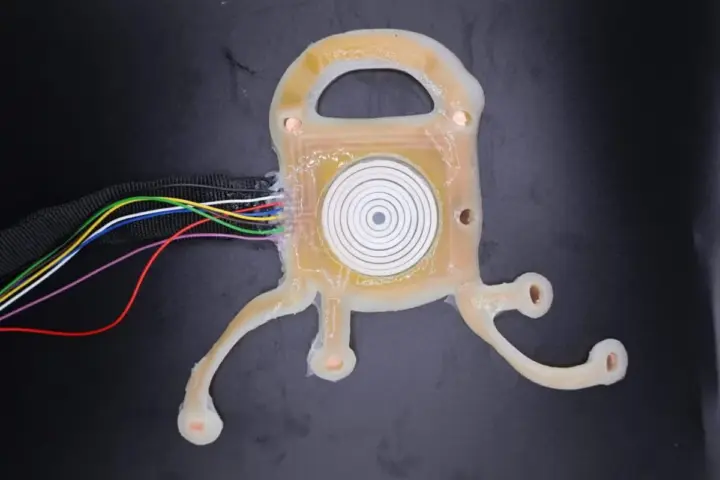
Researchers at Beihang University in China built a comb-shaped bioelectronic device called Detangle. They reported it in Nature Communications. It targets androgenetic alopecia, the medical name for pattern hair loss, which affects over 1.5 billion people. The comb has electronic teeth of two different heights. It also has compartments that carry therapeutic molecules. As it is drawn across the scalp, it sends tiny pulses of electricity and lifts the skin. This creates an electric field up to about 9 times deeper than conventional topical application. It is also 2.63 times stronger than aligned electrodes. Cells took up as much as 3.4 times more of the molecules.
For you, the practical meaning is simple. Nothing here is available to buy, and no doctor can prescribe it. The device has not been tested on a single person. Nothing in this study replaces treatments you can get today. If you want context on your own odds, this report on male pattern hair loss risk is worth a look. Think of the comb as an early lab result, not a product.
What the comb carried and how the mice responded
The comb delivers two molecules. One is a VEGFA plasmid, which encourages blood vessels to grow around follicles. The other is SRD5A2 siRNA, which reduces dihydrotestosterone. That hormone shrinks follicles in pattern hair loss.
The team tested the comb on mice with experimentally induced pattern hair loss. Treatment came once every three days for 28 days. Hair regrew over almost 100% of the shaved area. Topical minoxidil reached about 70%. The comb also outperformed finasteride. Follicle count rose and blood flow improved.
Mouse skin is far thinner than human scalp skin. That gap is the main hurdle. Voltages and dosing would need redesign before any human test.
One detail stands out in this mice hair loss electric comb work. Most hair treatments go after a single cause. This comb works on two at once, improving blood supply while turning down the hormone that shrinks follicles. Its shape matters too. Teeth of two heights lift the skin as they move, so the tool acts as both applicator and delivery system. It also fits a growing field of wearable medical technology, where small devices do jobs once left to pills.
Can the newly invented electric comb cure human baldness? Not yet. It restored almost all hair in mice, but human scalp skin is much thicker and no human trials have started.
In short, Chinese scientists have built a hair regrowth comb that beat minoxidil and finasteride in mice. It pairs electric pulses with two therapeutic molecules. The results are promising but early. Human trials have not begun, and the design must be reworked for thicker scalp skin. For now, the comb is a research lead, not a treatment.