US Loses Measles Elimination Status: 26 Years Reversed as MMR Vaccination Rates Drop
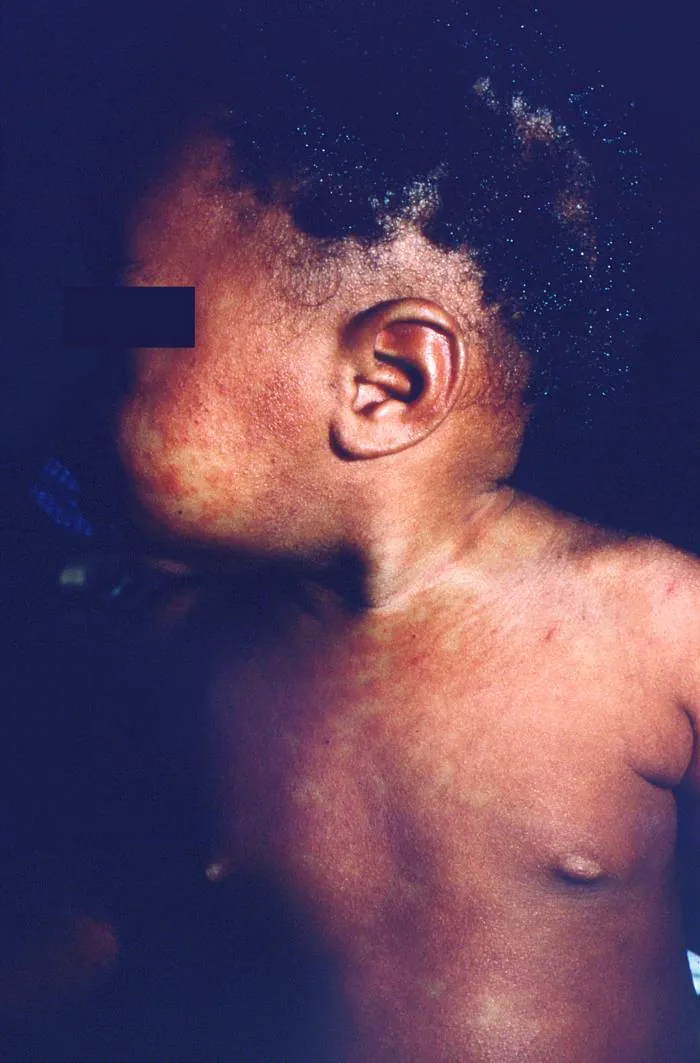
On November 17, 2026, the Pan American Health Organization officially revoked the United States’ measles elimination designation. The country had held this status since 2000. It took 26 years to build and less than a decade of declining vaccination rates to dismantle. The US joins a short list of countries that have seen hard-won public health achievements reversed.
The US loses measles elimination status not because a single outbreak slipped through, but because transmission chains were never interrupted. Elimination does not mean zero cases — it means no continuous domestic spread for 12 months or more. PAHO’s revocation indicates that the US can no longer demonstrate that standard. Measles is now spreading person to person inside the country, not merely arriving with travelers and stopping there. CDC Director Dr. Erica Schwartz put it plainly: “The measles elimination designation is not what protects Americans. Vaccination does.”
The groups most exposed are those who cannot be vaccinated on the standard schedule. Infants under 12 months cannot receive the MMR vaccine routinely. Those aged 6 to 11 months may receive an early dose during active outbreaks or before international travel. Severely immunocompromised individuals may have MMR contraindicated entirely. This includes those in cancer treatment, organ transplant recipients, and people living with HIV. They depend on herd immunity for protection. When transmission is active across eight states, neither group has a safety net.


Latest from Health
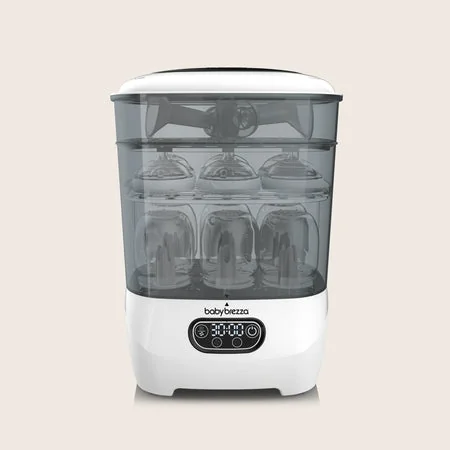
Baby Brezza SuperFast Sterilizer Recall: 33,500 Units Face Burn Hazard
If a Baby Brezza SuperFast Sterilizer Dryer sits on your counter, unplug it now. The U.S. Consumer Product Safety Commission and Baby Brezza announced a formal recall on November 5, 2026, covering
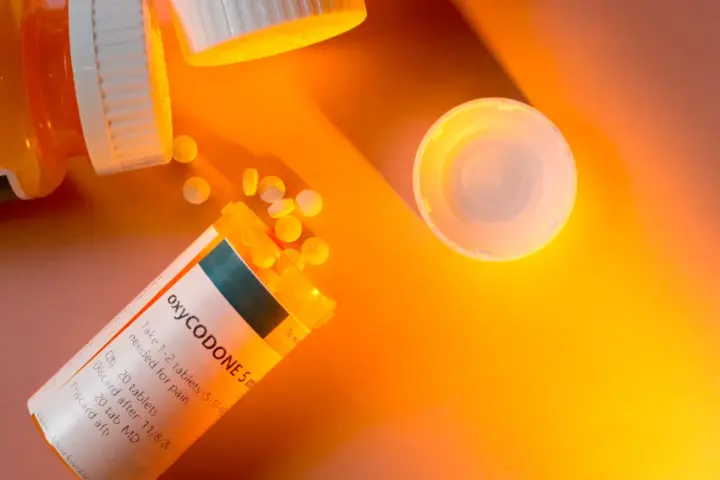
Propranolol Recall 2026: Breckenridge Pulls Lot PK25110035 Over Metal Particle Risk
If you take generic extended-release propranolol for high blood pressure, migraines, or heart conditions, check your medicine cabinet immediately. One nationwide 100-count lot—PK25110035, expiring May 2029—has been recalled by Breckenridge due to
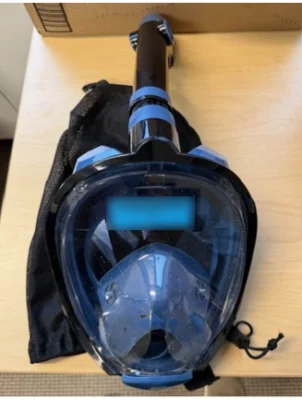
CPSC Warns Consumers to Throw Away Qing Song Full-Face Snorkel Masks Over Drowning and CO2 Risk
Before packing for a winter beach trip or cruise, check your gear for a Qing Song full-face snorkel mask with a “shark fin” snorkel tube. Because trapped carbon dioxide and restricted airflow
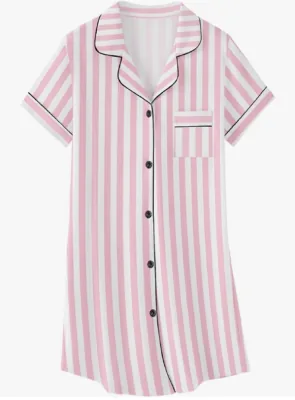
Umeyda Children’s Nightgown Recall (CPSC #26-073): Side-Seam Label Check & Amazon Refund
Umeyda Children’s Nightgown Recall (CPSC #26-073): Side-Seam Label Check & Amazon Refund If you bought a $19 cotton nightgown for a child on Amazon this year, check the dresser now. The U.S.
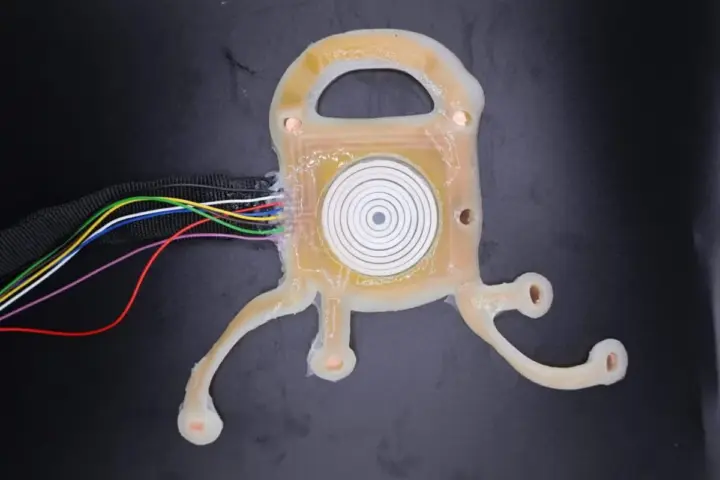
Wearable Ultrasound Patch Reaches REM Sleep 43 Minutes Faster in UT Austin NEUSLeeP Study
You lie awake in the dark, body exhausted but mind still cycling through the day’s unfinished pressure. By the time you finally drift off, the alarm is only a few hours away
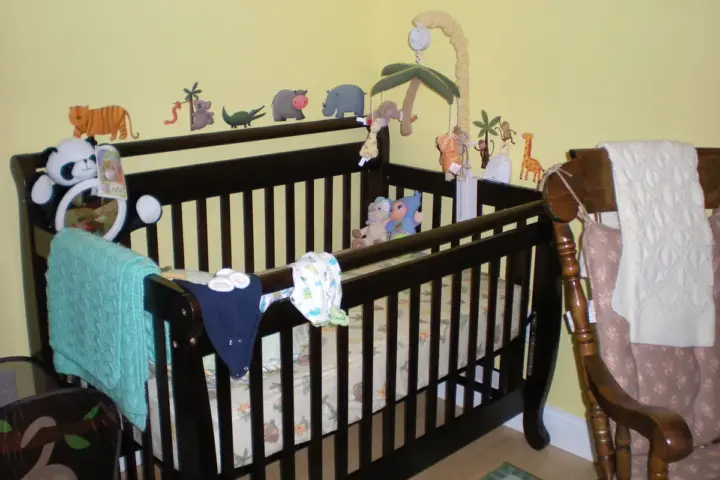
Criblike Mattress Recall (XCD-001, XCD-002, MNCL-001): Amazon Suffocation Risk & Refund Steps
Criblike Mattress Recall (XCD-001, XCD-002, MNCL-001): Amazon Suffocation Risk & Refund Steps If you bought a white Pack and Play mattress or mini-crib mattress on Amazon between June and September 2025, check
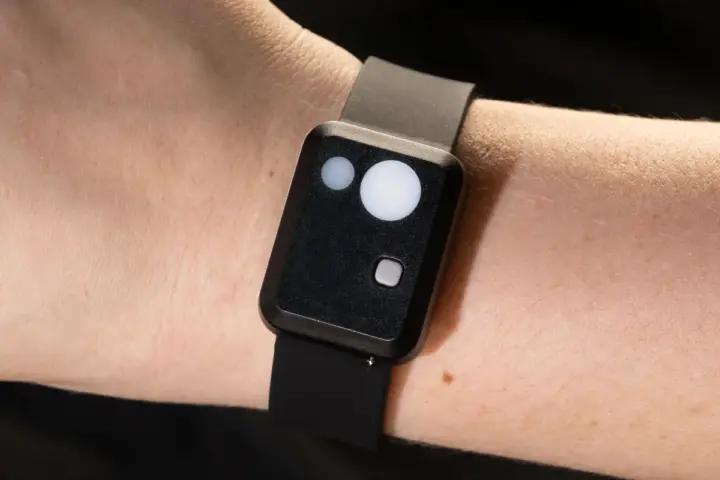
Morning Naps Mortality Risk: 30% Higher in Older Adults, 19-Year Study
Morning Naps Mortality Risk: 30% Higher in Older Adults, 19-Year Study If you are over 60 and find yourself drifting off in the morning more often than before, or you have noticed

Yale School of Medicine 51-Study Analysis: Metformin and Semaglutide Lower Biological Age Markers
If you spend money each month on anti-aging supplements, a large new analysis from Yale University has findings worth reading. Researchers reviewed 51 clinical studies and found the interventions that consistently moved

Fresh To You Biscuit Sandwich Recall: 2,414 Units Pulled in Oregon and Washington Over Listeria Risk
If your office fridge holds a breakfast sandwich, a Fresh To You biscuit sandwich recall now covers 2,414 units distributed in Oregon and Washington. Fresh & Ready Foods LLC pulled the Sausage,
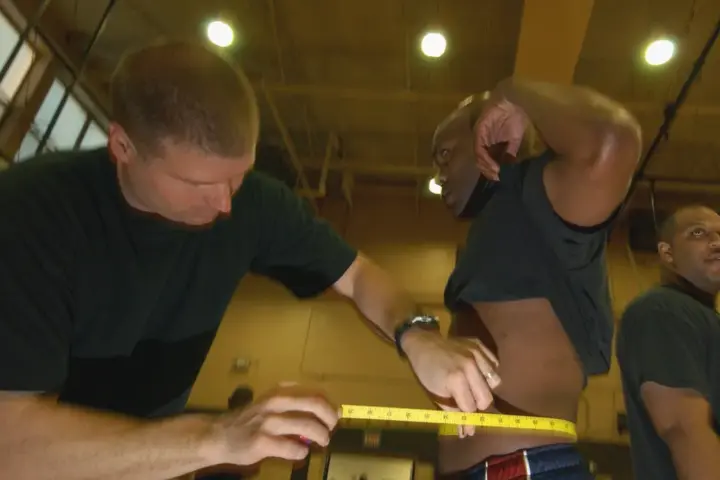
Cleveland Clinic Study of 20,486 Patients Ranks Best Options After Stopping GLP-1 Drugs
If you take a GLP-1 drug such as Ozempic, Wegovy, Mounjaro or Zepbound, the decision to stop can feel like the end of the road. Cost, insurance limits and side effects push
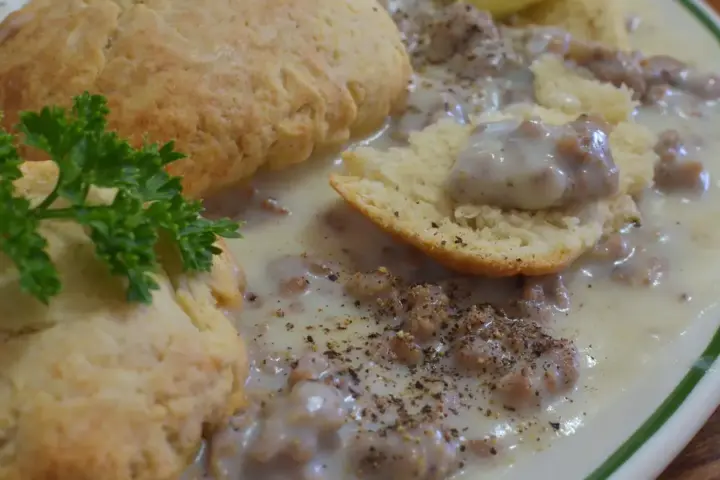
FSIS Biscuit Listeria Alert: Ready-to-Eat Meat Products Made With Recalled Biscuits
If you have refrigerated or frozen breakfast sandwiches or other ready-to-eat meat-and-biscuit products at home, check them now. The U.S. Department of Agriculture’s Food Safety and Inspection Service issued a public health

Family Farmstead Second Raw Cheddar Recall: All Cheddar Dated 10/16/27 or Earlier in 12 States
If you bought raw cheddar cheese from Family Farmstead Dairy in the last few weeks, check the package date before you reach for it. The Worcester, New York company has now recalled

Sharper Image Fire Pit Recall: 265,000 Units Recalled After 4 Burn Injuries
If you bought a Sharper Image tabletop fire pit at Walmart, Target, Home Depot, or Amazon since 2023, check the base of the unit today. The Sharper Image fire pit recall covers

FDA Approves Gazyva (Obinutuzumab) for Primary Membranous Nephropathy as First Dedicated Treatment
If you have primary membranous nephropathy, your condition had no FDA-approved treatment made for it. Doctors used drugs cleared for other diseases, without PMN-specific trial data. That changed on November 13, 2026,
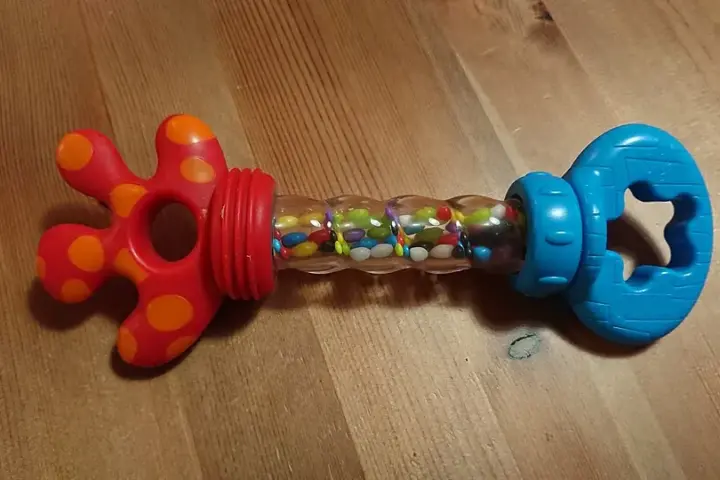
SHEIN Recalls Baby Rattle and Teether Sets Over Choking Hazard
SHEIN has recalled about 2,657 Baby Rattle and Teether Toy Sets because detachable parts can create a choking hazard for young children. The SHEIN baby rattle teether recall covers seven-piece pastel sets