Analog Quantum Simulation Verification: 51-Ion System Earns Certified Error Bounds
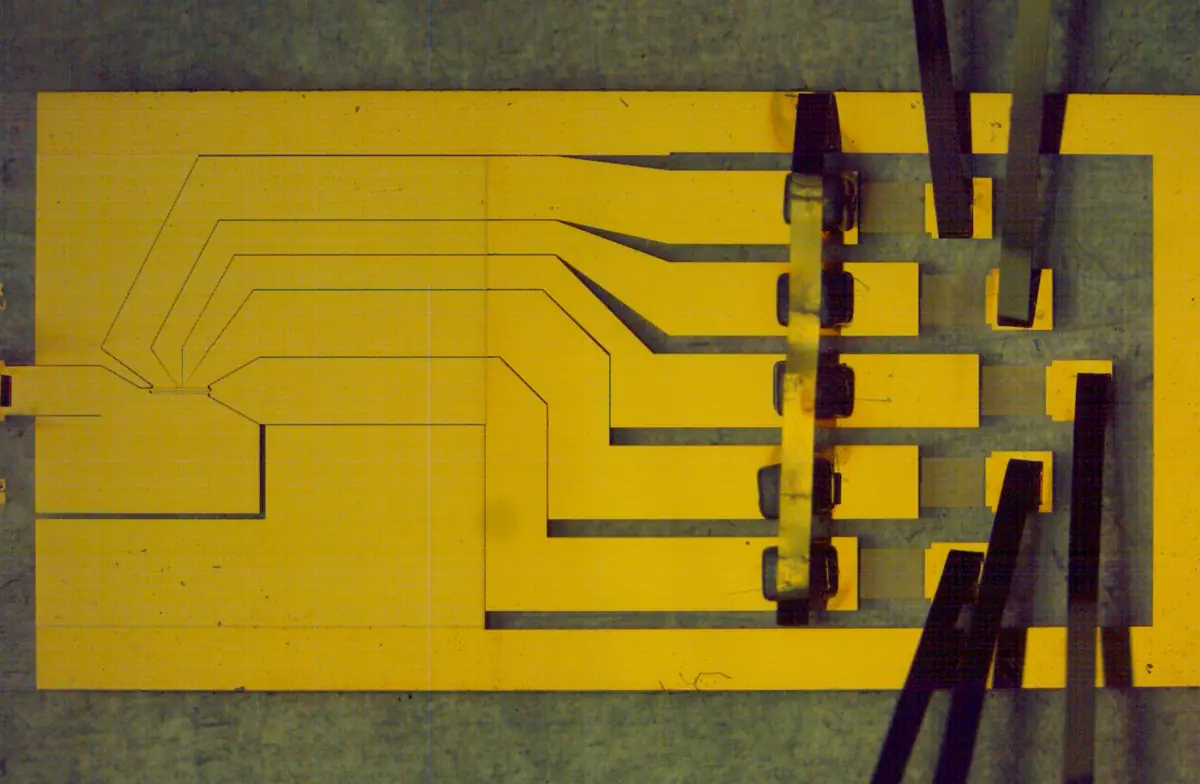
**Scientists Address analog quantum simulation‘s verification Challenge With Certified Error Margins on a 51-Ion System**
When a trapped-ion quantum simulator scales beyond roughly 50 ions, verifying its outputs with classical methods becomes increasingly difficult. That challenge has been one of the field’s most uncomfortable open problems — how to trust results from a system whose complexity strains conventional verification. A team of physicists in Munich and Innsbruck just published a method to substantially narrow that gap.
Published in Physical Review X on August 13, 2026 (Phys. Rev. X 16, 031037, Issue 3), researchers at TU Munich and the University of Innsbruck demonstrated a 51-ion trapped-ion quantum simulator verification technique that generates certified error margins directly from a machine’s experimental data. Theoretical work was co-led by Tristan Kraft (TU Munich and University of Innsbruck) and Peter Zoller (University of Innsbruck and IQOQI), with Barbara Kraus (TU Munich and MCQST). Experimental work was led by Manoj K. Joshi and Christian F. Roos at Innsbruck and IQOQI. The collaboration spans 15 authors across institutions in Austria, Germany, France, Italy, Denmark, and the Jülich research center. The team first confirmed the method on a 10-ion trapped-ion system, then scaled it to a 51-ion trapped-ion quantum simulator.
Drug discovery, materials science, and chemistry simulations are among the prospective applications for analog quantum simulators producing results that can be trusted. Without a way to certify those outputs, even a technically impressive quantum machine is a black box. It is useful only if you are willing to take its answers on faith. This method attaches verifiable confidence intervals to simulation outputs, making them usable for decisions in research settings.



Latest from News

Criblike Mattress Recall (XCD-001, XCD-002, MNCL-001): Amazon Suffocation Risk & Refund Steps
Criblike Mattress Recall (XCD-001, XCD-002, MNCL-001): Amazon Suffocation Risk & Refund Steps If you bought a white Pack and Play mattress or mini-crib mattress on Amazon between June and September 2025, check
Family Dollar $63 Million FTC Settlement: How the $40M Refund Fund and $20M Discounts Work
FTC and 17 states have secured a proposed $63 million stipulated order with Family Dollar over allegations that thousands of stores routinely charged higher prices at the register than displayed on shelves,
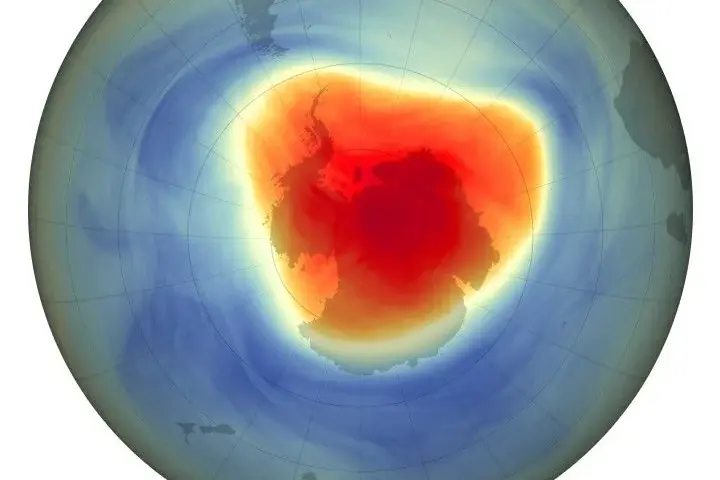
2026 Ozone Hole Largest in a Decade: NOAA & NASA Say Recovery on Track
2026 Ozone Hole Hit 10.5 Million Sq Mi, Largest in a Decade: Why NOAA Says Recovery Is Still on Track The largest Antarctic ozone hole in ten years just appeared in NOAA
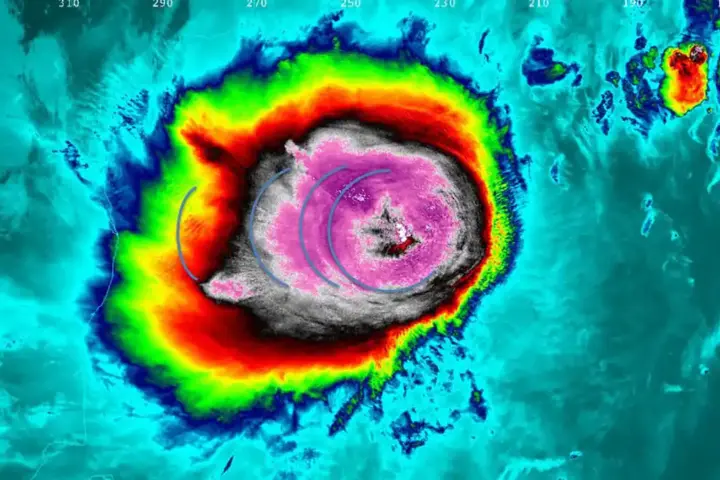
Cyclone Akvan Andhra Pradesh: IMD Tracks Very Severe Storm to Nellore-Tuni Coast by Nov 20
Cyclone Akvan Tracker: IMD Projects Very Severe Storm Crossing Between Nellore and Tuni by Nov. 20 Cyclone Akvan Andhra Pradesh — Coastal communities from Nellore to Visakhapatnam are watching a familiar pattern

Meta Fined $887 Million in Italy Over Facebook Android Photo Access
If you use the Facebook app on Android, you may have once tapped “allow” on a photo permission. Italy’s privacy regulator has now ruled that the permission went further than you knew.

Fresh To You Biscuit Sandwich Recall: 2,414 Units Pulled in Oregon and Washington Over Listeria Risk
If your office fridge holds a breakfast sandwich, a Fresh To You biscuit sandwich recall now covers 2,414 units distributed in Oregon and Washington. Fresh & Ready Foods LLC pulled the Sausage,
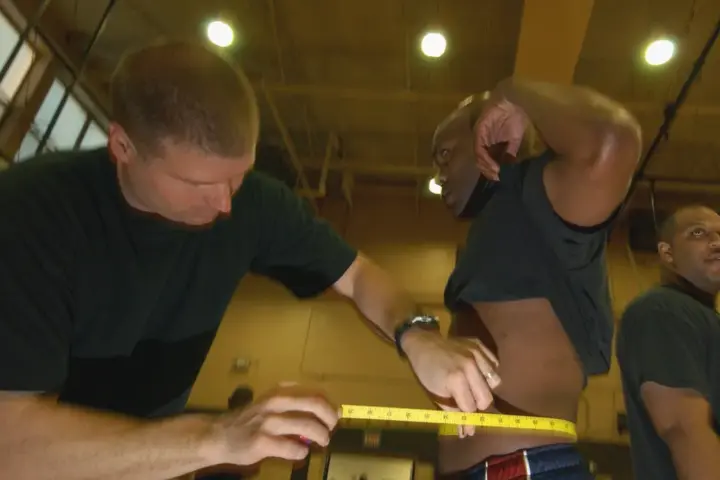
Cleveland Clinic Study of 20,486 Patients Ranks Best Options After Stopping GLP-1 Drugs
If you take a GLP-1 drug such as Ozempic, Wegovy, Mounjaro or Zepbound, the decision to stop can feel like the end of the road. Cost, insurance limits and side effects push
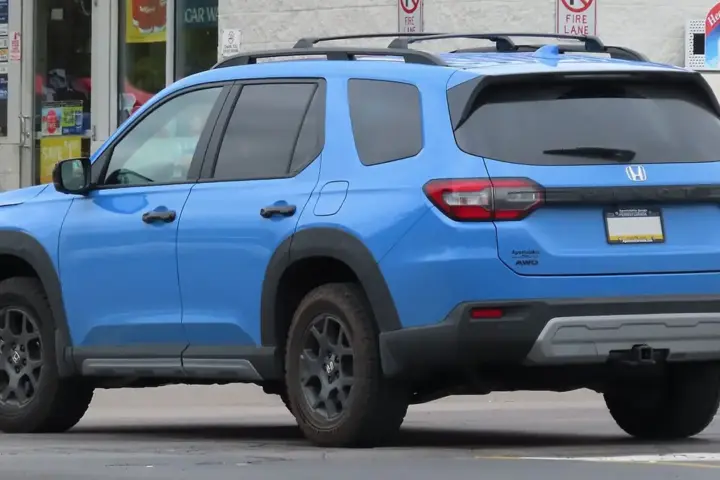
Honda Pilot Power Steering Recall 2026: 635,808 Vehicles Need a Free Dealer Fix
If you drive a 2023–2025 Honda Pilot, a 2022–2024 Acura MDX or a 2021–2025 Acura TLX, the steering in your vehicle may lose power assist. This is the Honda Pilot power steering
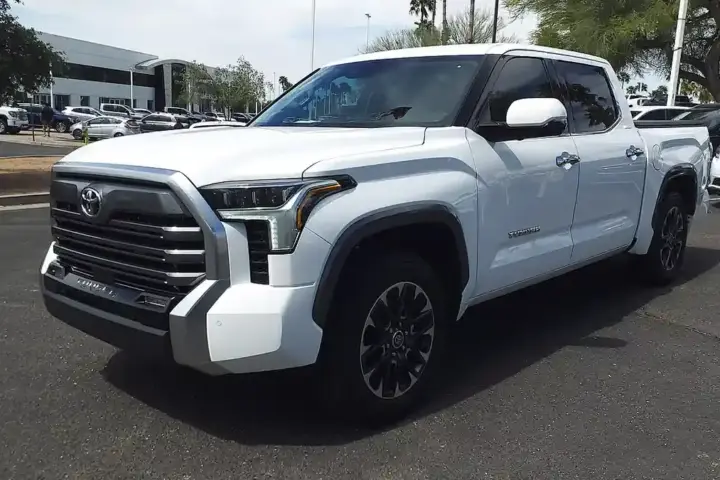
Toyota Tundra Camshaft Recall 2026: 62,000 Non-Hybrid Trucks Affected
If you own a non-hybrid Toyota Tundra from the 2022, 2023, 2025, or 2026 model year, your truck may be covered. Toyota announced the recall on November 13, 2026, covering about 62,000
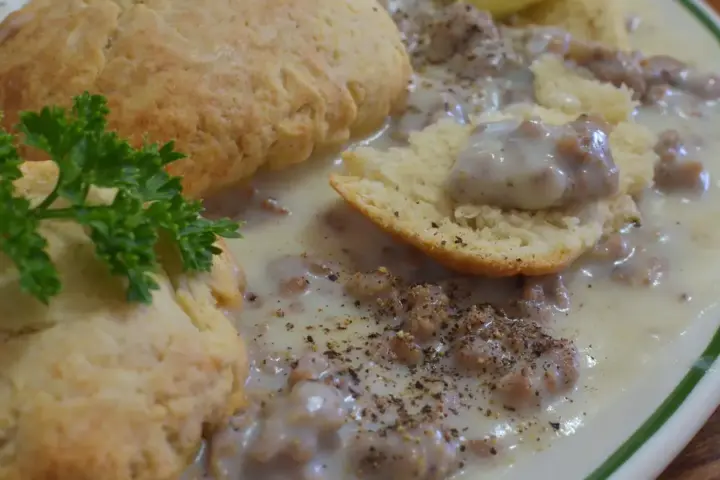
FSIS Biscuit Listeria Alert: Ready-to-Eat Meat Products Made With Recalled Biscuits
If you have refrigerated or frozen breakfast sandwiches or other ready-to-eat meat-and-biscuit products at home, check them now. The U.S. Department of Agriculture’s Food Safety and Inspection Service issued a public health
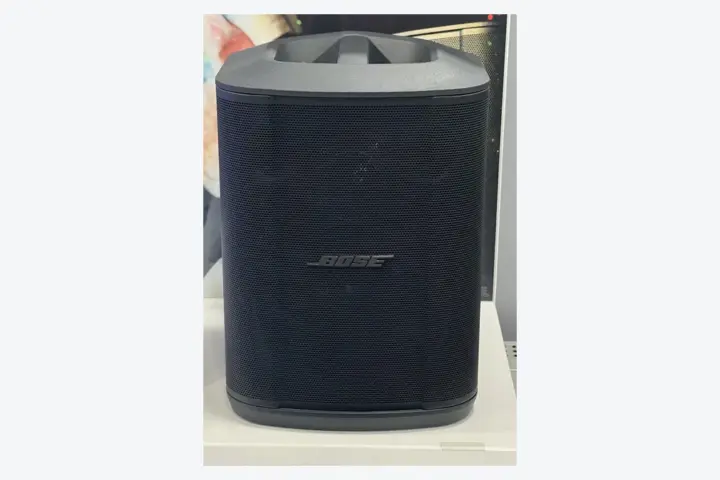
Bose S1 Pro Battery Recall: 670,000 Packs Recalled for Fire and Overheating Risk
If you own a Bose S1 Pro or S1 Pro+ speaker, or a spare battery pack, take action today. About 670,000 lithium-ion battery packs have been recalled in the United States and
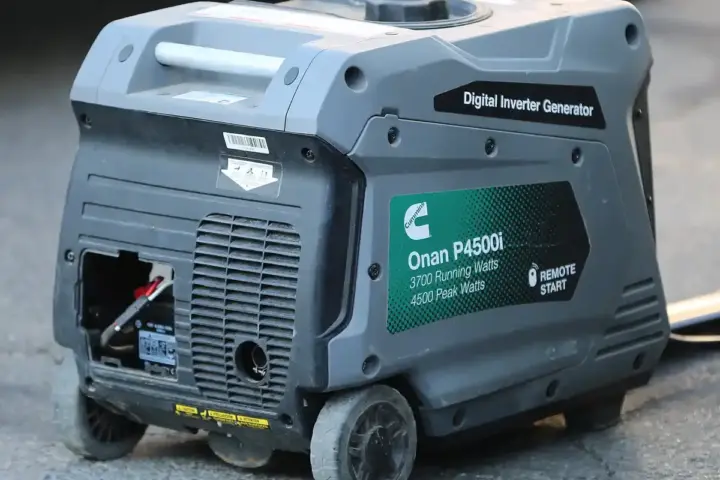
Cummins Onan P5000iDF Recall: Fuel Cap Ejection and Fire Hazard Fix
If you bought a Cummins Onan P5000iDF EFI dual-fuel generator between May 2025 and August 2026, stop using it now. A defect can cause gasoline vapors to build up pressure inside the

Family Farmstead Second Raw Cheddar Recall: All Cheddar Dated 10/16/27 or Earlier in 12 States
If you bought raw cheddar cheese from Family Farmstead Dairy in the last few weeks, check the package date before you reach for it. The Worcester, New York company has now recalled
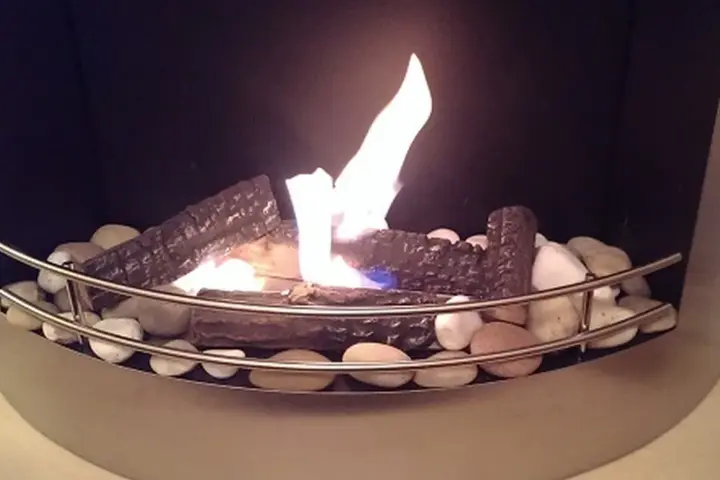
Sharper Image Fire Pit Recall: 265,000 Units Recalled After 4 Burn Injuries
If you bought a Sharper Image tabletop fire pit at Walmart, Target, Home Depot, or Amazon since 2023, check the base of the unit today. The Sharper Image fire pit recall covers
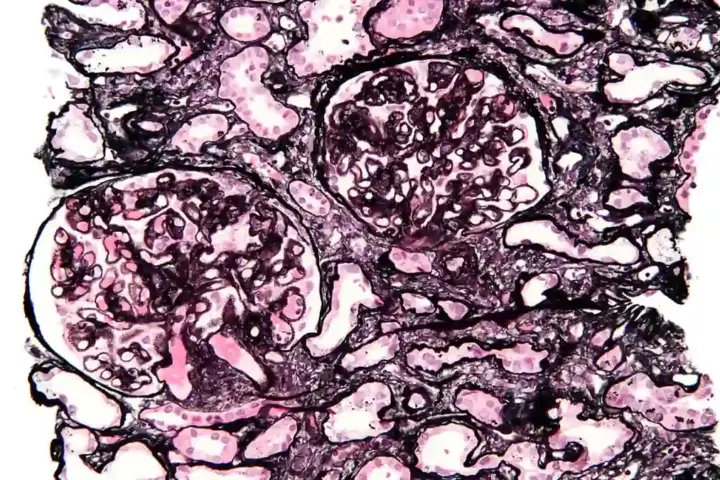
FDA Approves Gazyva (Obinutuzumab) for Primary Membranous Nephropathy as First Dedicated Treatment
If you have primary membranous nephropathy, your condition had no FDA-approved treatment made for it. Doctors used drugs cleared for other diseases, without PMN-specific trial data. That changed on November 13, 2026,