Karmactive Team
### STORY 2 — PRIORITY #2
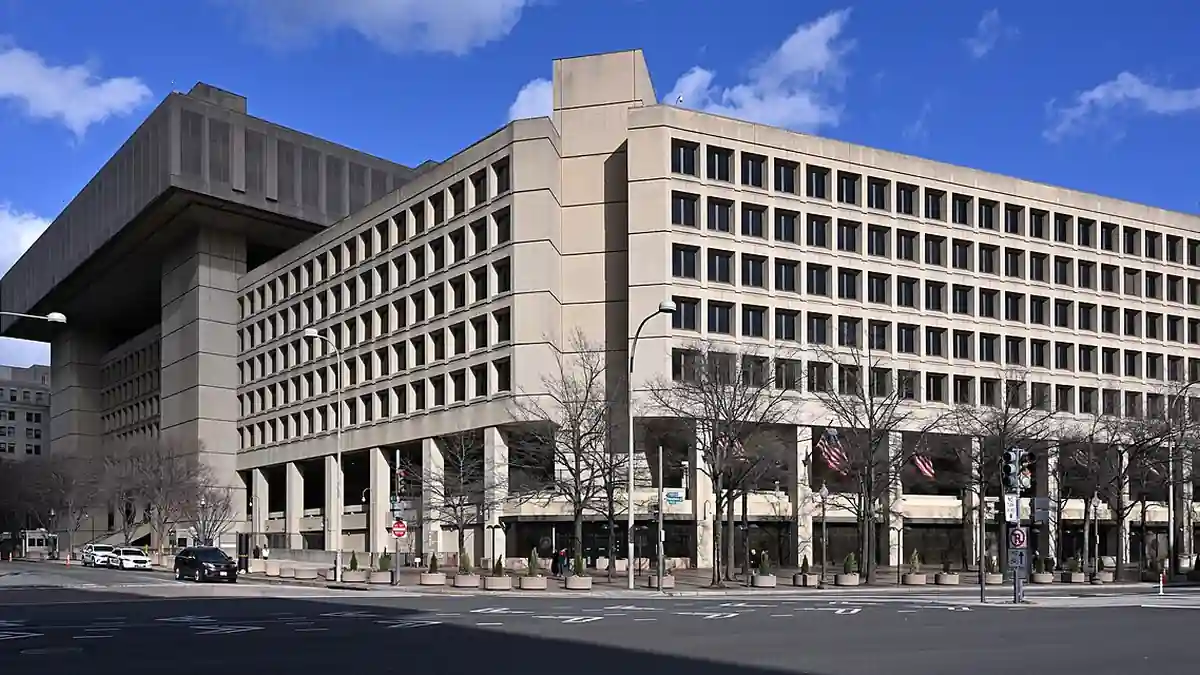
FBI Investigates Reported Breach of National Crime Database, cjis/ncic”>NCIC
People who rely on police background checks or law enforcement records may be wondering whether their information was exposed. As of November 21, the FBI was reported to be investigating an apparent intrusion involving its National Crime Information Center, or NCIC, a system used by federal, state and local agencies to share information including warrants and background checks. Public reporting has not established what information, if any, was accessed or taken.
CNN first reported the investigation, citing two people briefed on it; NBC News separately reported the apparent breach, also citing people briefed on the matter. The FBI had not publicly confirmed the incident in the material available for this draft. No public statement identified a suspected attacker, an entry method, or whether data was copied, changed, or disrupted. Those distinctions matter: an investigation into possible unauthorized access does not establish that criminal records were altered or that personal data was stolen.
For people concerned about a background check or an active case, there is no public evidence in the available reporting that individuals need to take a specific protective step. Agencies that use NCIC should rely on official FBI or state-system notices for operational guidance. Members of the public should be wary of unsolicited messages claiming to offer breach checks or compensation; the reported investigation has not announced a consumer notification process.
NCIC is a law-enforcement information system, not a public-facing database. Police and other authorized agencies use it to check records such as outstanding warrants and background information. The Stage 1 plan described a federated architecture involving local and state access points, but the reporting available for this draft does not establish that any particular state terminal, vendor, or central system was the entry point. It would be premature to describe a specific attack path.
The incident follows a separate FBIJobs.gov compromise reported in September. In that case, the FBI said it was investigating a criminal group’s claim about the jobs portal and alleged employee data exposure; the bureau said the point of breach was still undetermined. That earlier event is context, not evidence that the two incidents share a cause, attacker, or affected information.
The most important unanswered questions are whether investigators confirmed unauthorized access, what system or records were involved, whether information left the network, and whether any records were changed. Until authorities or the agency provide verified details, claims about millions of compromised records, deleted warrants, or public safety impacts should be treated as unconfirmed.
What does the NCIC contain, and who uses it?
The National Crime Information Center is an FBI-managed system that lets authorized law-enforcement agencies share and check information used in police work, including warrant and background-check records. It is not an open public database. The FBI has not publicly described what information may have been involved in the reported investigation.
The FBI had not publicly confirmed the reported incident by the time of writing. This account should be updated if the bureau or another responsible agency releases findings about access, data exposure, or service impact. For now, the scope and consequences remain unknown.