 Govind Tekale
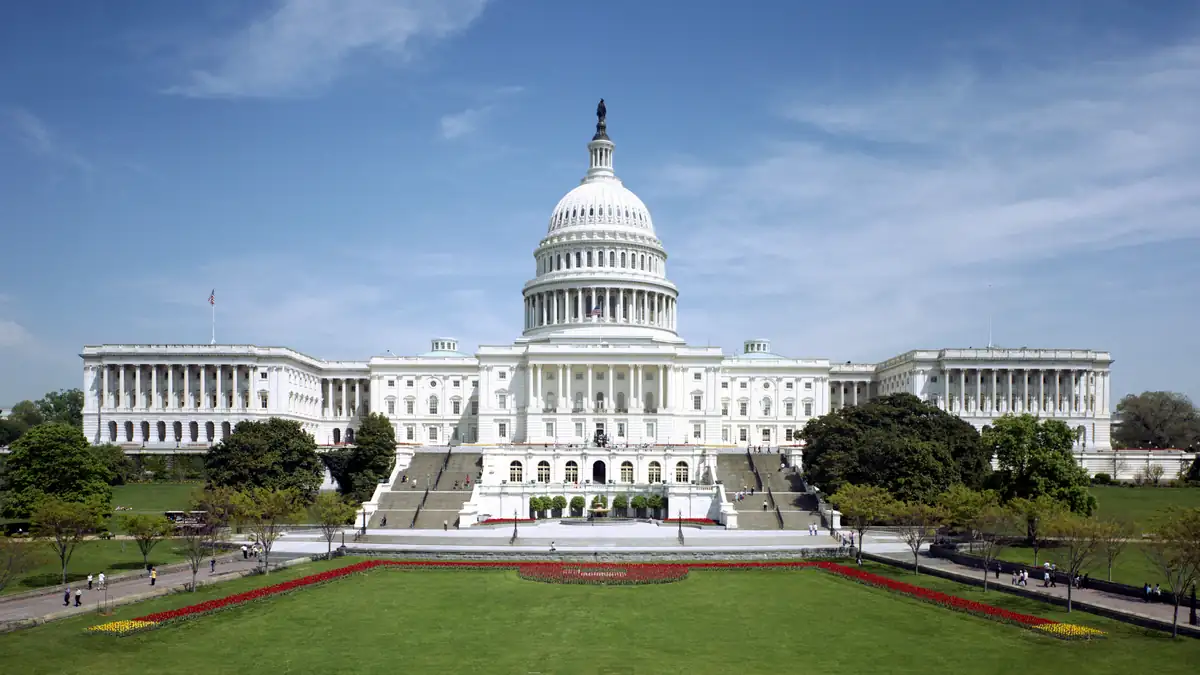
A federal appeals court has cast doubt on enforcement of the Pregnant Workers Fairness Act against Texas. The US House proxy voting ruling handed down by the Fifth Circuit Court of Appeals, sitting en banc, found that lawmakers broke the Constitution when they passed the 2022 omnibus bill by allowing members to vote remotely during the COVID-19 pandemic. It is a decision with consequences that stretch far beyond one piece of legislation.
The US Court of Appeals for the Fifth Circuit ruled that the House of Representatives violated Article I, Section 5 of the Constitution, known as the Quorum Clause, when it passed the Consolidated Appropriations Act, 2023 — Public Law 117-328. The court found the December 2022 vote lacked a physical quorum because members voted by proxy rather than in person. The majority opinion was authored by Judge Cory T. Wilson. The ruling affirmed an injunction issued by District Judge James Wesley Hendrix, which blocked the federal government from enforcing the Pregnant Workers Fairness Act against Texas. The Pregnant Workers Fairness Act, passed as part of that omnibus bill, requires employers to offer reasonable accommodations to pregnant workers.
For private-sector employers and employees, workplace accommodation rules under the Pregnant Workers Fairness Act remain active today. The federal government is enjoined from enforcing the PWFA against Texas. The ruling creates legal uncertainty about the statute’s enforcement against the state.
The Circuit Split and the Fate of the 2022 Omnibus
The Fifth Circuit’s reasoning puts it on a direct collision course with the D.C. Circuit. In 2021, the D.C. Circuit decided McCarthy v. Pelosi and upheld proxy voting as valid. The Fifth Circuit did not resolve whether that earlier decision was correct. The government may seek Supreme Court review, but review is discretionary. The Department of Justice can petition for a writ of certiorari — a formal request for review — within 90 days. The timeline for a definitive ruling is therefore tight. Meanwhile, the House ended proxy voting in January 2023, closing the door on a simple fix. That matters because the $1.7 trillion package contained dozens of unrelated legislative riders. The Electoral Count Reform Act, which overhauled the certification of presidential elections, was bundled into the same bill. The decision does not itself invalidate or enjoin other provisions of the omnibus. The practical reach of a potential Supreme Court ruling could extend well beyond workplace health rules and touch areas such as mobile driver’s license frameworks tied to federal funding.
The court’s constitutional rationale rests on how the law was enacted, not what it mandated. Because proxy voting ended in January 2023, Congress could enact new legislation, but the ruling did not decide the availability or effect of any reenactment.
Yes, the Pregnant Workers Fairness Act remains active law for private businesses nationwide. The Fifth Circuit’s decision only blocks the federal government from enforcing the statute against Texas state agencies. Until the Supreme Court issues a definitive ruling, private employers must continue granting reasonable pregnancy accommodations.
The government may seek Supreme Court review, and the outcome could shape how Congress conducts future emergency business. The constitutional stakes are as large as the bill itself.