 Tejal Somvanshi
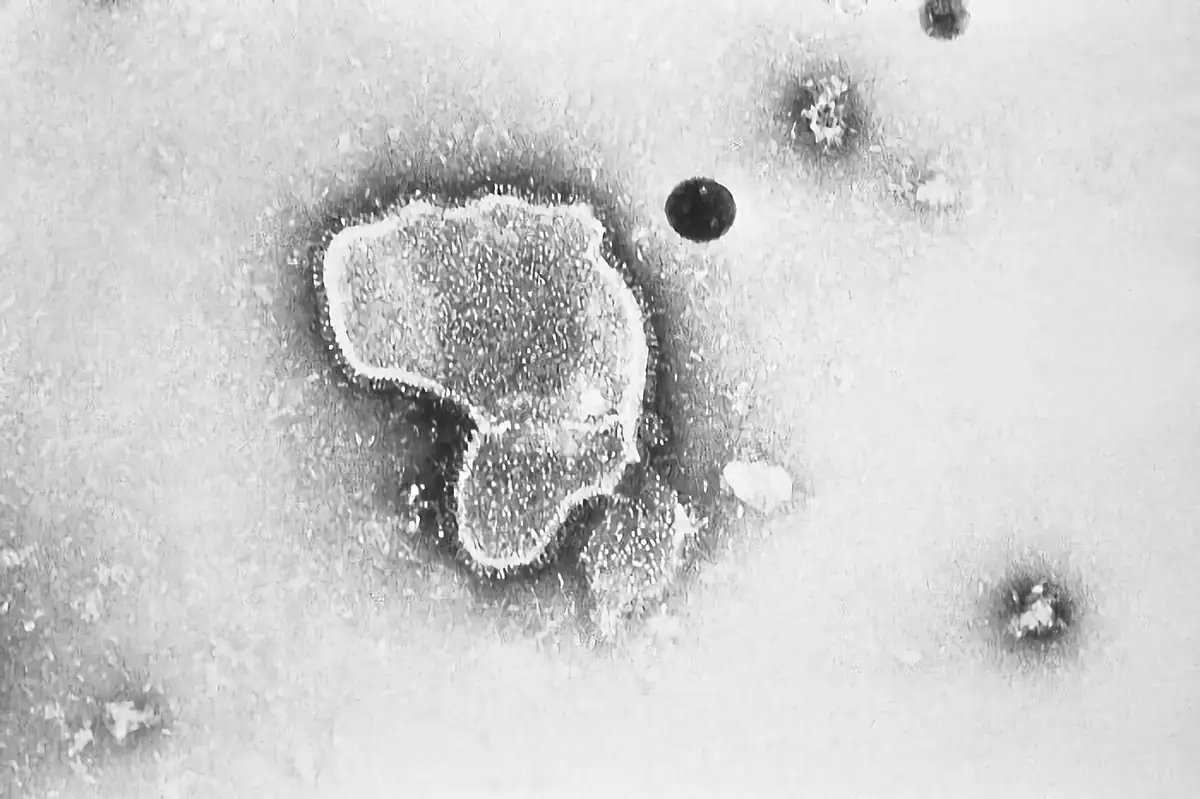
If a baby or an older adult in your family catches a respiratory illness this winter, age decides a lot. A new CDC respiratory virus report counts the children who died during the 2025–2026 season and tracks a fast-changing coronavirus variant. The figures show a wide protection gap. Most of the children who died had not received the vaccines or antibody doses that were available to them.
The Centers for Disease Control and Prevention published the findings on November 19, 2026, in the Morbidity and Mortality Weekly Report. Surveillance spanning July 2025 through June 2026 provisionally recorded 34 RSV-associated pediatric deaths reported by 35 jurisdictions. It also recorded 31 COVID-19-associated pediatric deaths reported by 43 jurisdictions. RSV activity began late, around the week ending November 29, 2025, and peaked during the week ending February 28, 2026. COVID-19 spread nationally with two peaks, in August 2025 and January 2026.
For families, the timing matters. RSV protection for infants works best when it is given before a child meets the virus, and the season arrived later than usual across most regions. For adults aged 65 and older, the report is a prompt to check vaccination status before holiday travel and gatherings. The CDC says staying current with the recommended RSV and COVID-19 vaccines lowers the risk of severe illness.
What CDC’s first full pediatric RSV and COVID-19 mortality registry found
The mortality numbers come from a newly established national surveillance system, and the counts are provisional. Some deaths are likely missed because reporting is still catching up. Thirty-one jurisdictions ran retrospective reviews for deaths that occurred between September 28, 2025, and June 30, 2026.
Among the 34 children who died with RSV, 19 (55.9%) had at least one underlying medical condition. Sixteen (47.1%) had been hospitalized. The median age at death was 1 year, and the range ran from 1 month to 17 years.
Among the 17 infants who were age-eligible for RSV prevention before they died, three had received a monoclonal antibody such as nirsevimab or clesrovimab. Eleven had received none, and receipt was unknown for three. Among the 31 children who died with COVID-19, 23 (74.2%) had at least one underlying condition and 12 (38.7%) had been hospitalized. The median age at death was 9 months, with a range of 1 month to 16 years. Of the 20 children old enough for a COVID-19 vaccine, none of the 18 with a known status had received one.
Age groups hit hardest by hospitalizations in 2025–2026
RSV was linked to an estimated 2.8 million to 5.8 million outpatient visits, 170,000 to 340,000 hospitalizations, and 9,900 to 25,000 deaths nationwide. The RSV-NET hospitalization rate was highest among infants under 12 months, at 790.2 per 100,000. Children aged 12 to 23 months followed at 611.9, and adults aged 75 and older at 352.1.
COVID-19 was linked to an estimated 4.1 million to 12.4 million illnesses, 830,000 to 2.3 million outpatient visits, 130,000 to 240,000 hospitalizations, and 14,000 to 41,000 deaths. The COVID-NET rate was highest among adults aged 75 and older, at 361.2 per 100,000. Infants under 6 months followed at 173.3, adults aged 65 to 74 at 111.4, and children aged 6 to 23 months at 67.3.
The overall RSV hospitalization rate for the year was 97.3 per 100,000. That is lower than the annual range of 99.02 to 132.9 seen from 2022 through 2025. For people under 18, the 2025–2026 rate was the lowest of the years compared.
Why CDC is watching the divergent BA.3.2 variant
Most SARS-CoV-2 viruses sequenced in the United States were descendants of JN.1. One exception was BA.3.2, a highly divergent variant. During the four weeks ending June 6, 2026, BA.3.2 reached 8% prevalence, with a 95% confidence interval of 4% to 17%. The variant carries 70 to 75 substitutions and deletions in the spike protein gene sequence relative to JN.1 and LP.8.1, a JN.1 descendant.
XFG was the only lineage to pass 50% prevalence during the surveillance year. A descendant, XFG.1.1, rose in prevalence in 2026. As of August 31, 2026, the CDC was tracking BA.3.2 through genomic surveillance.
RSV sequencing brought better news for prevention. No substitutions linked to reduced susceptibility to the monoclonal antibodies used in infants were found. In RSV-B, three changes in the nirsevimab binding site reflect viral evolution, while changes in the clesrovimab binding site stayed rare, below 1%.
Updated 2026–2027 vaccine and antibody guidance for families and seniors
The CDC recommends maternal vaccination with Abrysvo from September through January, or an infant monoclonal antibody, nirsevimab or clesrovimab, from October through March in most of the country. During 2025–2026, most jurisdictions extended antibody use into April to protect eligible infants. A single RSV vaccine dose is recommended for all adults aged 75 and older, and for adults aged 50 to 74 who are at increased risk.
The 2026–2027 COVID-19 vaccines are based on the JN.1-lineage XFG variant. The number and timing of doses vary by age, vaccination history, and immune status, so clinicians direct patients to current CDC guidance. Staying current matters most for adults aged 65 and older and for people at increased risk of severe illness.
The report covers one full season, and the death counts are provisional. Health departments that ran retrospective reviews may still add cases. For families, the guidance holds: ask a clinician about RSV protection for infants and older adults, and about the updated COVID-19 vaccine, before the winter peak arrives.