UK Allocation Round 8 Renewables Auction Sets an Initial Notional Budget of £1

UK households watching energy costs may wonder what a renewables auction with a £1 budget can actually buy. The UK government says the figure is an initial notional budget for each of Allocation Round 8’s (AR8) Pots 1–4, which cover solar and wind, not a cap on what it will spend on those pots. Pot 5 has a final £0 budget. Ministers plan to review anonymised wind and solar bids before setting final budgets for Pots 1–4, with affordability and consumer interests central to their decisions.
The Department for Energy Security and Net Zero announced the approach on November 19, 2026, during the final week of COP31. AR8 is part of the Contracts for Difference scheme, which supports renewable electricity projects through long-term contracts. The government says it will have visibility of anonymised bids across wind and solar technologies before deciding which projects to procure.
That changes when the budgets are set. Instead of confirming material budgets for Pots 1–4 before bids are in, ministers say they will decide the final levels after viewing the offers. They can increase them if bid prices are in consumers’ interests, with final decisions made in conjunction with HM Treasury. The announcement says the government will also consider where clean power is needed and is delivering grid infrastructure to carry it.
For households, the intended benefit is a larger supply of clean electricity and less reliance on gas markets, which can expose bills to fossil-fuel price swings. In the previous offshore wind round, the government secured a record amount of capacity at a price it says was 40% cheaper than building and operating new gas power plants. That comparison concerns the cost of new generation; it does not mean household bills will immediately fall by 40%.



Latest from Energy
Sonnen Australia Enters Administration After Shell Exit, Leaving Battery Customers Uncertain
Two announcements arriving within weeks of each other have drawn a sharp line through Australia’s battery storage sector—one that marks the collapse of a residential pioneer, the other a major international player

Eyre Peninsula Blackout: Storm Collapses Transmission Towers, 24,000 Homes Without Power
A violent supercell storm tore through South Australia on Wednesday night, flattening multiple 25 to 30-metre steel transmission towers and plunging around 24,000 homes and businesses across the Eyre Peninsula into darkness.
Heron Power Says Intersect Has Reserved 1.5 GW of California-Made Converters
If you build solar farms or plan power for data centers, the hardware that turns panel power into grid power has to be secured early. Heron Power says Intersect has reserved 1.5
SSE to Close Atwick Gas Storage Site From Summer 2027 Unless Ministers Act
Will Britain have enough gas in store when the cold arrives? That question got harder on 18 November 2026. SSE has said it plans to close a major storage site on the
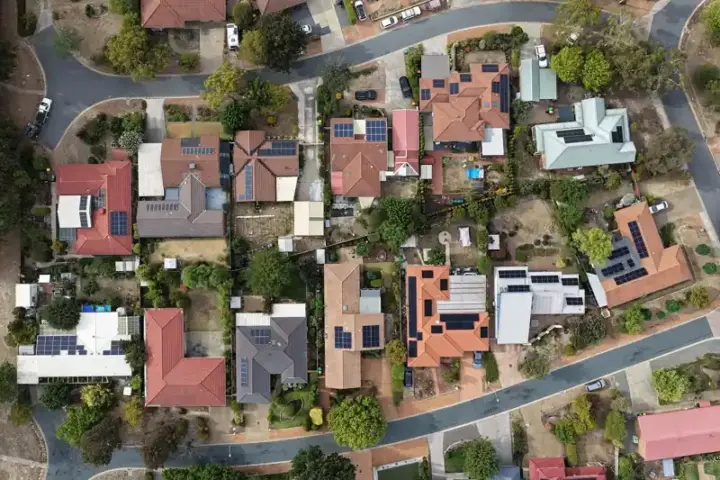
Australia’s Clean Energy Regulator Suspends Solar Power Nation From Rebate Scheme
If you paid Solar Power Nation for a solar installation and nothing has been arranged, here is what you need to know. Australia’s Clean Energy Regulator has permanently suspended the company from

Solar Generator for Whole House Backup: 240V Systems, Transfer Switches, and Sizing Guide
The Grid Is Not as Reliable as You Think The U.S. grid lost more than 1.2 billion customer-hours of power in 2023, according to the EIA. That number has climbed every year

Floating Solar on US Reservoirs: USACE NWP 52 Permits, Evaporation Savings, and Mooring Engineering
Floating Solar on U.S. Reservoirs: The Complete USACE NWP 52 Permitting and Engineering Guide A floating solar project that uses the wrong permitting category can lose 12–18 months to individual USACE review.
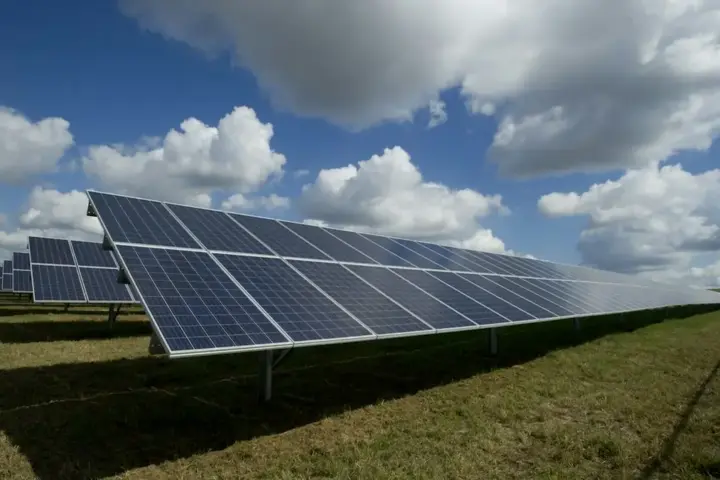
Perovskite Solar Cells Hit 33.9% Efficiency — When Will They Reach Your Roof?
Perovskite Solar Cells Commercialization: What the 33.9% Record Means for Buyers Today Certified lab efficiency records for perovskite-silicon tandem solar cells have passed 33.9%. If you are waiting to install solar until

30% Battery Storage Tax Credit: Section 25D Rules, Form 5695 Lines, and 2032 Deadline
Solar Battery Tax Credit Guide: IRC Section 25D Rules, Form 5695, and Deadlines A 30% solar battery tax credit is available right now to American homeowners who install qualifying energy storage. Most
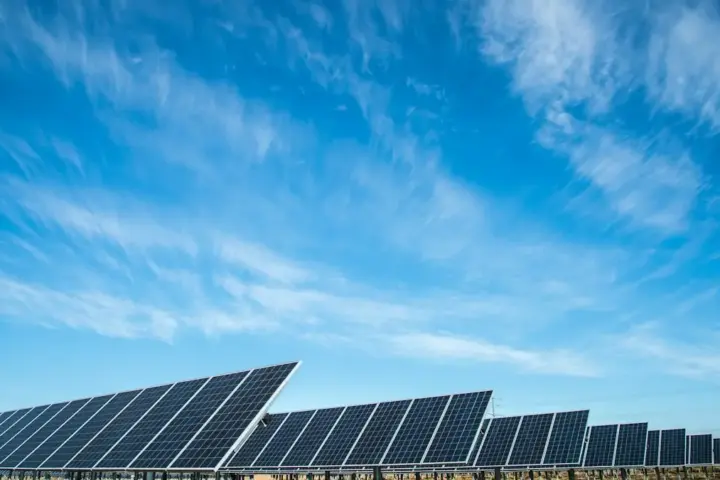
SB 868 Balcony Solar California: What Renters Can Install Before the Law Passes
Plug-In Solar California: Is Balcony Solar Legal Under SB 868? California renters generate a small fraction of the state’s rooftop solar electricity, yet they make up roughly 45% of all California households.
Tesla Powerwall heat pump optimization goes live in Europe
If you have a Tesla Powerwall 3 or 3P and a heat pump in Europe, a new software feature may change how it runs. Tesla Powerwall heat pump optimization is live in

Trump Iran War Pause Before Midterms: What It Means for Voters and Oil Prices
Trump Iran War Pause Midterms: What Voters and Oil Buyers Should Know President Donald Trump has said the United States will not attack Iran before the midterm elections on November 3. He

Ford Fathom EV home backup system cuts bidirectional charging hardware costs by 60 percent
American homeowners have long faced a stark choice: spend $10,000 or more on a dedicated home battery, or absorb $6,515 in wall hardware just to enable bidirectional charging on an F-150 Lightning.

Maui Flash Flood Warning Expires — Rockfalls on Hāna Highway, Kīpahulu Evacuation Lifted
The National Weather Service’s Flash Flood Warning for East Maui expired at 5:45 PM HST on October 29, 2026, and the countywide Flood Watch also expired that evening, after heavy rain triggered
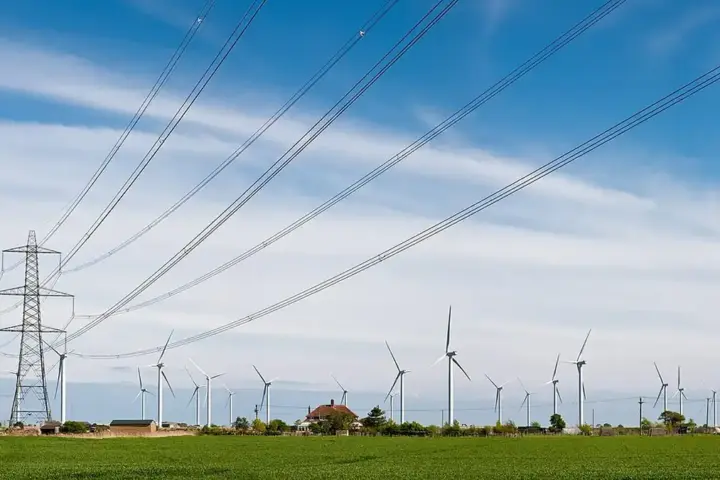
How Wind Turbines Repay Their Carbon Footprint — Then the Viral Claims They Face
Wind turbines require steel, concrete, diesel and energy before operation. Here is how lifecycle carbon and energy payback work—and what viral claims miss.