 Govind Tekale
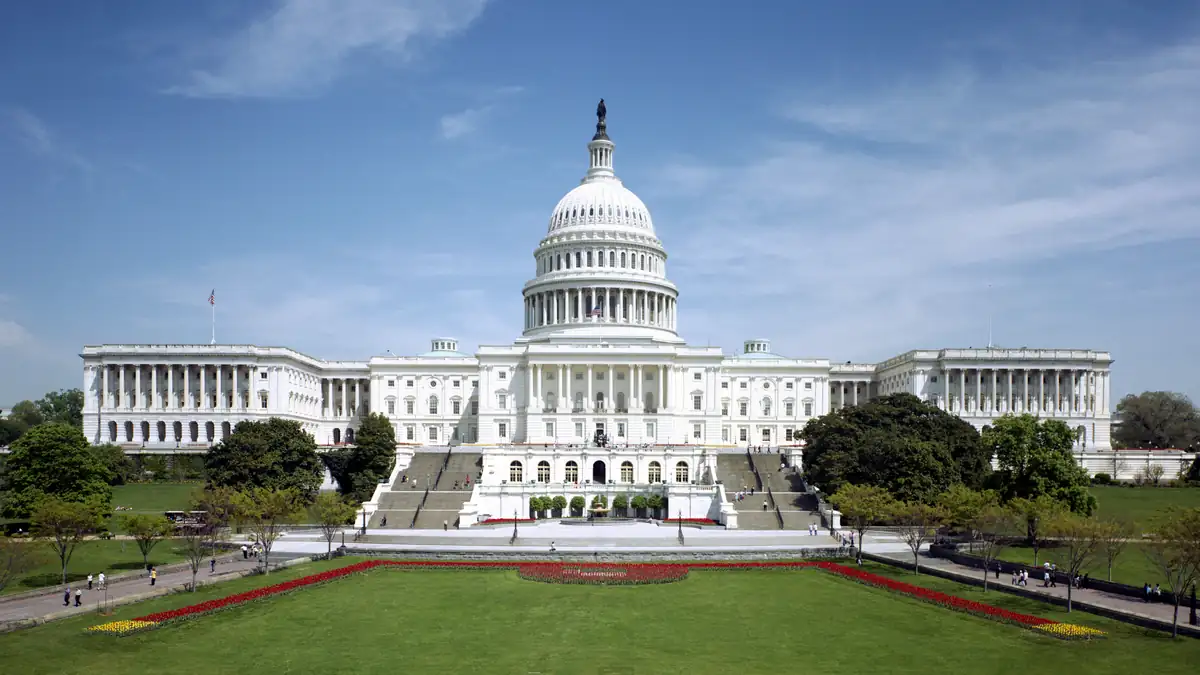
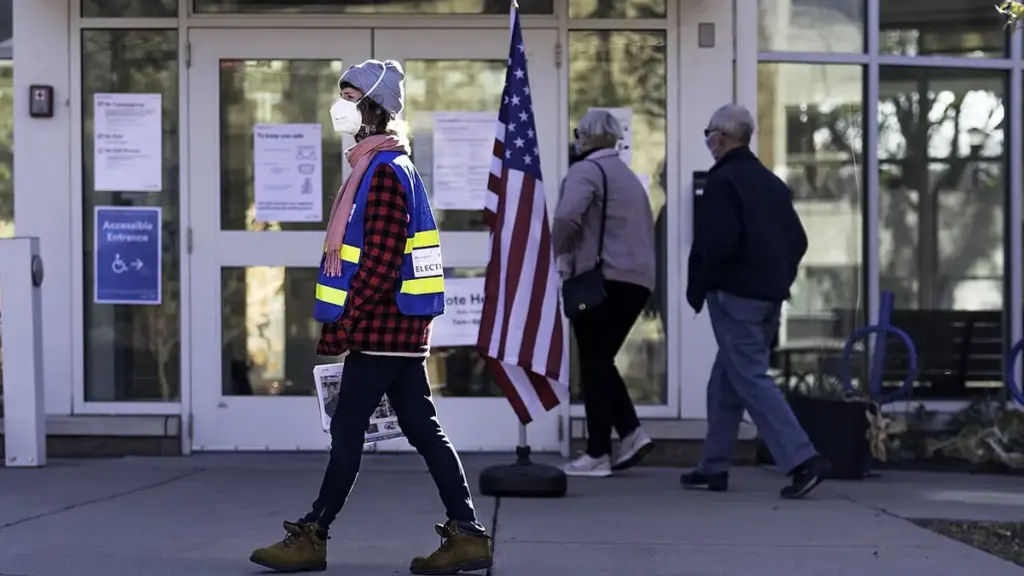
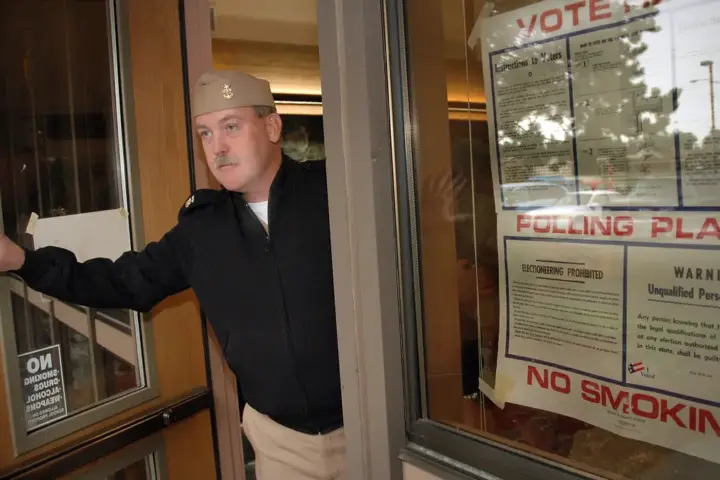
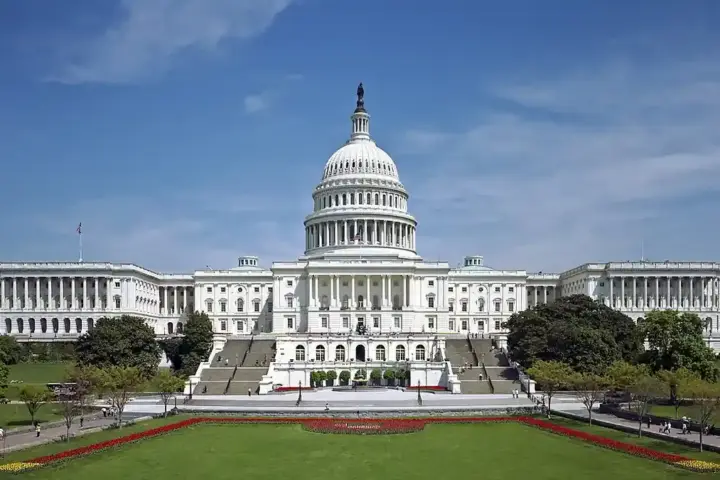
The 2026 midterms delivered Democratic majorities in both the House and Senate, according to contemporaneous coverage from the Associated Press, NBC News, The New York Times, and Reuters. For the households that have watched electricity bills climb over the past several years, the most practical question is not about party control in the abstract — it is about what a changed Congress and a handful of state utility-commission results can actually do about those bills.
The honest answer is: more than the previous Congress could, but considerably less than a campaign narrative might suggest. Understanding where the real leverage lies requires separating federal from state authority, and legislative power from executive power.
What Changed at the State Level, Where Bills Are Actually Set
Retail electricity rates in the United States are set primarily by state regulators, not by Congress, though the federal government — through the Federal Energy Regulatory Commission — governs wholesale electricity markets and interstate transmission. That is why the state-level results, particularly in Georgia and Michigan, may carry more immediate weight for household costs than anything moving through Washington.
In Georgia, Democrats won seats on the Public Service Commission beginning with 2025 special elections, and the 2026 results extended that progress to deliver a Democratic majority on the body, according to multiple local outlet reports. The PSC approves rate cases, capital-cost recovery filings, and resource plans for the state’s large investor-owned utilities. A newly constituted commission cannot unilaterally reverse prior decisions or guarantee lower bills, but it does influence which future rate requests it approves, what conditions it attaches, and how it weighs consumer interests against utility shareholder returns in upcoming dockets. In a state where electricity costs have climbed over recent years, that shift in the room where those decisions are made is not trivial.
In Michigan, voters passed Proposal 2, a campaign-finance measure that restricts certain political contributions. Because utility companies and affiliated trade groups are among the largest donors to state-level campaigns in Michigan and several other states, the measure’s backers argue it could reduce the degree to which campaign spending shapes the composition of regulatory bodies over time. The law is subject to implementation and may face legal challenge; it does not alter rates directly. But supporters contend that less politically entangled commissioners would, over successive appointments, produce rate proceedings that give greater independent weight to consumer interests.
Can a Democratic Congress force through major climate or utility legislation on its own?
Not without agreement from the White House or sufficient Republican support to override a veto. The Constitution requires that any bill pass both chambers and either receive a presidential signature or clear a veto override — which requires two-thirds of members voting in each chamber, with a quorum present. That threshold is rarely met. What a congressional majority can do is advance legislation that reaches bipartisan agreement, exercise oversight authority over federal agencies, shape appropriations that fund clean-energy programs and regulatory bodies, and influence confirmations at bodies such as the Federal Energy Regulatory Commission. Those are consequential tools, but they are tools of influence and negotiation, not unilateral control.
The scale of what is pending in the utility sector makes those federal tools more significant than they might sound in quieter times. According to PowerLines, utilities have requested $23.1 billion in rate increases through the third quarter of 2026. Combined with the $31 billion in rate-increase requests tracked during 2025, the two-year figure reaches roughly $54.1 billion in requested increases — a figure derived by combining PowerLines’ separate annual totals — money that, if approved by state commissions, moves from customer bills to utility balance sheets. Congressional oversight committees can scrutinize how that capital-spending wave is being justified, particularly the portions tied to grid upgrades driven by surging demand from artificial-intelligence data centers.
Large technology companies are building power-intensive facilities at a pace that industry analysts and utility filings indicate is reshaping resource plans from Georgia to the Pacific Northwest. Federal jurisdiction over grid reliability standards, transmission planning, and the terms on which large new loads interconnect gives an active Congress real purchase over how that demand growth is managed and who bears the cost. The question is whether the new majority chooses to press those levers, and whether it can reach the agreement needed to move legislation rather than simply holding hearings.
PEER, an environmental watchdog and advocacy organization, published a November 4 statement titled “The 2026 Midterms and the Path Forward,” noting that the results open a window for stronger federal environmental enforcement and more assertive agency oversight — areas where investigative and oversight actions can have relatively rapid practical effect without requiring the president’s signature on new legislation.
None of this happens automatically or quickly. Oversight investigations take months to build a record. Appropriations negotiations involve competing priorities. State commissioners operate on independent statutory authority, and even a commission with a new majority works through formal dockets that move on administrative calendars. What voters changed on Election Day was the composition of the bodies making these decisions — in Washington, in Atlanta, and in Lansing. What those bodies do with the authority they now hold is the question the next two years will answer.