California homeowners may use “net metering” as a catch-all term for solar export rules. California’s newer framework is the Net Billing Tariff. The California Public Utilities Commission established it for customers submitting a net-energy-metering interconnection application on or after 15 April 2023. Customers who submitted an application by 14 April 2023 are not affected by that decision. The application date is therefore an important first check for a homeowner trying to identify which program applies. The Net Billing Tariff is California-specific. It does not establish rules for customers outside the state.
What the Net Billing Tariff Replaced
The Net Billing Tariff, often called NEM 3.0, was established under California Public Utilities Commission Decision D.22-12-056. It succeeded the earlier Net Energy Metering 2.0 program for applications submitted on or after the cutoff. NEM 3.0 is a commonly used nickname rather than the CPUC’s official name. CPUC states that the tariff is intended to promote grid reliability, incentivize solar and battery storage, and control electricity costs for utility customers. Those are the commission’s stated policy goals. They are not a promise of a specific financial result for any household. Homeowners should use CPUC and their own utility’s current materials when assessing an individual solar proposal.
Who the April 2023 Cutoff Affects
The cutoff date matters most for homeowners trying to work out which rules apply to them. Customers who submitted a Net Energy Metering application by 14 April 2023 are not affected by the Net Billing Tariff. They keep their prior terms. Customers submitting an application on or after 15 April 2023 fall under the newer tariff. Two nearby households can therefore be under different compensation structures even when their systems look similar. A homeowner unsure which program applies should check the date on their original application and ask their utility to confirm the applicable tariff.
What the CPUC Decision Says
Decision D.22-12-056 established the Net Billing Tariff as the successor to NEM 2.0. CPUC says the new tariff is expected to promote grid reliability, incentivize solar and battery storage, and control electricity costs for utility customers. The commission does not state one universal export price, battery price, or payback period for every household on its overview page. A solar proposal must therefore be assessed using the tariff and account information that applies to the individual utility customer.
Where Homeowners Can Check Their Terms
A homeowner considering home solar or battery storage should start with the CPUC’s Net Billing Tariff materials and their own utility’s current tariff. The decision’s April 2023 cutoff is the key starting point. The information applicable to one customer may not apply to another customer who filed at a different time or is served by a different utility. Utility-specific documents are more useful than a generic estimate when comparing a proposal.
In short, the Net Billing Tariff is California’s framework for new qualifying solar applications submitted on or after 15 April 2023. It was established under CPUC Decision D.22-12-056. Customers who submitted a Net Energy Metering application by 14 April 2023 are not affected by that decision. CPUC states its goals as grid reliability, solar-and-battery-storage incentives, and electricity-cost control.
\
\ .karmactive-push-footer { max-width: 720px; margin: 32px auto 0; padding: 22px 24px; border-radius: 14px; background: \#f0f4f8; border: 1px solid \#d8e4ea; text-align: center; font-family: \-apple-system, BlinkMacSystemFont, “Segoe UI”, Roboto, sans-serif; } .karmactive-push-footer h4 { margin: 0 0 6px; font-size: 1.15rem; color: \#102a43; } .karmactive-push-footer p { margin: 0 0 16px; font-size: 0.92rem; color: \#4a5568; line-height: 1.5; } .karmactive-push-actions { display: flex; gap: 10px; justify-content: center; flex-wrap: wrap; } .karmactive-push-btn { display: inline-flex; align-items: center; gap: 6px; min-height: 44px; padding: 10px 20px; border: 0; border-radius: 999px; font-size: 0.92rem; font-weight: 700; cursor: pointer; text-decoration: none; transition: transform 0.15s ease, box-shadow 0.15s ease; } .karmactive-push-btn:hover { transform: translateY(-2px); } .karmactive-push-btn:active { transform: translateY(0); } .karmactive-push-btn.primary { background: \#63b89c; color: \#082032; box-shadow: 0 6px 16px rgba(99, 184, 156, 0.35); } .karmactive-push-btn.secondary { background: \#fff; color: \#102a43; border: 1.5px solid \#d8e4ea; } .karmactive-push-status { margin-top: 12px; font-size: 0.84rem; color: \#5a6e7e; min-height: 1.2em; } @media (max-width: 600px) { .karmactive-push-footer { margin-left: 0; margin-right: 0; border-radius: 10px; padding: 18px 16px; } .karmactive-push-actions { flex-direction: column; } .karmactive-push-btn { width: 100%; justify-content: center; } } \
\
\
\
\
🔔 Enable push notifications
\
Subscribe by email
\
\
\
\
\
(function () {
var btn \= document.getElementById(‘karmactivePushBtn’);
var status \= document.getElementById(‘karmactivePushStatus’);
if (\!btn) return;
function setStatus(msg) {
if (status) status.textContent \= msg;
}
function fallback() {
setStatus(‘Push notifications are not supported in this browser. Try the email option above.’);
}
btn.addEventListener(‘click’, function () {
try {
/\* OneSignal v16+ deferred SDK \*/
if (window.OneSignalDeferred && Array.isArray(window.OneSignalDeferred)) {
setStatus(‘Opening notification prompt…’);
window.OneSignalDeferred.push(function (OneSignal) {
if (OneSignal && OneSignal.Notifications && typeof OneSignal.Notifications.requestPermission \=== ‘function’) {
OneSignal.Notifications.requestPermission()
.then(function () {
setStatus(‘You will receive push notifications when new articles are published.’);
})
.catch(fallback);
} else {
fallback();
}
});
return;
}
/\* OneSignal direct object \*/
if (window.OneSignal && OneSignal.Notifications && typeof OneSignal.Notifications.requestPermission \=== ‘function’) {
OneSignal.Notifications.requestPermission()
.then(function () {
setStatus(‘You will receive push notifications when new articles are published.’);
})
.catch(fallback);
return;
}
/\* Older OneSignal SDK \*/
if (window.OneSignal && typeof OneSignal.push \=== ‘function’) {
setStatus(‘Opening notification prompt…’);
OneSignal.push(function () {
if (typeof OneSignal.showSlidedownPrompt \=== ‘function’) {
OneSignal.showSlidedownPrompt();
} else {
fallback();
}
});
return;
}
fallback();
} catch (e) {
fallback();
}
});
})();
\


Latest from Energy
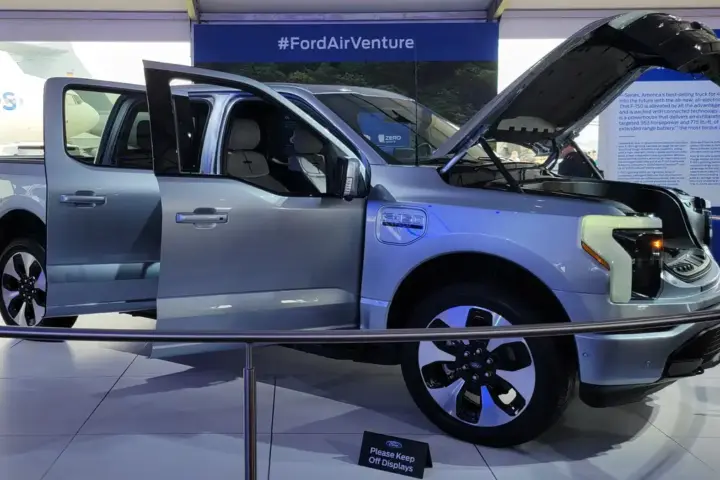
Ford F-150 Lightning Loses More Than Half Its Value in Three Years, New Data Shows

The EV that charges from 30 to 80% in under ten minutes is heading to Australia — Avatr has named its local distributor

Riyadh airport attack and oil prices: What US entry could change

California diesel prices 2026: $8.08 a gallon after a dip

Hormuz Tanker Attack: Why Big Oil Can Win When Crude Prices Surge

Russian Diesel Sanctions Waiver: OFAC License 135 Opens US Imports Until April 2027
Ampol buys Evie Networks for A$225 million as EV ‘rage anxiety’ grows over charger queues

Marathon Petroleum Rose 55.1% as Refiners Led Q3 Energy Stocks
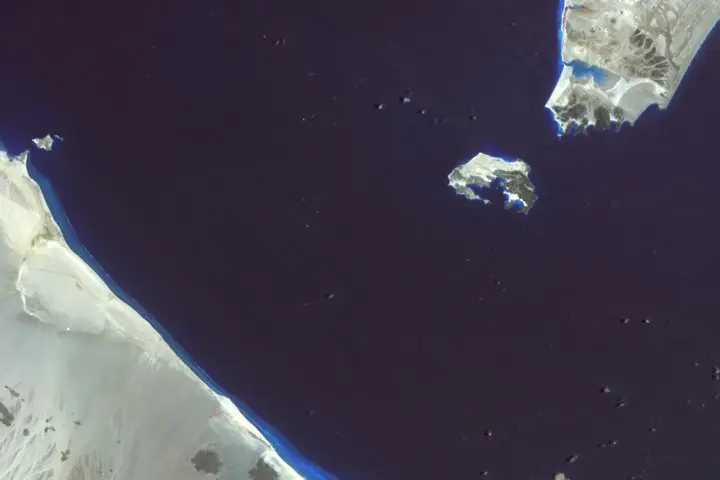
Yemen Says It Retook Mocha From the Houthis: Why the Red Sea Port Matters

DOE Commits $4.2 Billion to Nuclear Expansion at Three Ohio and Pennsylvania Plants
“E85 Is 59% Cheaper at the Pump” — But Here’s Why Your Real Savings Per Gallon Tell a Different Story
“$3.94 Record”: Texas Gas Prices Hit Most Expensive September Ever — Crude Oil and Iran Conflict to Blame
G7 Releases 100 Million Barrels as Trump Drops Diesel Export Ban — But Winter Buffer Is Now Thin

Cheyenne’s Data Center Boom: Who Really Pays the Price?