Karmactive Team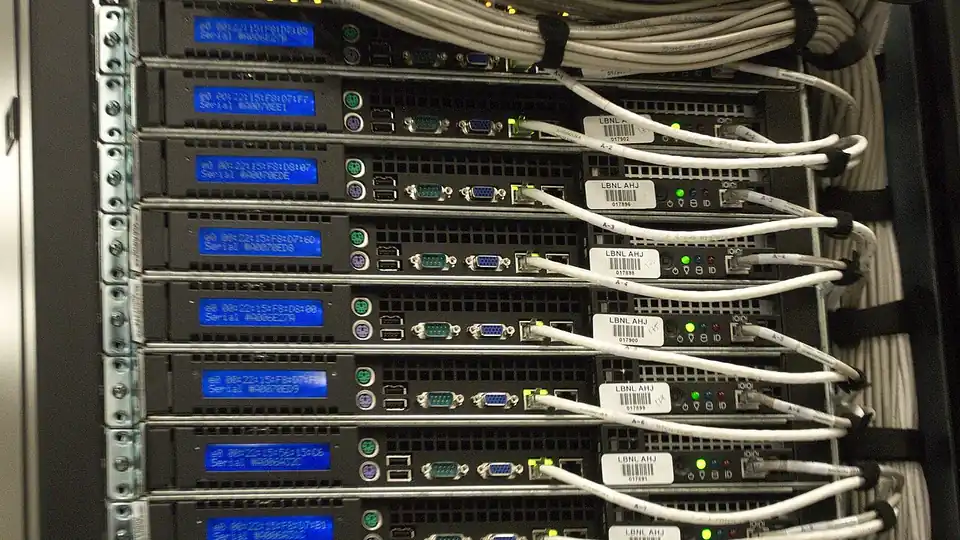
Global e-waste statistics cover electronics as a whole rather than publishing a separate total for data centers or AI hardware. That limits what procurement and sustainability teams can verify when assessing technology-waste claims. The difference between extending the use of hardware and recycling its materials also matters for environmental reporting. A sector-specific record would make it easier to distinguish estimates from measured outcomes.
How Much E-Waste the World Already Generates
The Global E-waste Monitor 2024, published by the UN Institute for Training and Research and the International Telecommunication Union, found that the world generated 62 million tonnes of electronic waste in 2022. The monitor reported that 22.3% of that total was documented as formally collected and recycled through established channels. It does not characterize what happens to the remainder. The report projects that the global total will reach 82 million tonnes by 2030. These figures cover electronic and electrical equipment worldwide. They are not broken down by sector, so there is no separate line for data centers, cloud infrastructure, or AI hardware.
Why AI Data-Center Waste Isn’t Tracked Separately
The Global E-waste Monitor does not separately report AI data-center hardware. This makes it impossible to state how much of the 62-million-tonne 2022 total came from data centers specifically. Any claim assigning a precise tonnage to AI hardware alone goes beyond what current global statistics support. Until a sector-specific breakdown exists, AI-specific e-waste figures should be identified as estimates rather than verified global counts.
Refurbishment and Recycling Are Not the Same Process
Hardware that still works can be refurbished and resold, or reused in a different role, extending its working life. Recycling is a different process entirely. It breaks equipment down to recover materials such as metals and plastics, after a device can no longer function as originally built. A server described as “retired” may be heading toward either outcome. Press materials do not always specify which one applies. For a buyer trying to assess a cloud provider’s environmental practices, that distinction matters directly. Refurbishment keeps a working product in use and delays the point at which it becomes waste. Recycling only recovers materials once a product’s working life has already ended. Treating the two terms as interchangeable makes it harder to judge how much real waste reduction a company’s practices achieve. A device sold as refurbished is still in active use, while a recycled device has already reached the end of its functional life.
What EU Ecodesign Rules Require, and What Buyers Can Ask
The European Commission lists ecodesign requirements for servers and data-storage products sold on the EU market, published on its official product pages. These are regulatory requirements covering products placed on the EU market, not a global mandate for every data-center operator. The requirements sit within the Commission’s wider circular economy action plan. A data center operating outside the EU is not automatically bound by these specific ecodesign rules. Equipment it purchases may still have been designed to meet them for other markets. Procurement teams and consumers who want clarity can ask a cloud provider directly whether retired hardware is refurbished, resold, or recycled. They can also ask whether that split is documented. Asking for evidence of ecodesign compliance on EU-market equipment is a concrete, checkable question, rather than relying on general sustainability language. These questions apply equally to equipment bought for on-premises data centers and for cloud infrastructure housed in third-party facilities.
In short, the world generated 62 million tonnes of e-waste in 2022. Only 22.3% of it was formally recycled, and the total is projected to reach 82 million tonnes by 2030. These figures do not separate AI data-center hardware from the rest of global electronics. Refurbishment and material recycling are different processes with different environmental outcomes. The EU requires ecodesign standards for servers and data-storage products sold in its market, as part of a broader circular economy policy.
\
\ .karmactive-push-footer { max-width: 720px; margin: 32px auto 0; padding: 22px 24px; border-radius: 14px; background: \#f0f4f8; border: 1px solid \#d8e4ea; text-align: center; font-family: \-apple-system, BlinkMacSystemFont, “Segoe UI”, Roboto, sans-serif; } .karmactive-push-footer h4 { margin: 0 0 6px; font-size: 1.15rem; color: \#102a43; } .karmactive-push-footer p { margin: 0 0 16px; font-size: 0.92rem; color: \#4a5568; line-height: 1.5; } .karmactive-push-actions { display: flex; gap: 10px; justify-content: center; flex-wrap: wrap; } .karmactive-push-btn { display: inline-flex; align-items: center; gap: 6px; min-height: 44px; padding: 10px 20px; border: 0; border-radius: 999px; font-size: 0.92rem; font-weight: 700; cursor: pointer; text-decoration: none; transition: transform 0.15s ease, box-shadow 0.15s ease; } .karmactive-push-btn:hover { transform: translateY(-2px); } .karmactive-push-btn:active { transform: translateY(0); } .karmactive-push-btn.primary { background: \#63b89c; color: \#082032; box-shadow: 0 6px 16px rgba(99, 184, 156, 0.35); } .karmactive-push-btn.secondary { background: \#fff; color: \#102a43; border: 1.5px solid \#d8e4ea; } .karmactive-push-status { margin-top: 12px; font-size: 0.84rem; color: \#5a6e7e; min-height: 1.2em; } @media (max-width: 600px) { .karmactive-push-footer { margin-left: 0; margin-right: 0; border-radius: 10px; padding: 18px 16px; } .karmactive-push-actions { flex-direction: column; } .karmactive-push-btn { width: 100%; justify-content: center; } } \
\
\
\
\
🔔 Enable push notifications
\
Subscribe by email
\
\
\
\
\
(function () {
var btn \= document.getElementById(‘karmactivePushBtn’);
var status \= document.getElementById(‘karmactivePushStatus’);
if (\!btn) return;
function setStatus(msg) {
if (status) status.textContent \= msg;
}
function fallback() {
setStatus(‘Push notifications are not supported in this browser. Try the email option above.’);
}
btn.addEventListener(‘click’, function () {
try {
/\* OneSignal v16+ deferred SDK \*/
if (window.OneSignalDeferred && Array.isArray(window.OneSignalDeferred)) {
setStatus(‘Opening notification prompt…’);
window.OneSignalDeferred.push(function (OneSignal) {
if (OneSignal && OneSignal.Notifications && typeof OneSignal.Notifications.requestPermission \=== ‘function’) {
OneSignal.Notifications.requestPermission()
.then(function () {
setStatus(‘You will receive push notifications when new articles are published.’);
})
.catch(fallback);
} else {
fallback();
}
});
return;
}
/\* OneSignal direct object \*/
if (window.OneSignal && OneSignal.Notifications && typeof OneSignal.Notifications.requestPermission \=== ‘function’) {
OneSignal.Notifications.requestPermission()
.then(function () {
setStatus(‘You will receive push notifications when new articles are published.’);
})
.catch(fallback);
return;
}
/\* Older OneSignal SDK \*/
if (window.OneSignal && typeof OneSignal.push \=== ‘function’) {
setStatus(‘Opening notification prompt…’);
OneSignal.push(function () {
if (typeof OneSignal.showSlidedownPrompt \=== ‘function’) {
OneSignal.showSlidedownPrompt();
} else {
fallback();
}
});
return;
}
fallback();
} catch (e) {
fallback();
}
});
})();
\


Latest from Sustainability

Alstom Opens First U.S. Innovation Station in Pittsburgh, Joining a Global Network of Five

Cascadia High-Speed Rail Plan Due in 2028 Will Identify Route Options, Not Pick One

Organic vs Synthetic Nitrogen: What a Wisconsin Cornfield Video Gets Right—and Wrong
Ghana’s Secondhand Clothing Trade Faces a Growing Textile-Waste Burden

Borneo Fires Put Orangutan Habitat and Communities at Risk

Four Island Campaigns Unite Over Tourism Development, Coastal Access and Conservation

Patancheru’s Antibiotic-Wastewater Warning: What the Research Found

Ken–Betwa Project: Residents Raise Flooding and Displacement Concerns Near Daudhan Dam
China’s Wind and Solar Goal: What the 1,200 GW Milestone and 3,600 GW Target Mean

India Bt Cotton Protests: What Operation Cremate Monsanto Changed
Maharashtra Groundwater Crisis: Why Tankers Cannot Fix Rural Water Shortages

Woolworths’ $10 “Bachelor’s Handbag” turns a roast-chicken joke into a reusable bag

Waste Management After Dussehra: Clean Up Responsibly

Greenland shark bounty: why the $45 payout for 1,000 animals was stopped