Rahul Somvanshi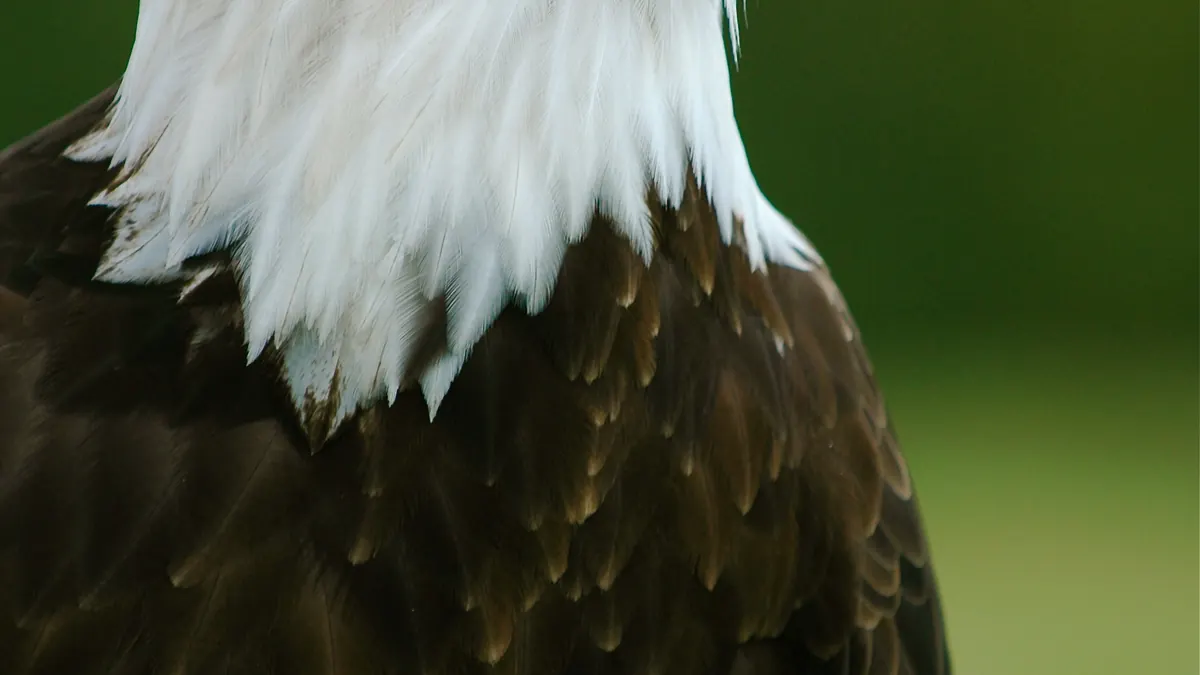
The California Department of Fish and Wildlife has confirmed that Jackie, the beloved bald eagle of Big Bear Valley, died from Highly Pathogenic Avian Influenza. The results, released October 15, 2026, came from a necropsy and extensive diagnostic testing conducted in partnership with the San Diego Zoo Wildlife Alliance and the Ojai Raptor Center on Patient 26-519, Jackie’s official case designation.
“Jackie’s necropsy confirmed Highly Pathogenic Avian Influenza (wildlife.ca.gov/News/Archive/necropsy-provides-new-information-about-beloved-bald-eagle-known-as-jackie” target=”_blank”>HPAI) as the primary underlying cause of her decline,” said Steve Kubiski, Director of Disease Investigations at the San Diego Zoo Wildlife Alliance. “In an uncommon presentation of the virus, the infection caused a severe ulcer in her stomach that led to persistent internal bleeding, anemia, and the development of bacterial sepsis.”
An Unusual Disease Pathway
Kubiski described Jackie’s case as an uncommon presentation of the virus, which attacked the ventriculus — the muscular portion of a bird’s stomach, commonly called the gizzard — producing chronic disease and severe ulceration in that tissue. The damaged ventriculus contributed to ongoing blood loss and persistent severe anemia. Because the gut wall was compromised, bacteria entered the body, resulting in a serious secondary bacterial infection. Veterinary pathologists also found severe inflammation and blood clot formation in Jackie’s heart and several major blood vessels. Follow-up testing confirmed that HPAI viral genetic material was present in several tissues throughout her body, including the ulcerated tissue in the ventriculus.
CDFW described the overall picture as “multiple severe and interconnected disease processes that had been developing over time and ultimately led to her decline and death.”
Toxicology screening detected brodifacoum — an anticoagulant rodenticide — in Jackie’s liver, along with persistent environmental contaminants. However, the necropsy did not find uncontrolled bleeding of the type typically associated with anticoagulant rodenticide poisoning. CDFW therefore did not identify brodifacoum as a primary cause of illness or death. Additional testing confirmed Jackie was negative for West Nile Virus, and heavy metals including lead were within acceptable limits and not associated with her identified disease progression.
Toxicology and HPAI PCR testing were performed by the California Animal Health and Food and Safety Laboratory at UC Davis. Final confirmation of the HPAI infection was made by the USDA National Veterinary Services Laboratory system. “The necropsy results have helped connect many of the findings we were seeing throughout the eagle’s hospitalization,” said Chris Eksteen, Executive Director of the Ojai Raptor Center, which provided care for Jackie. “We are grateful to the many veterinary specialists, laboratories, wildlife agencies and partner organizations who worked alongside our team to understand her illness and provide her with the best possible care.”
Consistent with established procedures intended to prevent the transmission of HPAI to wildlife or humans, Jackie’s remains were cremated by the U.S. Fish and Wildlife Service’s National Eagle Repository.
HPAI is an infectious disease that primarily affects birds and has been circulating in wild bird populations throughout the United States. Waterfowl and shorebirds are natural hosts of avian influenza viruses, while eagles and other raptors may be exposed through contact with infected birds or by consuming infected prey. Jackie’s case documents the uncommon gastric presentation of the virus in a top predator — a detail that CDFW says can help inform the care and treatment of other eagles and wildlife going forward.
Jackie’s mate, Shadow, remains in Big Bear Valley. Based on camera data, CDFW reported no evidence that Shadow or the eaglets were sick. Jackie and Shadow gained national attention in 2023 as the stars of a San Bernardino National Forest livestream operated by the nonprofit Friends of Big Bear Valley, with the pair welcoming five eaglets together over their time in the valley.
“The story of the Big Bear bald eagle reflects the powerful connection people feel to these iconic birds,” said CDFW Director Meghan Hertel. “We’re grateful to everyone who cared for her and worked to support her well-being. Understanding the results of these tests is an important part of learning from this case and can help inform the care and treatment of other eagles and wildlife in the future.”