Rahul Somvanshi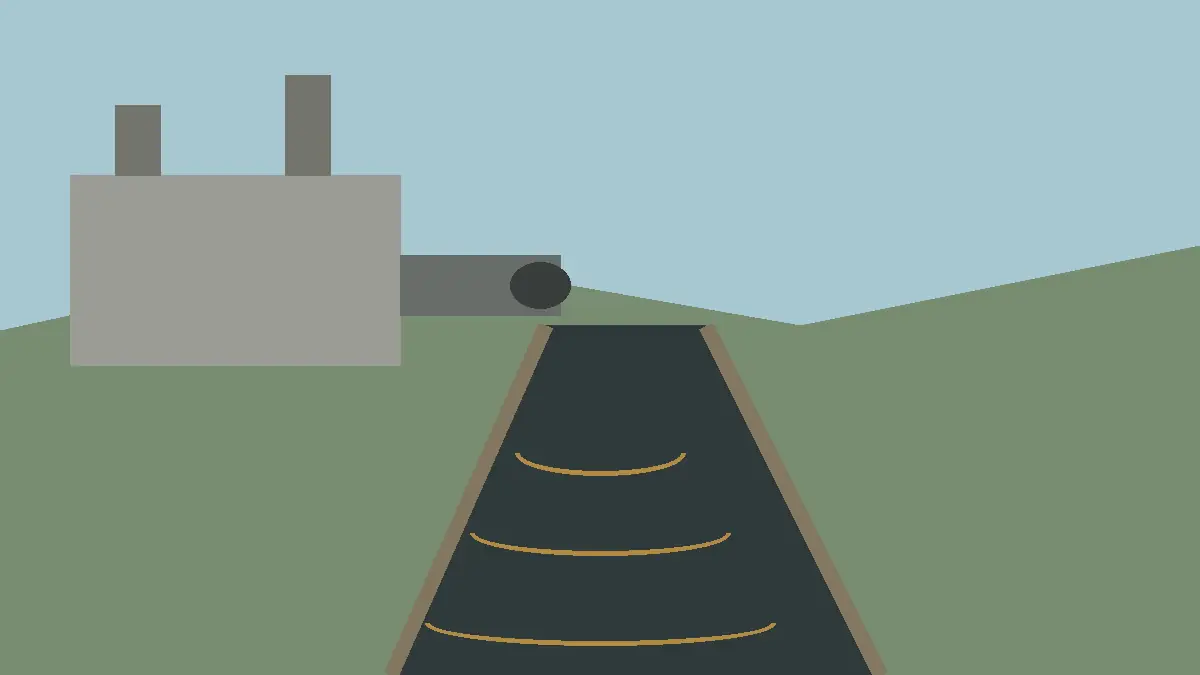
A video filmed near the Shahid Nagar border in Ghaziabad shows a dark drain and alleges that dyeing units are sending untreated wastewater into it. The footage is dated October 14, 2026, by its speaker. Karmactive has not independently confirmed the filming point, the discharge source or whether the water shown came from any particular factory. Those claims should not be treated as established from the video alone.
There is, however, a wider documented enforcement issue in Ghaziabad. Recent reports from the city said authorities had acted against more than 250 illegal industrial units in Loni and Sahibabad over alleged discharge of untreated industrial effluent into Yamuna-linked drains. Separate reporting said the Uttar Pradesh Pollution Control Board was planning joint inspections of illegal units near the Yamuna and Hindon.
The overlap is limited but important: both the video and the reports concern industrial wastewater in the Ghaziabad area. The video does not prove that the drain it shows is connected to the units named in those reports, or that its pollution has reached the Hindon or Yamuna. Water sampling, an inspection record and a traced outfall would be needed to establish that.
Why treatment records matter
The speaker calls for industrial wastewater to be treated through an effluent-treatment system rather than released into a drain. Whether a unit is operating lawfully depends on its consent conditions, its discharge route and monitoring by the regulator. A dark-looking drain alone cannot identify the chemicals present or the party responsible.
For residents who suspect an unlawful discharge, the Uttar Pradesh Pollution Control Board’s public grievance system is the official route for a complaint. Useful reports identify the exact location, time, photographs or video, any visible outlet and whether the discharge is continuing. That gives inspectors information that can be checked against permissions, sampling and enforcement records.
Is the Shahid Nagar video proof that dyeing units are polluting the Hindon or Yamuna? No. It is a lead that merits inspection, not proof of a specific discharge or river impact. The documented regional enforcement drive makes prompt verification worthwhile, but responsibility and contamination can only be established by the authorities’ evidence.
Ghaziabad’s enforcement activity shows why industrial-wastewater monitoring remains a public concern. The next meaningful update would be a regulator’s inspection or sample result for the drain identified in the video.