 Rahul Somvanshi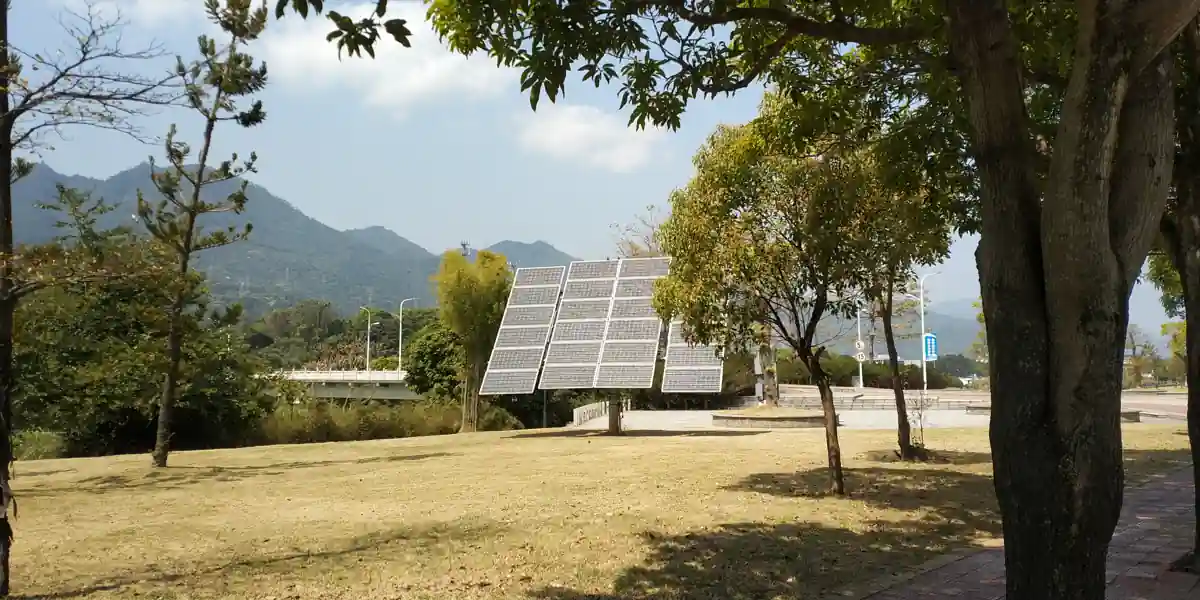
China’s renewable-energy buildout is moving fast, but one widely shared claim needs a date correction. The country’s earlier target was to have more than 1,200 gigawatts of combined wind and solar capacity by 2030. China said it reached that threshold in 2024, years ahead of schedule.
The next headline target is also larger than the figure circulating in the reel. In its 2035 climate pledge, China said it would strive to bring combined wind and solar capacity to 3,600 gigawatts. That is a 2035 goal, not a 2030 target.
For people following the global energy transition, the distinction matters. Installed capacity measures the maximum output that power plants could produce under suitable conditions. It does not mean the same amount of electricity is delivered every hour. Solar output falls after sunset, and wind generation changes with weather. Grid investment, storage and flexible power demand therefore determine how much renewable electricity can displace fossil-fuel generation in practice.
China has already exceeded its earlier wind-and-solar goal
China’s 2020 nationally determined contribution to the Paris Agreement said total installed wind and solar capacity would exceed 1,200 gigawatts by 2030. The target covered wind and solar together, rather than all renewable technologies. Hydropower, nuclear power and other sources are counted separately in energy statistics.
China’s National Energy Administration reported that its combined wind and solar capacity passed 1,200 gigawatts by the end of 2024, a milestone also tracked in the International Energy Agency’s renewables analysis. The government also reported rapid additions of solar and wind that year. The achievement is real, but it should not be confused with a completed decarbonisation of the power system.
Coal remains an important part of China’s electricity supply. Total annual emissions can also move differently from renewable capacity because electricity demand, industrial output, weather and the use of coal-fired plants all matter. A claim that China’s emissions have definitively peaked needs year-by-year emissions data and should not be inferred from capacity additions alone.
What is China’s new wind and solar target? China’s updated climate pledge says it will strive for 3,600 gigawatts of installed wind and solar capacity by 2035. It is a capacity target, so progress should be assessed alongside generation, grid integration and emissions data.
China’s scale has consequences outside its borders because it is a major manufacturing base for solar equipment, batteries and electric vehicles. The lower cost of those technologies can help other countries build clean-energy systems, while also increasing the importance of resilient supply chains and transparent environmental standards.
China’s progress shows that large-scale clean-energy deployment can happen quickly. The more careful conclusion is that the country has surpassed its old wind-and-solar capacity target and set a much bigger 2035 ambition. Whether this translates into sustained emissions reductions will depend on how rapidly clean generation, transmission, storage and fossil generation change together.