 Rahul Somvanshi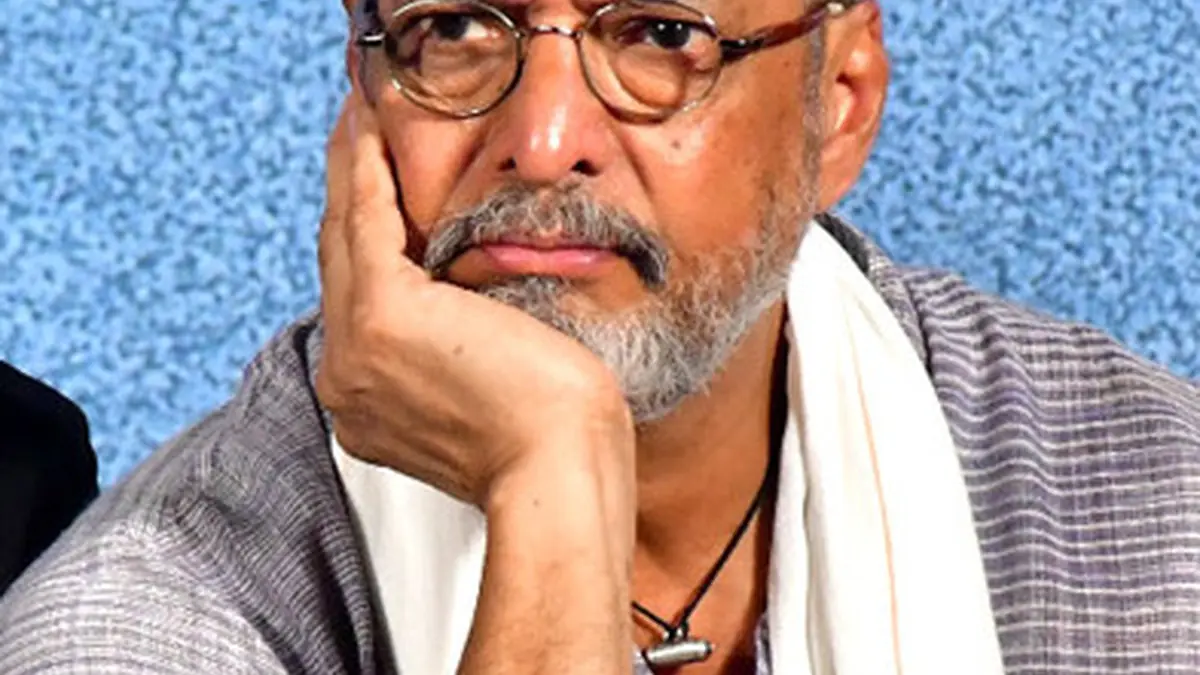
Nana Patekar, one of India's most acclaimed character actors, died on October 8 at his residence in Goa. He was 75. The cause was sudden cardiac arrest. Major Indian outlets including the Times of India, NDTV, and the Economic Times confirmed the death within hours. Condolences came quickly from political leaders and fellow actors across Bollywood.
Most of that coverage focused on Krantiveer, Parinda, and Agni Sakshi — the films that defined his screen reputation. What it largely skipped was the institutional project he spent the last decade of his life building in the drought-hit villages of rural Maharashtra.
What NAAM Foundation Actually Built
In September 2015, Patekar co-founded the NAAM Foundation with actor Makarand Anaspure in direct response to Maharashtra's deepening agrarian crisis. The foundation was registered as a Section 8 non-profit with a specific structural rule baked into its legal charter: no political donations and no government grants. Every rupee came from public micro-donations and village labour known as Shramdaan — community workdays where local residents contributed manual hours to their own water infrastructure.
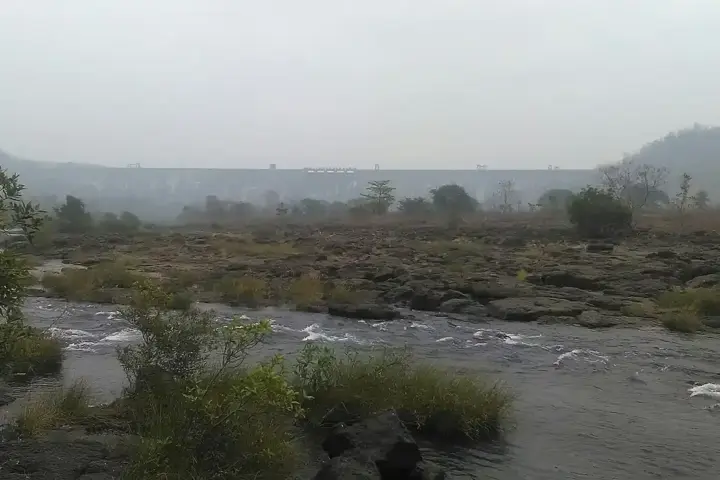
The scale of what followed is documented in NAAM Foundation audited records: over 490 seasonal rivers and streams widened and deepened across drought-prone Marathwada and Vidarbha, more than 1.5 crore cubic meters of silt removed, and hundreds of cement check dams constructed across districts including Beed, Nanded, and Osmanabad. River rejuvenation work across the Ghod, Manjara, and Sina basins directly increased groundwater recharge capacity across more than 1,000 villages.
Nana Patekar's sudden passing leaves more than an empty space on the Indian screen; it tests the longevity of community-funded water projects across rural Maharashtra. Communities depending on NAAM Foundation's de-silting work, check dams, and widow-pension funds need to know that these operations remain legally autonomous under registered trust deeds. Ongoing watershed work and emergency agrarian aid are designed to continue uninterrupted without reliance on any single individual — including Patekar himself.
What He Put In Personally
In his own words, preserved in NAAM Foundation documentation: "I have seen hunger, and I have seen the helplessness of a farmer looking at a dry well. This is not charity; this is repaying a debt to the soil."
Beyond fundraising, Patekar channeled a substantial portion of his personal income toward seed-funding village-level percolation tanks. That decision bypassed municipal bureaucracy entirely — money went directly to village committees managing construction. The foundation also disbursed direct financial aid to over 1,200 families of farmers who died by suicide during Maharashtra's consecutive drought years.
The design of the foundation was deliberate. By barring government grants and political donations, Patekar and Anaspure ensured the organisation could not be administratively compromised or redirected. The civil river restoration model proved that aquifer levels in targeted villages could recover within two monsoon seasons using community labour and public donations alone — without state machinery.
What was Nana Patekar's contribution to water conservation in Maharashtra?
Patekar co-founded the NAAM Foundation in September 2015 to combat severe drought across Maharashtra. The initiative funded the widening and deepening of over 490 seasonal rivers and streams, constructed cement check dams, and removed millions of cubic meters of silt — directly replenishing groundwater tables across more than 1,000 Marathwada and Vidarbha villages. The foundation operated entirely on public donations and community labour, with no government or political funding.
NAAM Foundation trustees are expected to issue a statement on governance continuity and the status of ongoing 2026–2027 river projects. The foundation's registered trust structure means its work is legally independent of any individual, including its founders.