 Sunita Somvanshi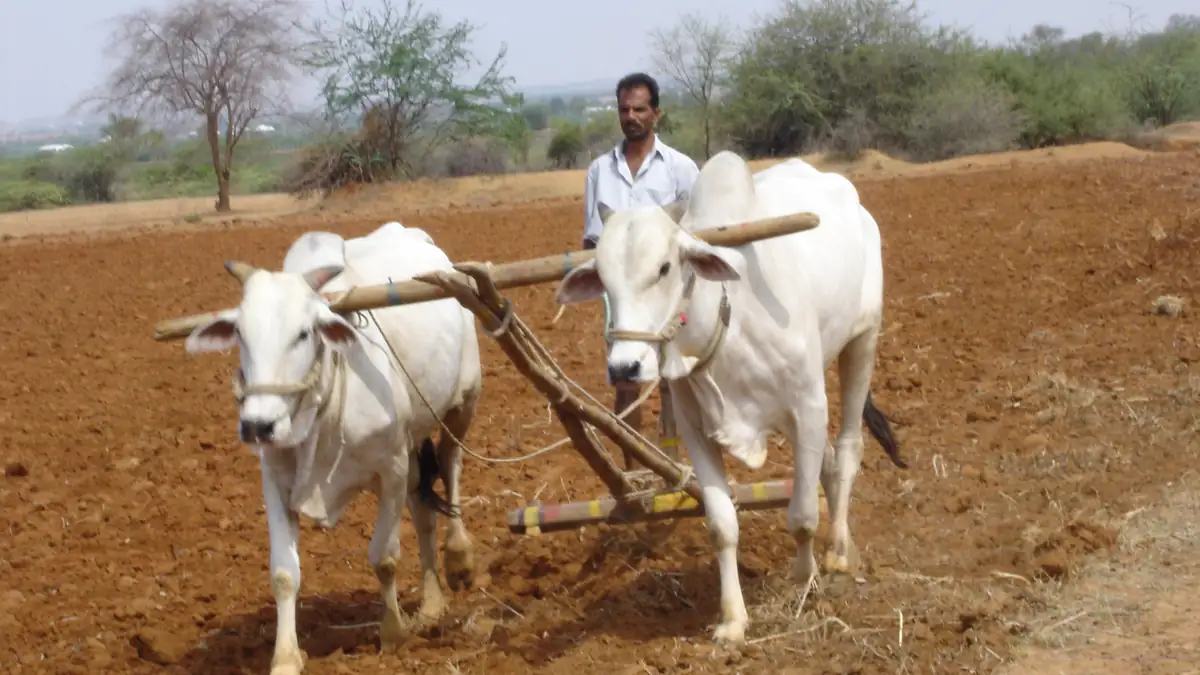
Farmers across approximately 235 mandals in Telangana are facing drought-like conditions after a monsoon season that delivered roughly 17 percent less rainfall than normal, and the state government is travelling to New Delhi to seek central assistance for the affected areas.
The Telangana Cabinet, chaired by Chief Minister A. Revanth Reddy, met on October 1 and approved a series of measures in response to the rainfall deficit. Ministers are travelling to the Union government to request that the affected mandals be formally declared drought-hit and that emergency central assistance be made available. Telangana officials have linked the rainfall shortfall to El Niño conditions. Kharif paddy and cotton crops in affected areas face elevated risk of damage as a result of the deficient season.
The same cabinet meeting cleared two pending Dearness Allowance instalments for Telangana’s state government employees and pensioners — a separate decision affecting public servants and retirees across the state. Reports indicate the DA arrears will be paid in instalments rather than as a lump sum.
What the rainfall deficit means for affected areas
Telangana government officials reported approximately a 17 percent cumulative monsoon rainfall deficit across the state. The drought-like conditions across the 235 mandals are the basis for the government’s request for central recognition and financial assistance. Under India’s drought relief framework, formal drought classification by the Centre can unlock emergency funds and input subsidies for affected farmers, though the formal assessment and approval process must follow.
Telangana’s appeal to New Delhi involves seeking central assistance under applicable disaster relief mechanisms. The state has not yet received a central response as of October 2. Whether formal drought status is granted and what relief funds follow will depend on the Centre’s assessment of damage and eligibility.
The cabinet also established a subcommittee to assess drought conditions and recommend relief measures for the affected mandals.
On the DA front, the Cabinet approved two pending instalments for state government employees and pensioners. Reports said the arrears would be paid in instalments; exact payout timelines are subject to implementation by the state finance department.
For Telangana’s farming households, the immediate practical step is to ensure crop damage is registered through official district agricultural channels as early as possible. Formal damage registration is typically required to access state and central relief funds once a drought declaration is in place. Government employees and pensioners can expect DA adjustments in upcoming payroll cycles, with arrears following in a phased arrangement.
Why is Telangana seeking drought status for 235 mandals? The state government says a roughly 17 percent cumulative monsoon rainfall deficit has created drought-like conditions across approximately 235 mandals. Telangana officials have attributed the shortfall to El Niño conditions. The government is petitioning the Centre to formally declare the mandals drought-hit and release emergency central assistance for affected farmers.
The central government’s formal response, and any subsequent drought declaration and fund release, will determine the timeline for relief. Check back as the ministerial delegation in New Delhi reports outcomes. For context on state government finances, see Karmactive’s coverage of the 8th Pay Commission consultation update.
—
Related Karmactive coverage has also tracked Indian weather and rainfall alerts affecting farm planning.