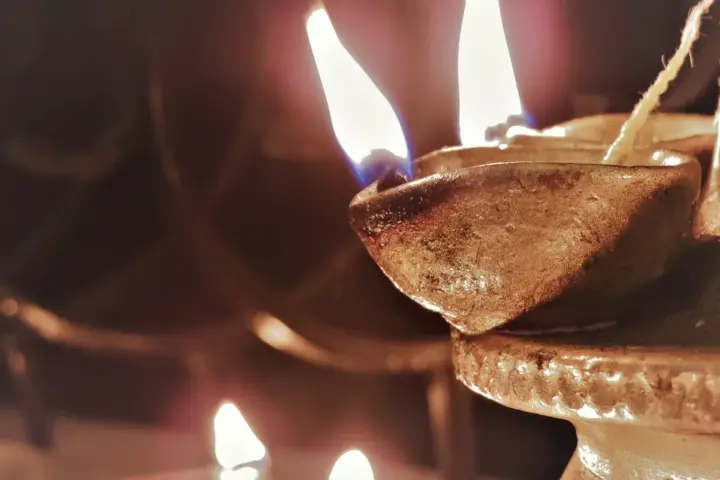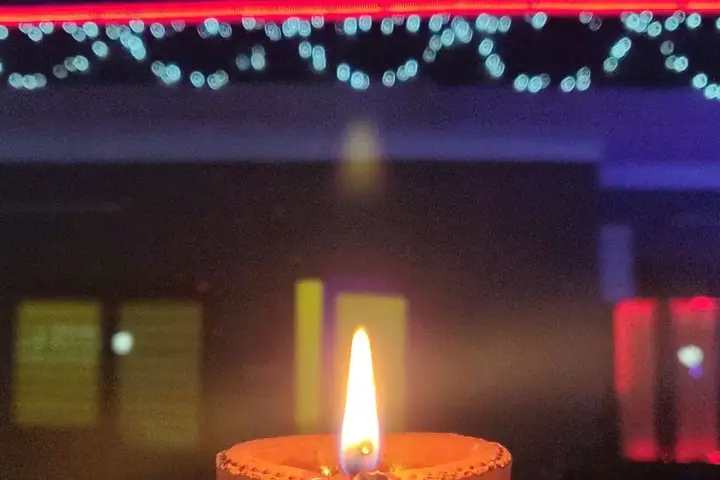
Before you buy Diwali lamps this year, consider how they were made. In Gorakhpur, potters are using electric wheels to make clay diyas, the small oil lamps lit at the festival. Local reporting says the machines reduce physical effort and let potters make more diyas in less time.
The report comes from Sangrampur in the Unwal area of Gorakhpur. The electric wheels were provided under a scheme of Chief Minister Yogi Adityanath. Potters Saraswati Devi and Santosh Prajapati are named in the report. Artisans say demand for clay lamps persists despite decorative electric lights.
Buying from local potters supports artisans who depend on the festival season. Clay lamps are made from natural clay, but their environmental impact depends on how they are fired and transported. This article makes no general claim about that.
How electric wheels are used in Gorakhpur
Traditional potter’s wheels are turned by hand or foot. Electric wheels reduce that physical effort, according to the report. According to the report, the change lets potters make more diyas in less time.
Why are clay diyas used at Diwali? They are a long-standing part of the festival, and artisans say demand has held up despite electric lights.
Buying clay diyas from local potters supports a craft that still depends on the festival season.

(function () {
var btn = document.getElementById('karmactivePushBtn');
var status = document.getElementById('karmactivePushStatus');
if (!btn) return;
function setStatus(msg) {
if (status) status.textContent = msg;
}
function fallback() {
setStatus('Push notifications are not supported in this browser. Try the email option above.');
}
btn.addEventListener('click', function () {
try {
/* OneSignal v16+ deferred SDK */
if (window.OneSignalDeferred && Array.isArray(window.OneSignalDeferred)) {
setStatus('Opening notification prompt...');
window.OneSignalDeferred.push(function (OneSignal) {
if (OneSignal && OneSignal.Notifications && typeof OneSignal.Notifications.requestPermission === 'function') {
OneSignal.Notifications.requestPermission()
.then(function () {
setStatus('You will receive push notifications when new articles are published.');
})
.catch(fallback);
} else {
fallback();
}
});
return;
}
/* OneSignal direct object */
if (window.OneSignal && OneSignal.Notifications && typeof OneSignal.Notifications.requestPermission === 'function') {
OneSignal.Notifications.requestPermission()
.then(function () {
setStatus('You will receive push notifications when new articles are published.');
})
.catch(fallback);
return;
}
/* Older OneSignal SDK */
if (window.OneSignal && typeof OneSignal.push === 'function') {
setStatus('Opening notification prompt...');
OneSignal.push(function () {
if (typeof OneSignal.showSlidedownPrompt === 'function') {
OneSignal.showSlidedownPrompt();
} else {
fallback();
}
});
return;
}
fallback();
} catch (e) {
fallback();
}
});
})();