Rahul Somvanshi
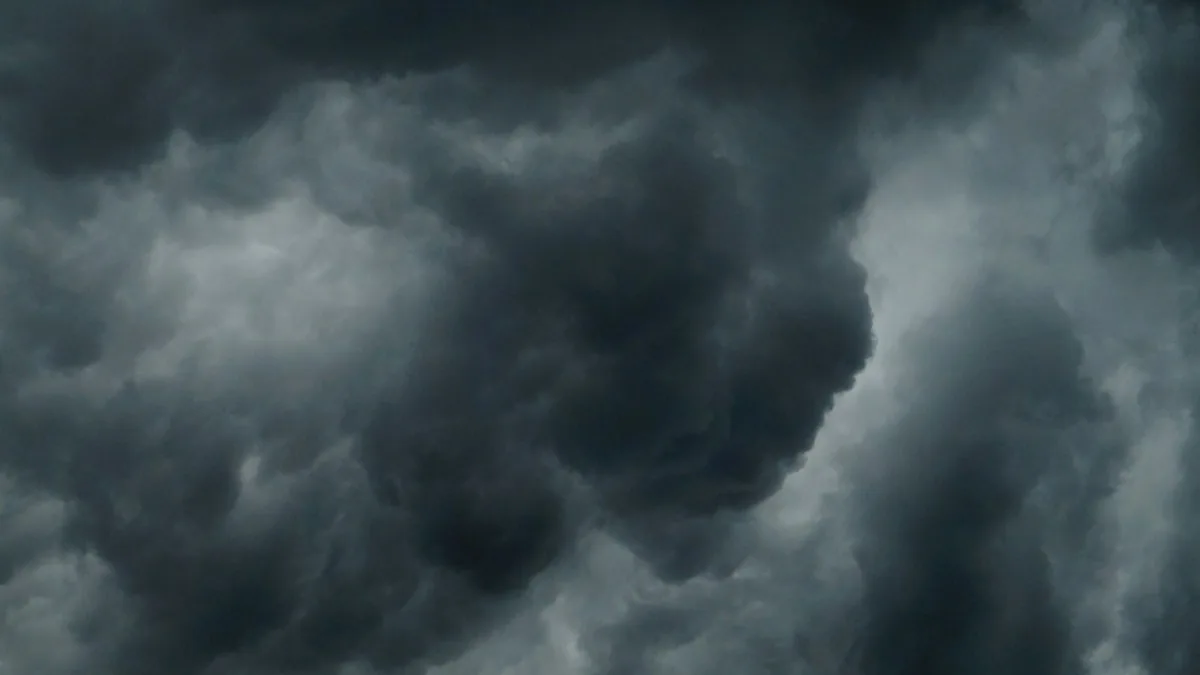
If you live or drive in South-East Queensland, these storms could affect your car, your roof and your power. A severe thunderstorm warning covers the region, and giant hail has been reported. Hail that size can shatter windscreens and punch holes in roofs. Heavy rain and flash flooding are also a risk.
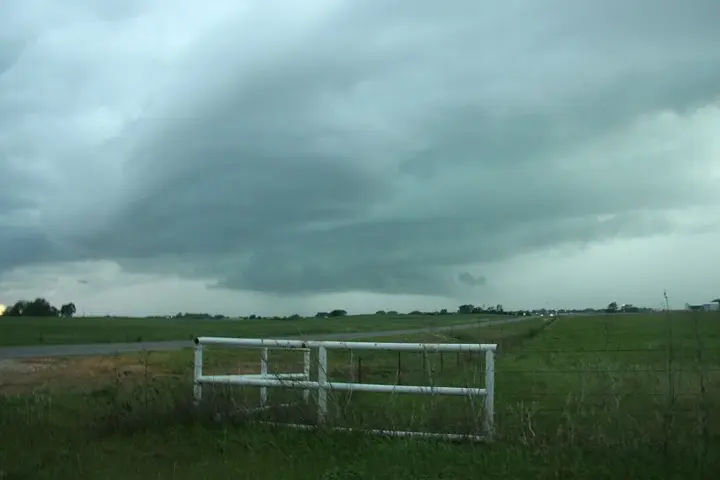
The Australian Bureau of Meteorology (BOM) has issued severe thunderstorm warnings. The storms are supercells, which are long-lived thunderstorms with a rotating core. Hail of up to 10 centimetres was reported at Glenwood, in the Fraser Coast region. Large hail was also reported at Maryborough. Forecasts show wind gusts above 125 km/h are possible, and tornadoes have not been ruled out.
Property owners and commuters across the warning area face immediate risks. Hail can break roof tiles, shatter car glass and damage solar panels. Flash flooding is also possible. Move your car under cover if you can, secure loose items outside, clear your gutters and stay out of floodwater. If hail damages your home, check what your home insurance covers before you book repairs.
Why giant hail does so much damage
Hail forms inside thunderstorms. Strong updrafts keep ice particles circling high in the cloud, and each lap adds another layer of ice. The freezing level, the height where the air turns below zero, decides how far a hailstone falls before it melts. When the freezing level sits low, large hailstones can reach the ground intact. How big a stone grows also depends on how strong the updraft is and how long the stone stays in the storm.
Early coverage focused on the chance of a tornado. Forecasters have not ruled one out. The hail sizes reported so far point more towards hail and sudden downbursts as the main threat. A downburst is a strong rush of air that falls from a storm and spreads outward, like a garden hose blasting straight down onto soil. That reading is an inference from the reported hail and wind forecasts. It is not a confirmed damage survey.
Giant hail in Australia means hailstones 5 centimetres or wider, according to the Bureau of Meteorology. At 5 centimetres, that is between golf-ball and tennis-ball size. Hail this size can cause serious injuries. It can also wreck car windscreens, tiled roofs and solar arrays.
Stay indoors while warnings are active, and keep your phone charged. Follow updates from the Bureau of Meteorology and your state emergency service. Avoid driving through floodwater, even on roads that look shallow. In a life-threatening emergency, call 000. For storm and flood damage help, call the SES on 132 500.