EPA Feed It Onward Reaps ‘Lessons Nationwide’ as 600 South Florida Retailers Divert Surplus Food
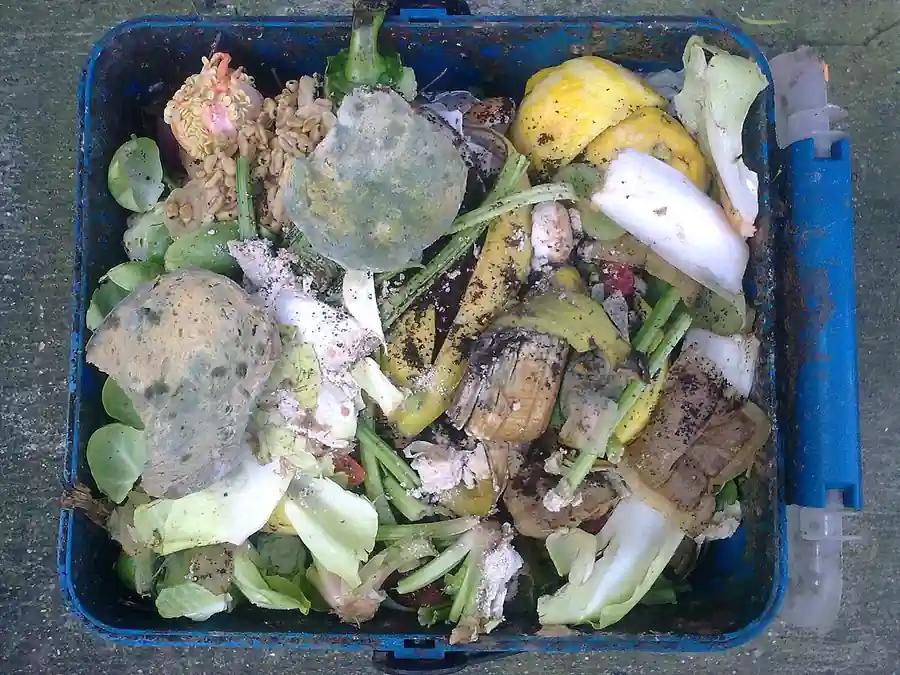
Under the EPA Feed It Onward initiative, Feeding South Florida works with more than 600 retail locations across four counties to recover food. It partners with farmers and local organizations as the agency updates its National Recycling Strategy. Since the initiative began in 2025, EPA says it has connected with 105 partner organizations. Those 25 engagements cover food waste prevention, food recovery, animal feed, composting and energy production.


Latest from Environment

Tara Gas tanker attack in Strait of Hormuz left one crew member missing
Families of crew members and companies moving gas through the Strait of Hormuz may be watching reports about the LPG tanker Tara Gas. UK Maritime Trade Operations and the Joint Maritime Information

Crater Lake Mazama Newt Faces ‘Endangered’ Listing as 7,000-Year Caldera Refuge Shrinks
If you’re planning a visit to Crater Lake, a federal proposal could affect how the Crater Lake Mazama newt is conserved. It also matters if you follow wildlife protections in the United
Wagner Unit 4 Order Extended by DOE for PJM Grid
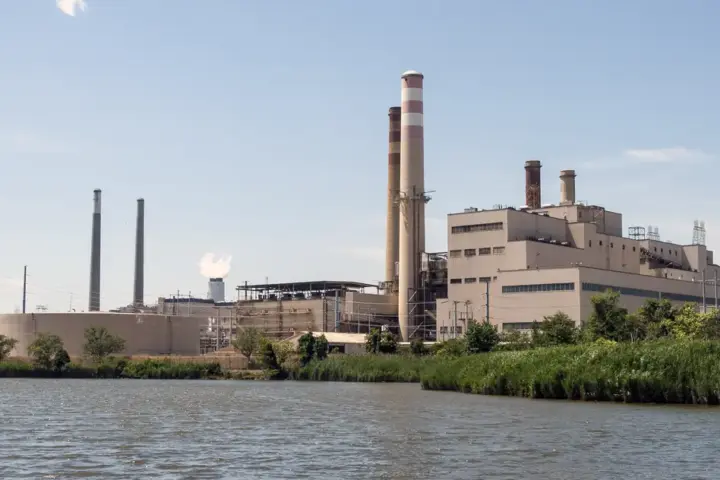
The Wagner Unit 4 order now runs through December 31. For households and businesses across the Mid-Atlantic and parts of the Midwest, winter power reliability depends on whether the grid can meet
Thai Mangur Ban in India: Why African Catfish Farming Is Banned
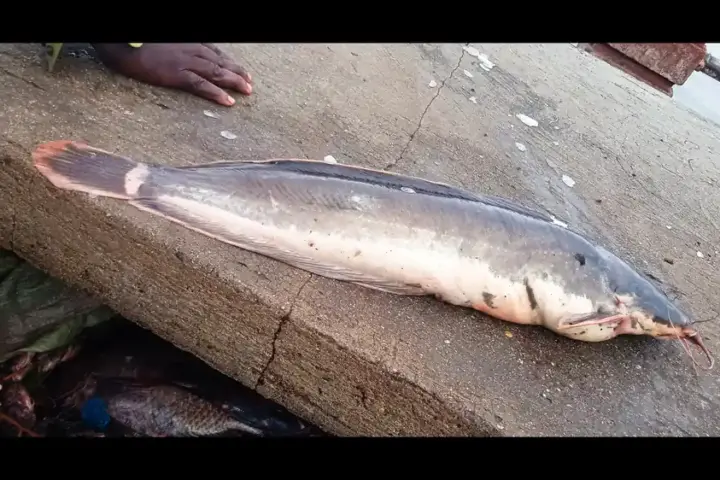
Thai Mangur Ban in India: Why African Catfish Farming Is Banned and How Escapes Threaten Native Fish If a fish seller offers you “magur,” the name alone tells you little about which

Wind-Turbine Loads Face 278km Detour at Queensland Bridge
Oversized wind-turbine components travelling through Queensland’s Western Downs can face a 278-kilometre detour because of restrictions at Dogwood Creek Bridge near Miles, the Australian Financial Review reported. The bridge is on the
Tazewell County Approves Mackinaw Solar Project; Battery Proposal Delayed
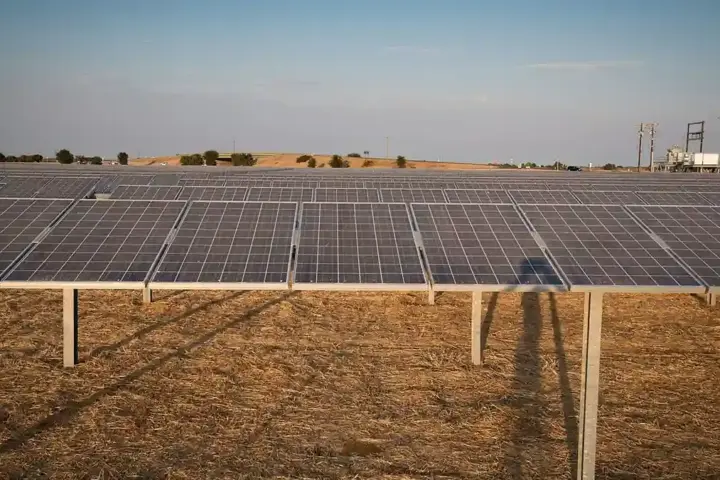
The Tazewell County Board approved a conditional special-use permit for Mackinaw Solar on 18 November, according to local reporting and the county board agenda. The project is planned as a 500-megawatt solar
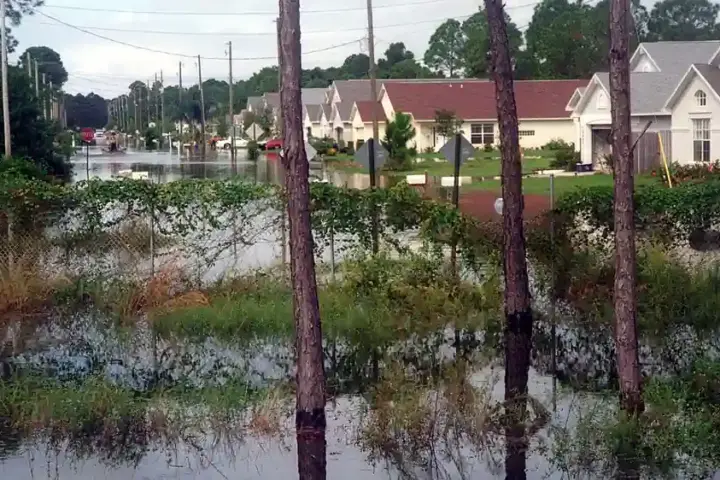
Brevard County Opens Flood Shelter as Florida Faces High-Risk Rainfall
Brevard County opened a shelter on 19 November as flooding spread across Florida’s Space Coast, the county said. The Walter Butler Community Center in Cocoa was opened for residents seeking shelter, including

EPA Shieldalloy Groundwater Plan: 67-Acre Site Faces Well Ban
Tap water in Newfield and Vineland, New Jersey is safe to drink today because homes and businesses there are connected to public water systems. The groundwater beneath part of Newfield tells a

Rice Ethanol Needs 10,790 Litres of Water Per Litre, Study Shows
What Does the 10,790-Litre Water Estimate for Rice Ethanol Mean? A viral video claims that making one litre of rice ethanol for India’s petrol pumps burns through 10,790 litres of water. Contemporary

Canadian Coast Guard Extends BC Emergency Towing Vessels Through 2028
The Canadian Coast Guard will keep its BC emergency towing vessels on contract through 2028, two years beyond the previous arrangement. The extension covers Atlantic Eagle and Atlantic Raven, the pair that

NOAA El Niño Winter Outlook: 80% Odds of Strong Event Through March 2027, Raising Southeast Rain and Flood Risks
NOAA’s El Niño winter outlook gives the strengthening event roughly an 80% chance of holding at strong to very strong levels through March 2027. That shift matters for the Southeast. Farmers, cattle

Homo Erectus Survived in Subtropical Rainforests, Fossil Teeth From China Reveal
Two new studies published together in Nature have recovered fossil teeth proving that Homo erectus both survived and thrived in dense subtropical rainforests — directly challenging a leading theory about why this

Cipton Bike Helmet Recall: 16,730 Youth Helmets Sold at Dick’s and JCPenney
If your child rides a bike in a white helmet with a built-in LED light strip, check the inside label now. A Cipton bike helmet recall covers 16,730 youth helmets sold at
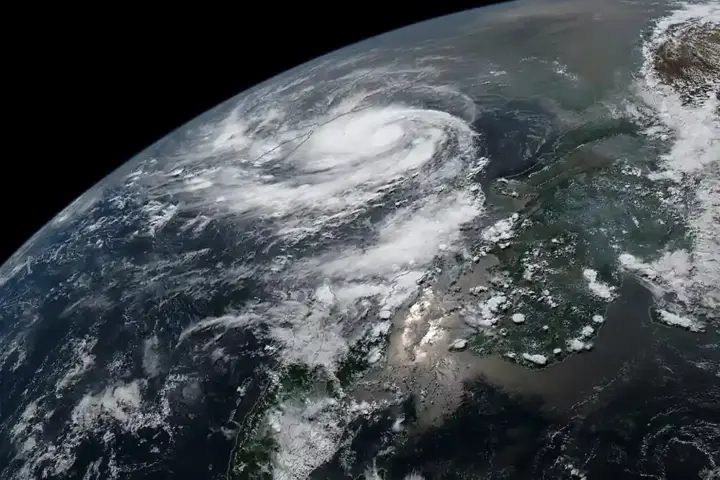
Cyclone Akvan Landfall: IMD Red Alert as 80,000 Evacuated From Andhra and Odisha
Cyclone Akvan is forecast to make landfall along the Andhra Pradesh–Odisha coast around noon on Friday, November 20, packing sustained winds of 90 to 100 kmph and gusts reaching 110 kmph. The

NASA 3D Wildfire Map of California Can Spot Single Trees at 1 Square Meter
If your home sits where California’s forests meet neighborhoods, wildfire risk can depend on details as small as a single tree. On November 18, 2026, NASA published an announcement about a 3D