Rahul Somvanshi
Tap water in Newfield and Vineland, New Jersey is safe to drink today because homes and businesses there are connected to public water systems. The groundwater beneath part of Newfield tells a different story. The EPA Shieldalloy groundwater plan is its proposed answer, and the public comment window closes on December 11, 2026.
The EPA announced the plan on November 9, 2026, and held a virtual public meeting on November 19, 2026 at 6:30 p.m. The target is the 67-acre Shieldalloy Metallurgical Corporation Superfund site in Newfield. The comment period runs from November 9 through December 11, 2026, and the agency is accepting written feedback from residents, local officials, and community groups.
The Shieldalloy site operated from 1955 to 2006. The company produced chromium alloy and other products there. The property includes the Hudson Branch, which discharges to Burnt Mill Pond, and an adjacent 19.8-acre farm parcel. The 67-acre site is the area EPA now wants to address for perchlorate in groundwater.
Perchlorate from the site has reached groundwater that also affects the City of Vineland. Earlier cleanup work dealt with soil and with groundwater contaminants other than perchlorate, including hexavalent chromium and volatile organic compounds. The contamination has spread beyond the property line, which is why the proposal covers groundwater off the site as well as on it.
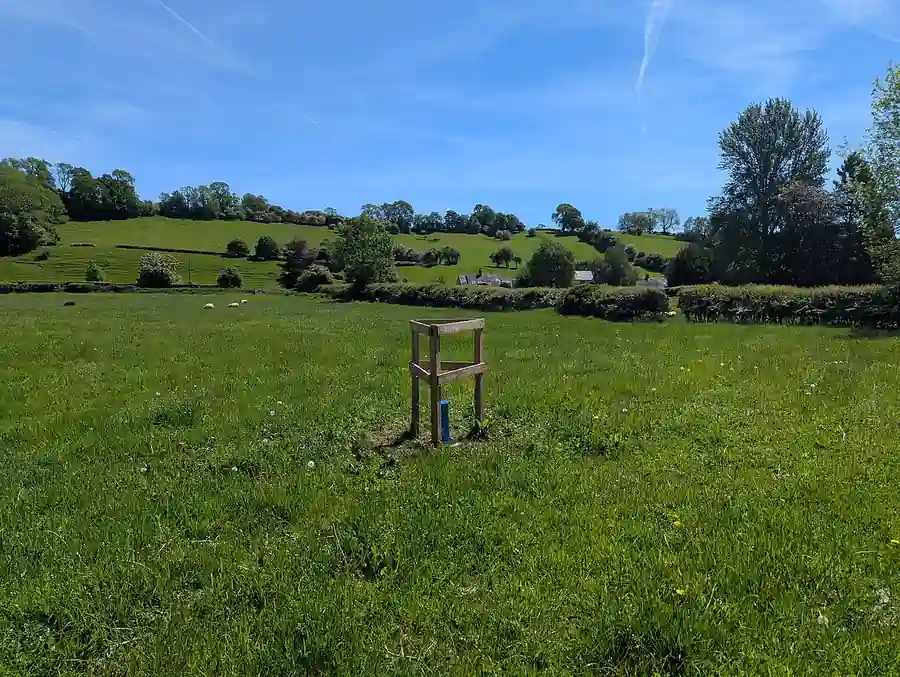
The proposal relies on monitored natural attenuation. That means letting natural processes reduce the contamination over time. The three processes named in the plan are biodegradation, dilution, and dispersion. EPA would pair them with long-term groundwater monitoring.
Monitored natural attenuation is not a do-nothing option. The agency would keep sampling the groundwater to track whether the plume is shrinking, holding steady, or spreading. The monitoring is the check that tells EPA and local residents whether the natural processes are working.
The document EPA issued is a proposed plan, not a final decision. The agency is asking the public to comment on it before it selects the remedy it will require. That is the step the current comment window covers.
The plan also prohibits installing private drinking water wells that draw from contaminated groundwater at the site. Nearby homes and businesses already receive public water. Those supplies are sampled regularly under the Safe Drinking Water Act.
The well ban matters most for property owners who might otherwise drill a new well. A new well that pulls from the contaminated plume would give a household its own exposure route. The ban closes that route while the monitoring continues.
The practical effect for residents is that the drinking water supply does not change. The work EPA is proposing happens underground and at the monitoring wells, not at the kitchen tap. Property owners who want a new private well are the ones the ban affects.
The monitoring would track the perchlorate plume over time. EPA would use the sampling results to judge whether the natural processes are reducing the contamination in the groundwater that reaches Vineland.
How to Comment on the EPA Plan
Written comments are due by December 11, 2026. Mailed comments must be postmarked by December 9, 2026. The window opened on November 9, the same day EPA announced the plan, and runs for just over a month.
Comments can be emailed to Remedial Project Manager William Friedmann at friedmann.william@epa.gov. They can also be mailed to U.S. EPA Region 2, 290 Broadway, New York, NY 10007.
For residents, the practical question is whether monitoring and a well ban are enough to keep the plume from reaching more wells. The EPA’s position is that public water supplies are already protected and that natural processes will reduce the perchlorate over time.
The virtual meeting has already taken place, but the written comment window stays open. Residents who want the agency to see their concerns should send them before the December 11 deadline. After the window closes, EPA will review the comments before it finalizes the remedy for the site.