Rahul Somvanshi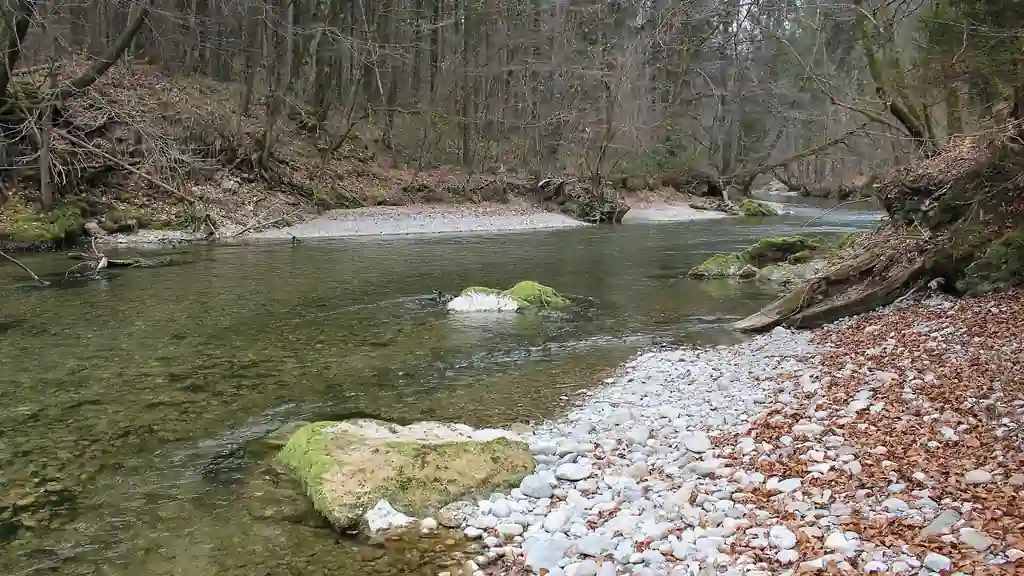
Munich’s drinking-water system depends heavily on the Mangfall Valley, an area outside the city where groundwater is collected and sent to homes through natural downhill flow. Stadtwerke München (SWM), the city utility, says the valley supplies about 75% of Munich’s daily water demand.
That dependence explains a programme that has operated there since 1992. SWM’s Ökobauern initiative supports farmers who use ecological farming standards in the Mangfall Valley water-catchment area. The utility says participating farms avoid chemically synthetic plant-protection products and work under organic standards.
The programme is sometimes described online as a simple comparison between paying farmers and building a filtration plant. That cost claim could not be confirmed from SWM’s current primary-source material, so it is not included here. What the utility does document is a long-running arrangement: it makes compensatory payments to participating ecological farms for their contribution to drinking-water protection, including support for reduced yields and necessary investment.
More Than 185 Farms Have Converted
According to SWM, more than 185 farmers have converted their operations under the initiative. Together, they manage about 4,600 hectares under ecological standards. The utility works with organic-farming associations including Bioland, Naturland, Biokreis and Demeter.
The approach is rooted in how groundwater is protected before it reaches a tap. SWM says soil has filtering, buffering and material-conversion functions, and that groundwater quality is linked in part to soil quality. Under the programme’s rules, chemically synthetic fertilisers and plant-protection products are prohibited, while manure from conventional livestock production is also barred.
For a city relying on water gathered beyond its boundaries, land management in the catchment becomes part of water policy. SWM says it supplies around 1.6 million people in Munich and the surrounding region. Its water sources include the Mangfall Valley, the Loisach Valley and a reserve area on the Munich gravel plain.
The Mangfall Valley is not Munich’s only safeguard. The utility also lists water-protection zones, forest management and nature-conservation measures among its protections for source areas. That wider context matters: cleaner source water depends on geology, monitoring, land-use controls and farming practices, rather than on a single intervention.
How does Munich protect drinking water in the Mangfall Valley? SWM combines protected source areas with measures that include its Ökobauern programme. It supports farms using ecological standards in the catchment and says more than 185 farms have converted. SWM also identifies water-protection forest and conservation work as part of its source-water strategy.
Elsewhere, the same question of how activities upstream affect water users has surfaced in Karmactive’s reporting on industrial wastewater claims in Ghaziabad and water-demand concerns around a planned data centre in Spartanburg. Munich’s example does not provide a universal template, but it shows how a water utility can work with farmers in a source area over the long term.
The available primary evidence supports the existence, scope and stated purpose of Munich’s programme. It does not substantiate every figure circulating in social-media videos about historic contamination or the precise cost of avoided treatment. Those claims should be treated cautiously unless their original underlying studies are produced.