Rahul Somvanshi
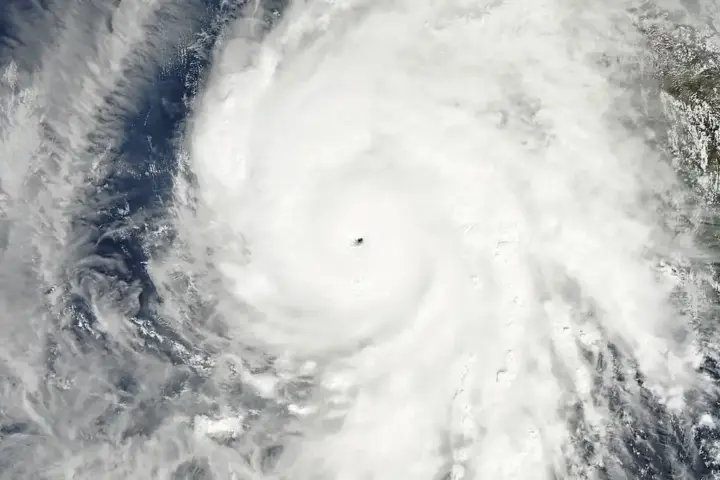
Wildfire smoke can turn a clear day hazardous far from the fire line. The danger is not limited to visible ash or an orange sky. Smoke can travel thousands of kilometres, and its fine-particle pollution can reach communities that are not near an active fire.
Health Canada says wildfire smoke is a mixture of gases, particles and water vapour and that fine particulate matter, known as PM2.5, is its main health risk. PM2.5 means particles with a diameter of 2.5 micrometres or less. They are small enough that they cannot be seen individually. Air may be unhealthy even when smoke cannot be seen or smelled.
The practical issue for people in smoke-affected areas is exposure over time. Health Canada links smoke exposure with eye and throat irritation, coughing and shortness of breath, and says people with lung or heart disease, pregnant people, children, older adults and people working outdoors can face greater risk. Anyone with severe symptoms should seek urgent medical help rather than trying to manage a dangerous exposure with home measures alone.
What helps when smoke reaches your area
Start with local air-quality advice, because smoke conditions can change quickly. Health Canada advises people to check official air-quality information, reduce exposure and pay attention to symptoms. Staying indoors with windows and doors closed can reduce infiltration when outdoor air is poor. A portable air cleaner with a properly fitted high-efficiency filter can help lower particles indoors; it does not make every indoor space safe in every smoke event.
A well-fitting, certified respirator can reduce inhalation of particles outdoors. A loose cloth face covering does not provide the same fit or particle filtration as a properly fitted respirator. But a respirator can be difficult for some people to wear safely, including people with certain heart or lung conditions. Public-health advice should take priority, and an indoor clean-air space may be the better option for people who cannot reduce their exposure at home.
This is a recurring climate and health issue, not only a local emergency. Canada’s health guidance notes that smoke can affect places close to and far from a wildfire. That transboundary reach is why an AQI alert in a city can be relevant even when the nearest visible fire is in another province or country. Karmactive’s earlier explainer on why PM2.5 can harm health even when it is invisible describes the same basic pollutant.
Can wildfire smoke get into your bloodstream? PM2.5 is small enough to penetrate deep into the lungs, where it is associated with health effects throughout the body. That does not mean every particle is literally carried through a person’s bloodstream, and public guidance should not be reduced to that slogan. The useful action is to lower exposure when official air-quality warnings say smoke is affecting your area.
Smoke seasons require preparation before an alert appears: know where to find local forecasts, keep a suitable filter or air cleaner maintained, and have a plan for people who are more vulnerable. The next plume may arrive from far beyond the horizon.