 Sonali Tiwary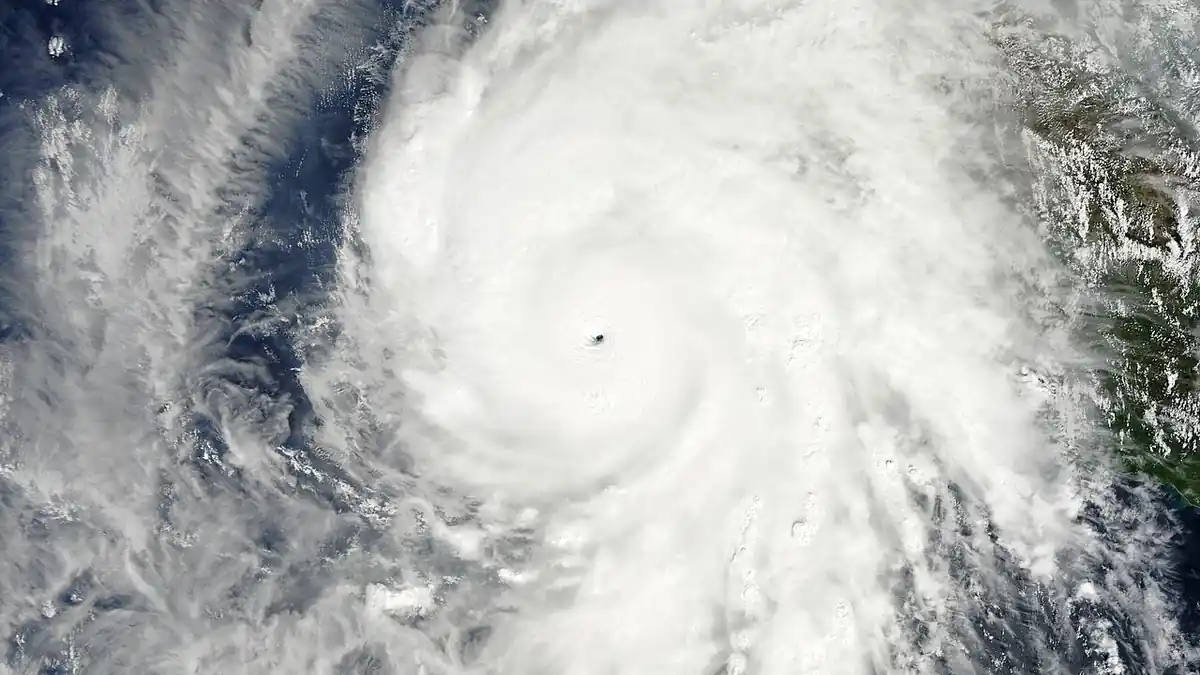
Hurricane Trudy was moving toward Mexico’s Pacific coast as a Category 1 hurricane when the National Hurricane Center issued Public Advisory 14 at 2100 UTC on Friday, October 16, 2026.
At the advisory time, Trudy was near 14.8 north and 102.5 west, about 225 miles southwest of Acapulco and 315 miles south-southeast of Manzanillo. Maximum sustained winds were near 85 mph, or 140 km/h. The hurricane was moving north-northwest near 5 mph, with a minimum central pressure of 982 mb.
Warnings Along Mexico’s Pacific Coast
A hurricane warning was in effect from Manzanillo northward to Cabo Corrientes. A hurricane watch extended from Manzanillo southward to Punta San Telmo. A tropical-storm warning covered the coast from Manzanillo southward to Zihuatanejo, while a tropical-storm watch was in effect from Cabo Corrientes northward to San Blas.
The advisory forecast Trudy to approach southwestern and west-central Mexico on Saturday and pass near the coast on Saturday night into Sunday. The National Hurricane Center said slight strengthening was possible.
Forecast rainfall through the weekend was 4 to 8 inches, with isolated totals of up to 15 inches, along and near the southwest Mexican coast in Michoacán, Colima and Jalisco. Guerrero and Nayarit could receive 2 to 4 inches, with isolated totals of up to 6 inches. The advisory said that rainfall may produce life-threatening flooding and mudslides, especially near steep terrain.
The National Hurricane Center said swells generated by Trudy may cause life-threatening surf and rip-current conditions.
These details reflect Advisory 14 only. The advisory did not confirm a landfall, evacuation orders, damage, casualties or winds of 120 mph. People in a warning or watch area should follow the latest official guidance from Mexican civil-protection authorities and the National Hurricane Center.