Rahul Somvanshi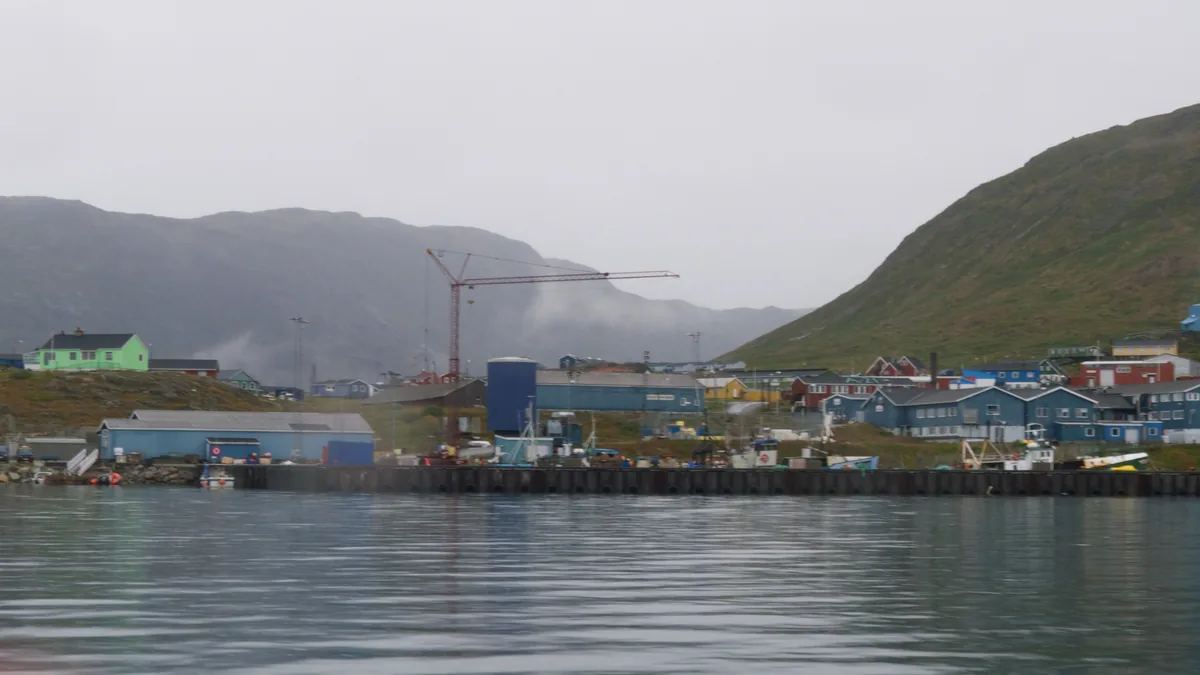
Greenland’s government has cleared the way for one of the world’s largest heavy rare-earth mines, even as a bigger, more famous deposit a few hours away stays legally frozen. On September 29, 2026, Greenland’s minister for mineral resources signed off on the mining and closure plans for the Tanbreez project, a decision developer Critical Metals Corp announced on October 5. The approval runs until September 8, 2050, and marks the last major regulatory step before construction can begin.
Tanbreez sits at Killavaat Alannguat, between the towns of Narsaq and Qaqortoq in southern Greenland. The site has been under exploitation license since 2020, and the newly approved plan lists 19 elements the company can extract, including the heavy rare earths terbium, dysprosium and yttrium, plus the magnet metals neodymium and praseodymium. These elements go into high-performance magnets used in EV motors, wind turbines and defense hardware, the same supply chain the US and EU have spent years trying to pull away from Chinese dominance.
For communities near the mine, the next question is simple: what changes on the ground. Construction still needs further activity-specific permits covering environmental management, marine transport, and mineral exports under Greenland’s Mineral Resources Act, plus a financial security deposit from the company before any ground gets broken. That means jobs and local economic activity remain months away at minimum, even with the biggest approval hurdle now cleared.
Why Kvanefjeld, Greenland’s other major deposit, stays shut
Roughly 100 kilometers from Tanbreez sits Kvanefjeld, known locally as Kuannersuit, one of the largest rare-earth oxide accumulations on Earth. It is controlled by Energy Transition Minerals, formerly Greenland Minerals, an Australian-listed company with a minority stake held by China’s Shenghe Resources. Unlike Tanbreez, Kvanefjeld’s ore carries high uranium content, roughly 250 to 350 parts per million. Greenland’s 2021 election brought in the Inuit Ataqatigiit party on an anti-uranium platform, and lawmakers passed a law banning uranium extraction above 100 parts per million, effectively shutting Kvanefjeld down. Energy Transition Minerals filed arbitration against Greenland and Denmark in 2022 over the ban, a dispute that remains unresolved.
That split outcome is not an accident. Tanbreez’s ore carries far less uranium, which let it clear Greenland’s environmental and political bar where Kvanefjeld could not. Indigenous Inuit communities near Narsaq have spent years weighing promised mining jobs against fears of uranium tailings, water contamination, and disruption to fishing and hunting grounds. The uranium ban that still blocks Kvanefjeld came directly out of that local opposition, not just international pressure.
Western governments have treated Tanbreez as a strategic prize for exactly this reason. Reporting has described US interest in keeping the project out of Chinese hands, consistent with broader efforts to build rare-earth supply chains outside China’s control. With Tanbreez now cleared and Kvanefjeld still stuck in arbitration, Greenland has effectively picked which of its two major rare-earth deposits reaches the market first, and uranium content made that decision as much as geopolitics did.
Construction timelines still depend on permits Critical Metals has not yet secured, so Tanbreez is not yet a producing mine. But the approval signals Greenland is willing to open parts of its rare-earth wealth to global supply chains, on terms it controls, while keeping its uranium red line intact. Read more on Karmactive’s environment coverage and policy desk for related Arctic resource stories.