 Sunita Somvanshi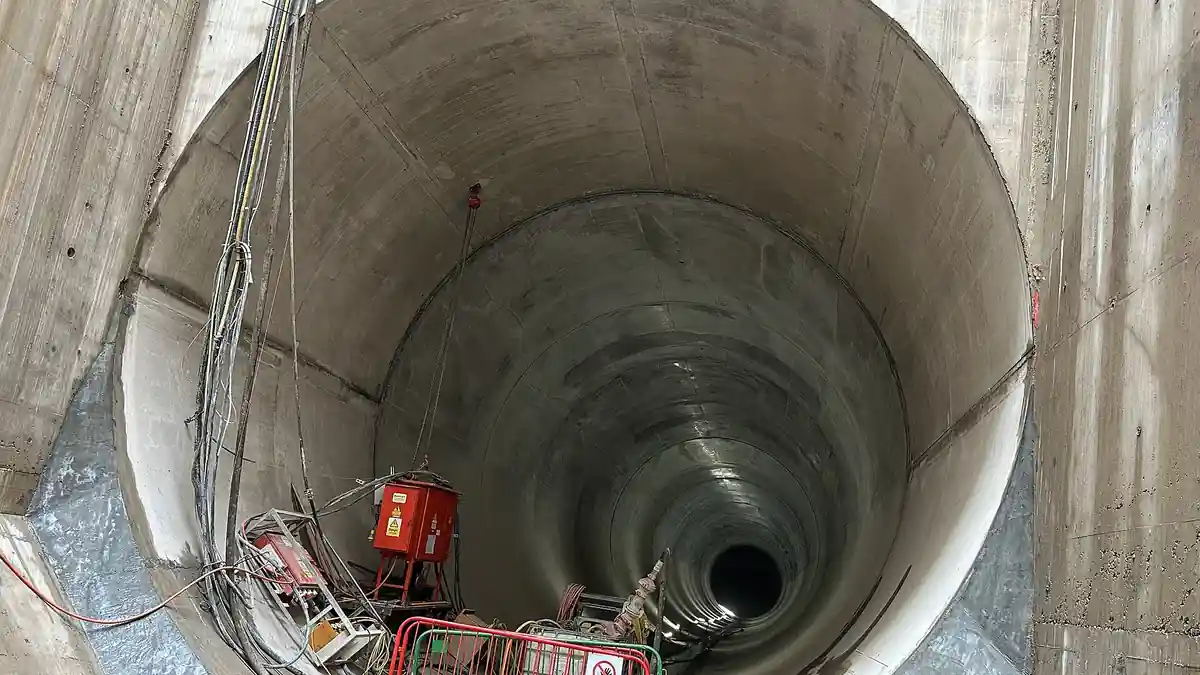
If you are one of the roughly 16 million customers who pay a water bill to Thames Water, you are living through two stories that rarely get told together. One says your river is being treated a little better than it was last year. The other says the company that supplies your water might not survive the next few months without a financial rescue that could still land back on your bill.
Environment Agency data released on 26 March 2026 shows storm overflow spills across England fell to 291,492 events in 2025, a drop of 35% from 2024, with total discharge hours down 48% to roughly 1.88 million hours from 3.6 million the year before. Thames Water’s own figures, drawn from the same official Event Duration Monitoring dataset, show the company discharged sewage from storm overflows for about 107,822 hours across 585 monitored outlets in 2025, down sharply from roughly 300,000 hours it reported for 2024. Thames Water sewage discharges have fallen, but the company remains one of the largest spillers of any water firm in England, and its finances are under separate, mounting strain.
If Thames Water collapses into Special Administration, taxpayers, not just billpayers, could end up covering some of the transition costs, while the £2.4 billion the company says it needs could still show up on future water bills regardless of who owns the company by then. Either path, customers already facing bill rises tied to sewage infrastructure investment have no guarantee the spending stops the spills for good.
What the 2025 storm overflow data actually shows
The Environment Agency’s annual Event Duration Monitoring return is the official record of how often and how long water companies release untreated sewage into rivers and coastal waters during storms, when treatment systems are overwhelmed. For 2025, the national picture improved on nearly every measure: spill events down 35%, total hours down 48%, and the average number of spills per overflow down to 20.5 from 31.8 the year before. EA Chair Alan Lovell welcomed the improved figures while stressing that gains need to be sustained, saying the Environment Agency “will continue to hold water companies to account where performance falls short.” Water Minister Emma Hardy struck a similar note, saying there is “still an unacceptable amount of sewage entering our waterways and a long way to go.”
Thames Water’s company-level numbers track that national trend. Its 107,822 hours of discharge in 2025 is a steep fall from the roughly 300,000 hours reported for 2024, a figure drawn from a UK Parliament committee report on the future of Thames Water and special administration. Part of that improvement is tied to the Thames Tideway Tunnel, the large storm-relief sewer built to cut discharge volumes into the tidal River Thames. The Tunnel was financed and constructed as a project separate from Thames Water’s parent company balance sheet, which matters for understanding where the financial risk actually sits.
Even with the improvement, Thames Water’s 585 monitored overflows and nine-plus thousand spill events in 2025 keep it among the highest-discharging companies in the country, a point regulators and campaigners have continued to raise alongside the wider pattern of water-quality enforcement gaps seen in other countries’ rivers and groundwater.
Thames Water’s financial crisis is a separate, and more urgent, problem
While the sewage data moved in the right direction, Thames Water’s balance sheet did not. The company carries around £19 billion to £20 billion in debt, with gearing, the ratio of debt to equity, sitting at roughly 86% to 88%. In July 2026 it drew down the final tranche of a £3 billion emergency loan, according to the UK Parliament Environment, Food and Rural Affairs Committee’s September 2026 report on the future of Thames Water and special administration. By mid-October 2026, the company was asking for an additional £2.4 billion, which would raise its total emergency facility to £5.4 billion, to avoid running out of money by late 2026 or early 2027.
A creditors’ proposal under discussion would write off £9.6 billion in loans in exchange for a recapitalisation. Thames Water has won majority support from its Class B creditors for a plan that writes off about £1 billion of Class B debt, with those creditors recovering roughly 5.9% of their holdings through equity instead. Cross-party MPs have urged the government to reject the wider £10 billion creditor takeover and rescue proposal. This is not the first rescue route the government has weighed in on: in June 2026, Environment Secretary Emma Reynolds objected to an earlier £10 billion rescue bid, warning Ofwat it would place an “undue burden” on consumers and risked delaying environmental improvements. The threat of a Special Administration Regime, effectively a government-run insolvency process comparable in principle to how Britain’s railways moved into public ownership in other sectors, has not gone away.
The same week Thames Water’s own spill numbers fell to their lowest level in years, the company was telling creditors it could run out of cash within months, which means the reduction in sewage discharge is coinciding with, rather than resulting from, a financial rescue that still has not been agreed. The infrastructure credited with cutting discharge, the Thames Tideway Tunnel, was built and funded as a project distinct from the parent company’s collapsing balance sheet, so the one measurable improvement in river quality sits institutionally apart from the entity that is close to insolvency.
For readers asking exactly how bad the discharge problem was this year: Thames Water discharged sewage from storm overflows for about 107,822 hours across 585 monitored outlets in 2025, according to Environment Agency data, down from roughly 300,000 hours the company reported for 2024, though it remains one of the highest totals of any English water company.
Thames Water’s 2025 numbers show real improvement in how much sewage reached English rivers, even as the company that owns the pipes edges closer to insolvency. Ofwat and the government have not yet decided whether to accept the creditors’ recapitalisation plan or move Thames Water into Special Administration, a decision that will shape both river water quality and household bills for years to come.