 Sunita Somvanshi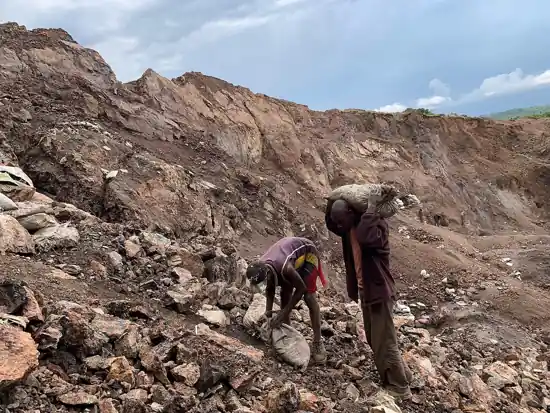
Buying a refurbished phone or keeping a device for longer can reduce demand for newly made electronics. But it is not accurate to say that every new phone is directly made with “slave labour,” or that one purchase can be traced to a particular mine. The more urgent, documented issue is that child labour and forced-labour risks persist in parts of the cobalt supply chain in the Democratic Republic of the Congo.
Cobalt is used in many lithium-ion batteries, including some used in electronics and electric vehicles. The Democratic Republic of the Congo is a major global source. In informal and artisanal mining areas, children can be exposed to dangerous work. The International Labour Organization is running a project specifically aimed at tackling child labour in the country’s artisanal cobalt sector.
A widely repeated estimate says about 40,000 children work in artisanal mines in southern DRC. That figure should be treated carefully: it is an estimate, not a current count of children in cobalt mines alone, and conditions differ between sites. The scale of the problem does not make it less serious. It does mean precise claims need evidence.
What the evidence says about cobalt risks
A U.S. Department of Labor report on forced labour in DRC cobalt mining describes serious risks in the sector. It found that Chinese-associated mine sites and facilities are widespread, and said their proximity to communities with high incidence of forced labour may be associated with the broader forced-labour landscape. That is not evidence that every mine owned by a Chinese company uses forced labour, nor that most cobalt mines are owned by China.
Supply chains are complex. Cobalt can pass through traders, processors, battery-material makers and manufacturers before reaching a consumer product. Companies and governments therefore have responsibilities that go beyond consumer choices: tracing material, protecting workers, enforcing labour law, supporting schooling and ensuring that responsible-sourcing programmes do not simply push families into deeper poverty.
For consumers, extending the life of a working device, choosing repair where practical and using reputable recycling channels can reduce waste and demand for new materials. These steps are useful, but they are not a substitute for enforceable safeguards at mines and throughout the battery supply chain.
Does buying a refurbished phone guarantee that no child labour was involved? No. Refurbishment can reduce the need for a newly manufactured device, but it cannot prove the labour conditions behind every component in the phone. Stronger due diligence and worker protections are needed to address those risks at source.
The evidence supports a clear conclusion: labour-rights risks in parts of the DRC cobalt sector are real and require action by companies, governments and buyers. It does not support treating every miner as enslaved, every new electronic product as directly linked to abuse, or Chinese ownership as a complete explanation of a much wider supply-chain problem.