Govind Tekale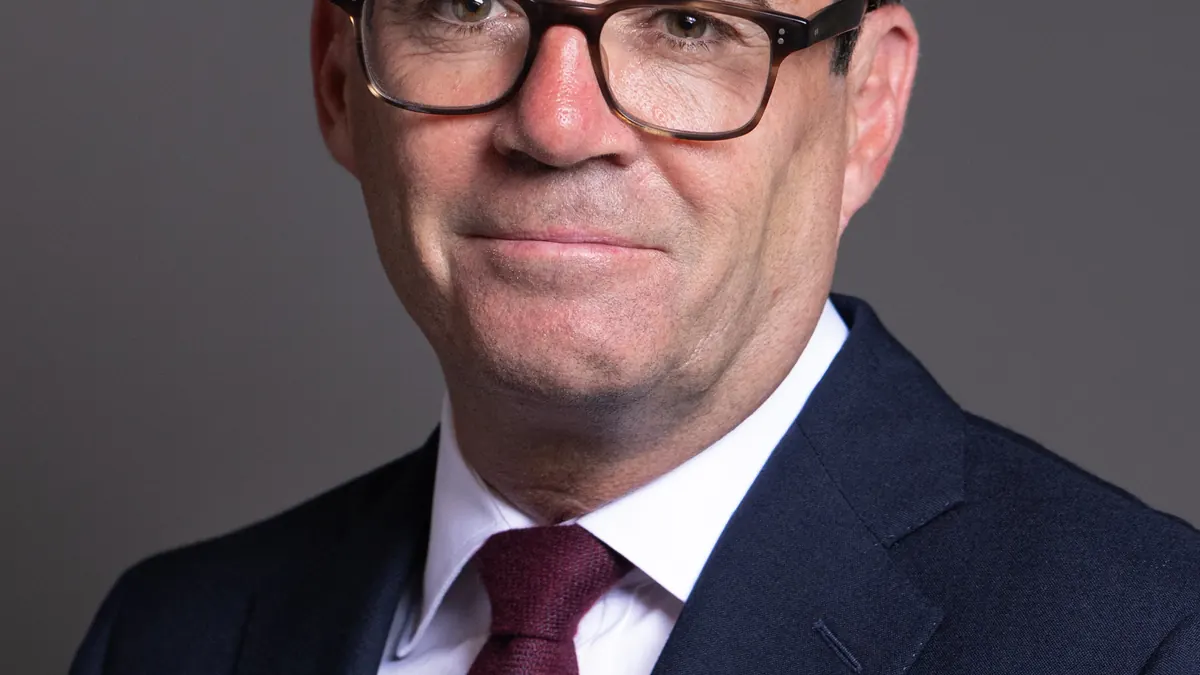
Eight days after the story of a foiled plot at RAF Fairford first broke, the United Kingdom moved from investigation to formal accusation. Prime Minister Andy Burnham addressed the House of Commons on October 12, 2026, stating that the incident was "highly likely" to have been coordinated in Iran, and "almost certainly" directed by Iran's Islamic Revolutionary Guard Corps. The shift from a localized security investigation to a formal state attribution is the material development that changes what this story means for UK defense and diplomatic policy.
Burnham's parliamentary statement was accompanied by diplomatic and financial responses. Foreign Secretary Ed Miliband summoned the Iranian ambassador to the Foreign, Commonwealth and Development Office. Home Secretary Shabana Mahmood announced sanctions on two individuals accused of conducting espionage and attacks for Iran in Europe and the United States, with further sanctions promised. The UK, the United States, and more than 20 allied nations issued a joint statement condemning the IRGC's pattern of hostile activity through covert networks and proxy actors. Tehran rejected the claims as "unfounded and malicious speculations." The earlier RAF Fairford B-1B bomber withdrawal article reported on the initial security response; this is the government's formal intelligence conclusion that follows that phase.
UK defense personnel, Gloucestershire residents near military corridors, and diplomatic policy analysts face heightened domestic alert levels following Prime Minister Andy Burnham's formal parliamentary attribution. International businesses and trade operators must monitor compliance policies against any incoming UK Treasury sanctions targeting IRGC-linked financial networks and affiliated Iranian state entities.
What Changed Between the Initial Breach and Burnham's Statement
When the plot first became public, government language described suspects under investigation and a security response at the base. Burnham's statement on October 12 went further: the government assessed the incident was directed by a state-backed entity rather than independently radicalized actors. That formal attribution elevated the diplomatic response to a ministerial level, with the Foreign Secretary personally summoning the Iranian ambassador.
Seven people arrested in connection with the incident have been released on bail. None have been charged. UK contempt of court principles require care in reporting on individuals who may face proceedings.
Prime Minister Burnham's decision to name the IRGC directly from the dispatch box represents a sharp escalation from the government's cautious language just a week prior, suggesting UK intelligence moved from assessing a localized perimeter breach to treating the Fairford incident as a state-directed operation against British territory.
Calls within Parliament to formally proscribe the entire IRGC as a terrorist organization—a measure that has been debated previously—may be renewed in the coming weeks following this attribution. Check back here when Tehran issues its formal diplomatic response and when the next stages of the investigation become public.