 Rahul Somvanshi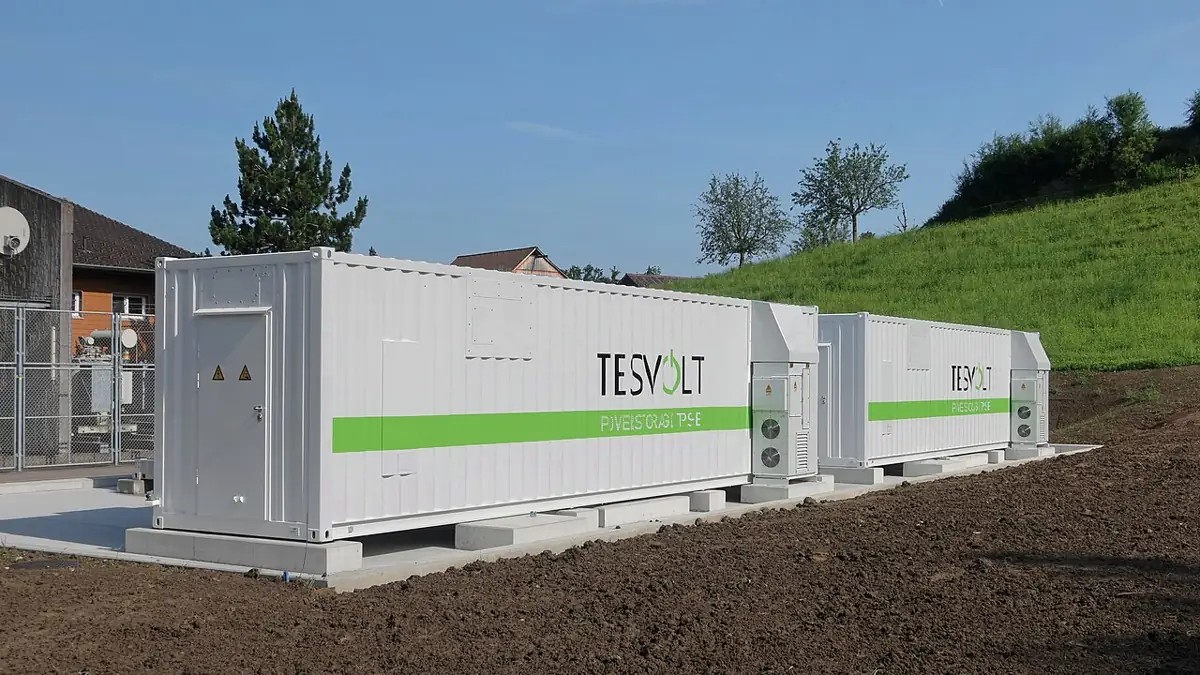
Estimated reading time: 2 minutes
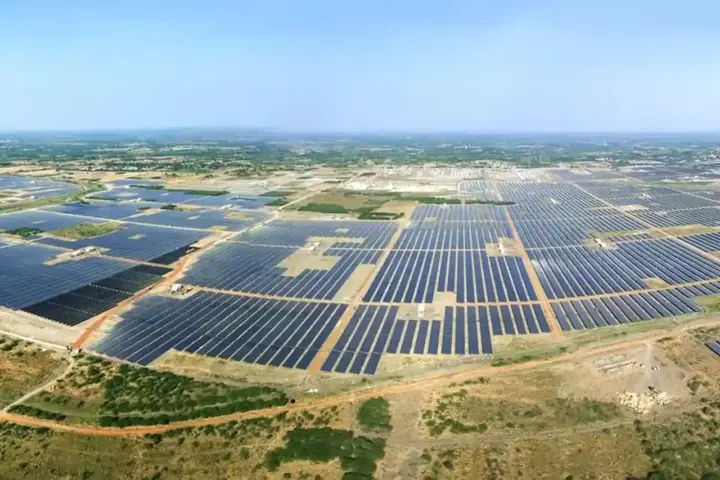
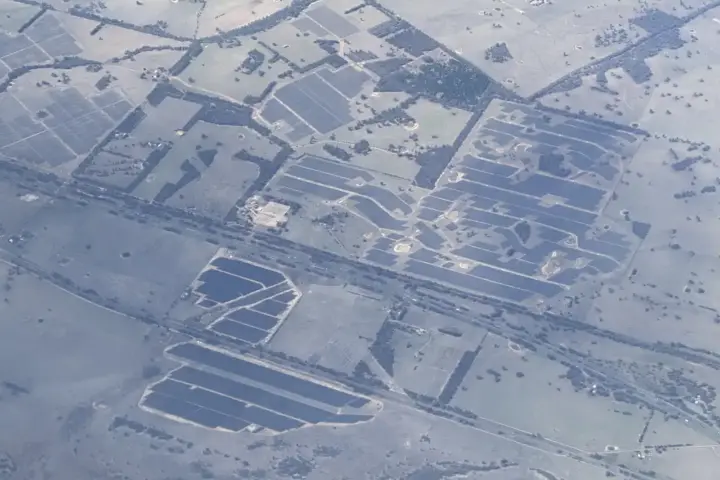
Italy just took a significant step toward reliable solar power. Octopus Energy Generation and ZE Energy announced a partnership on a battery storage system in southern Italy. This isn’t just another energy deal—it demonstrates how technology solves one of renewable energy’s biggest challenges: what happens when the sun stops shining.
The partnership centers on a 98.5 megawatt/895 megawatt-hour standalone battery facility in Sessa Aurunca, Campania, southern Italy. This one secured a 15-year MACSE contract with Terna, Italy’s system operator, and could power approximately 130,000 homes daily when operational in 2028.
Octopus Energy brings artificial intelligence into the picture through its Kraken system—an energy operating platform that controls and manages the battery in real time. This isn’t simple on-off switching. The system constantly monitors energy demand patterns, weather forecasts, and market prices to decide the best moments to charge or discharge. For consumers and grid operators, this means more stable electricity supply and fewer blackouts.
This approach represents a shift happening across Europe’s energy sector. Instead of building massive new power plants, companies are deploying smarter systems that squeeze maximum efficiency from existing renewable capacity.
Italy faces the same challenge as most European countries: renewable sources like solar are clean but unpredictable. Sunlight varies by season, weather, and time of day. Without storage solutions, excess power during peak production gets wasted. Battery technology paired with smart software creates flexibility that electrical grids desperately need.
The partnership between Octopus Energy Generation and ZE Energy represents a significant investment in Italian energy infrastructure. This project secured a 15-year contract with Terna, Italy’s system operator, demonstrating long-term commitment to renewable energy storage.
These projects demonstrate that renewable energy isn’t just about panels and turbines anymore. Storage and intelligent management systems are becoming equally critical. As heatwaves and droughts make energy demand less predictable, systems like these provide insurance that the grid can handle spikes without fossil fuel backup plants.
Italy’s position as a testing ground for these technologies strengthens Europe’s path toward meeting climate targets while maintaining reliable electricity supply. The technology works. What remains is scaling it across the continent at the pace climate change demands.