Sunita Somvanshi
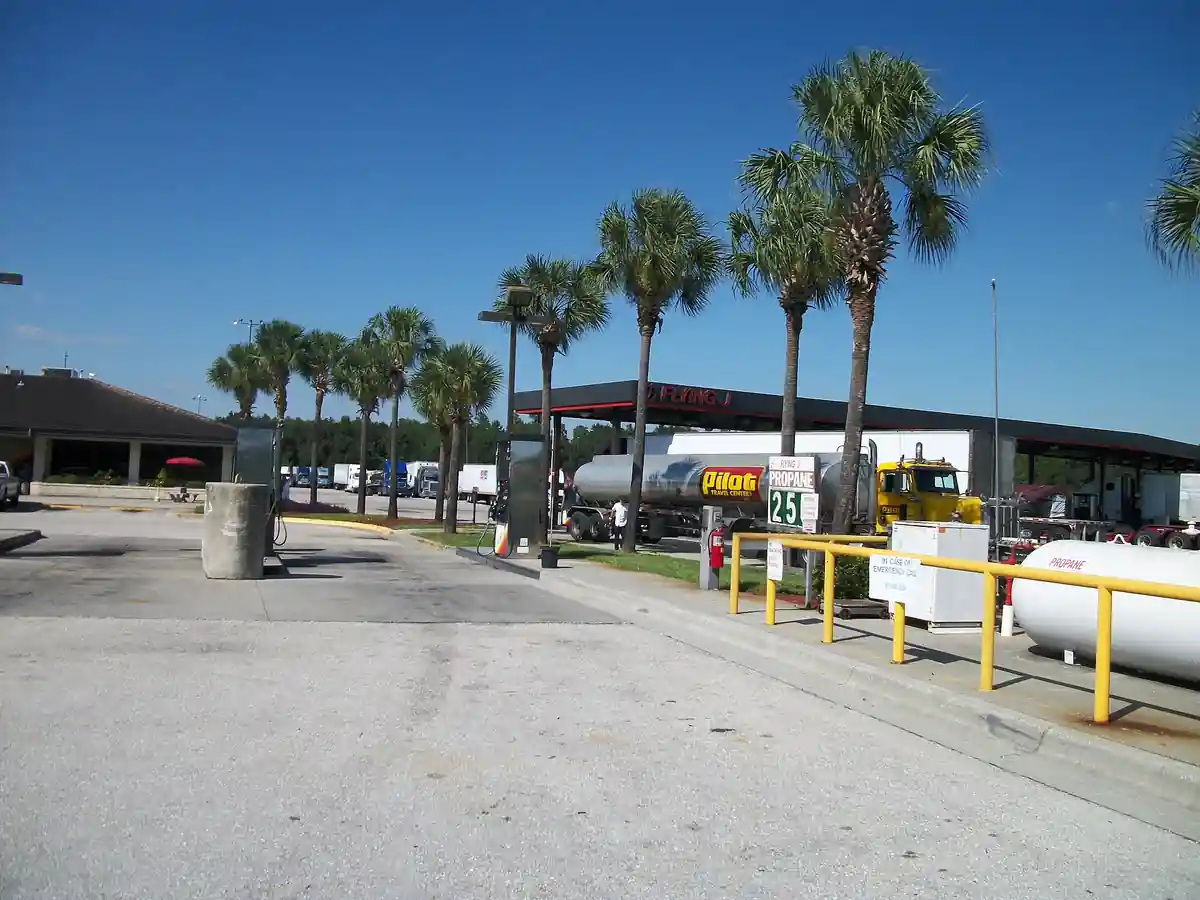
Regular gasoline is running at roughly $4.29 a gallon nationally as of this weekend, and diesel is trading at around $6.32 — a more than $2 spread between what passenger car drivers pay at the pump and what commercial trucking operators pay to keep goods moving. That gap has direct consequences for what you pay at the grocery store, and it is not narrowing.
AAA’s national average for regular unleaded gasoline stood at approximately $4.29 per gallon on October 25, 2026. Diesel averaged approximately $6.32 per gallon nationally on the same date, representing a premium of more than $2 a gallon above gasoline. Diesel powers virtually all heavy-duty commercial freight trucks and is the dominant fuel for rail freight and agricultural equipment. Every dollar of diesel-price premium that trucking operators absorb either reduces their margins or passes directly into freight rates and ultimately into shelf prices across the supply chain.
Do not mistake relatively stable passenger gasoline prices for broad inflation relief in the goods you buy. Because commercial transportation runs almost exclusively on diesel, the persistent $2-plus premium on heavy distillates means trucking and freight expenses remain elevated. Supermarket and durable goods prices are unlikely to ease significantly as long as the diesel-gasoline spread stays at current levels heading into the holiday shopping season.
Why Diesel and Gasoline Are Moving in Different Directions
Gasoline and diesel are both refined from crude oil, but they come from different parts of the refinery process and serve fundamentally different markets. Diesel is a middle distillate — in the same refinery fraction as home heating oil — and competes for the same output as furnace fuel used across the northeastern US during winter. As heating demand builds through November, the refining industry faces competing claims on middle distillate supply, which tends to keep diesel prices elevated relative to gasoline through the heating season.
The more than $2 a gallon diesel-gasoline spread is one of the widest sustained differentials seen in recent years. For trucking companies that move perishable goods, the freight surcharges built into distribution contracts with grocery chains and retailers do not automatically reset when crude oil prices ease — they track diesel costs with a lag, meaning consumers feel the price of diesel at the shelf even when gasoline at the pump looks stable.
The Energy Information Administration’s Weekly Petroleum Status Report tracks both fuel prices in detail. Current EIA energy price data shows the diesel crack spread — the refinery margin on diesel versus crude — has remained elevated through the fall season, reflecting the compounding effect of tight middle distillate supply heading into peak heating season.
Winter heating oil demand typically peaks between November and February in the northeastern US. That seasonal pressure on middle distillate supply historically keeps diesel prices elevated through the holiday season. Freight costs for food, packaged goods, and anything with a significant trucking component in its supply chain are unlikely to ease materially until that seasonal demand cycle runs its course.