 Govind Tekale
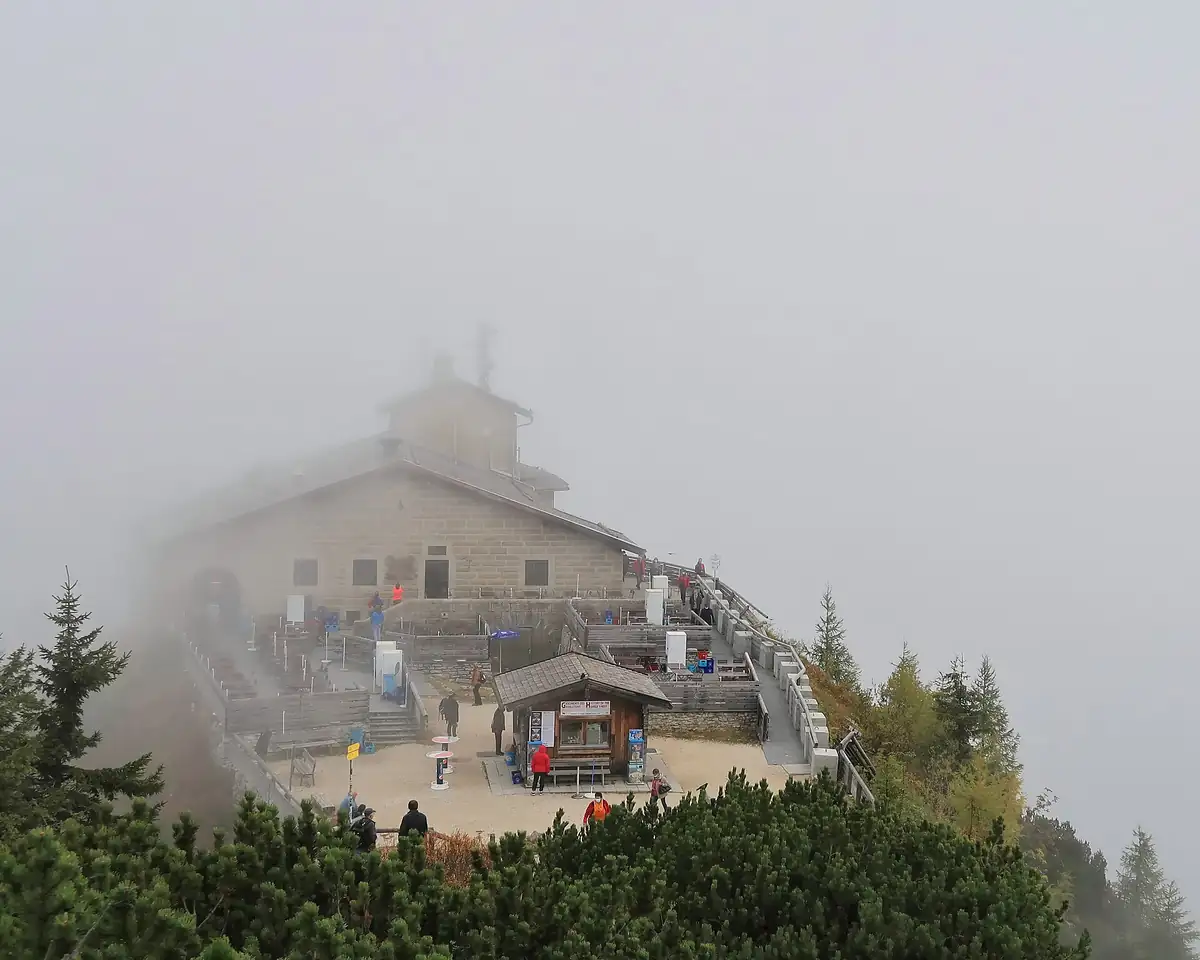
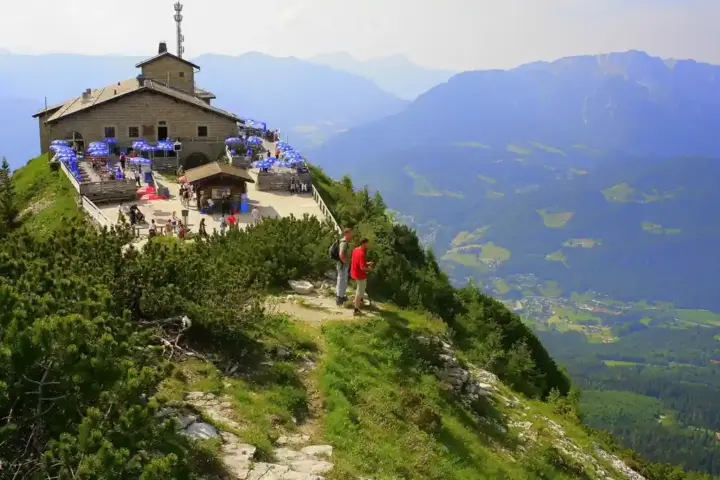
A fire under investigation as suspected arson damaged much of Adolf Hitler’s former mountaintop retreat in the Bavarian Alps over the weekend, causing millions of euros in structural damage and prompting Bavarian officials to pledge reconstruction before the site becomes an uncontrolled gathering point for extremists.
The blaze tore through the Kehlsteinhaus — known internationally as the Eagle’s Nest — on the night of October 23 and into October 24, burning at an elevation of approximately 1,834 meters above the Bavarian town of Berchtesgaden. German police arrested a 33-year-old German man in connection with the fire shortly afterward. The suspect has been placed in a psychiatric facility pending formal charges, with prosecutors noting the suspect showed signs of mental illness. Bavarian Interior Minister Joachim Herrmann confirmed the arrest and the scope of the structural damage, describing it as amounting to millions of euros. The stone exterior framework remains standing, but extensive interior and roof damage has been confirmed.
Travel access to the Obersalzberg peak and the Kehlsteinhaus is closed indefinitely as structural engineers complete alpine stabilization assessments. Visitors with planned Bavarian alpine itineraries will need to reroute. Reconstruction, which is expected to focus on anti-fascist historical documentation, will take multiple years.
The Kehlsteinhaus is not a Nazi shrine. Since 1952, the site has been operated exclusively as a public restaurant and historical education center by a Bavarian charitable foundation, with proceeds directed to charity. The foundation’s approach was deliberate: by running the site as a normal restaurant and visitor destination, Bavarian authorities worked for decades to remove the glamour from the Nazi association and prevent the location from developing a cult mythology.
Fighting the fire presented logistical challenges beyond a typical rural blaze. At over 1,834 meters, freezing winds and early snowfall constrained access along the steep, narrow mountain switchbacks, and ground crews were forced to pull back overnight due to worsening structural collapse risks. Ground water supply infrastructure at that elevation is limited, and access routes are steep. Firefighters worked under conditions that made containment far slower than comparable low-altitude fires would allow.
Bavarian officials moved quickly to announce reconstruction specifically because leaving the building in permanent ruin would risk reversing the foundation model. A damaged historic site with Nazi associations, left untouched and publicly accessible, can attract exactly the kind of attention seventy years of charitable management worked to prevent. The pledge to rebuild was a policy decision as much as a heritage one.
The arson suspect faces criminal proceedings. Trial coverage is expected in the months ahead. For context on how European heritage sites with complex wartime histories manage preservation and public access, Karmactive has covered similar decisions across the continent. Follow Karmactive world news for updates on the criminal case and reconstruction timeline.