Rahul Somvanshi
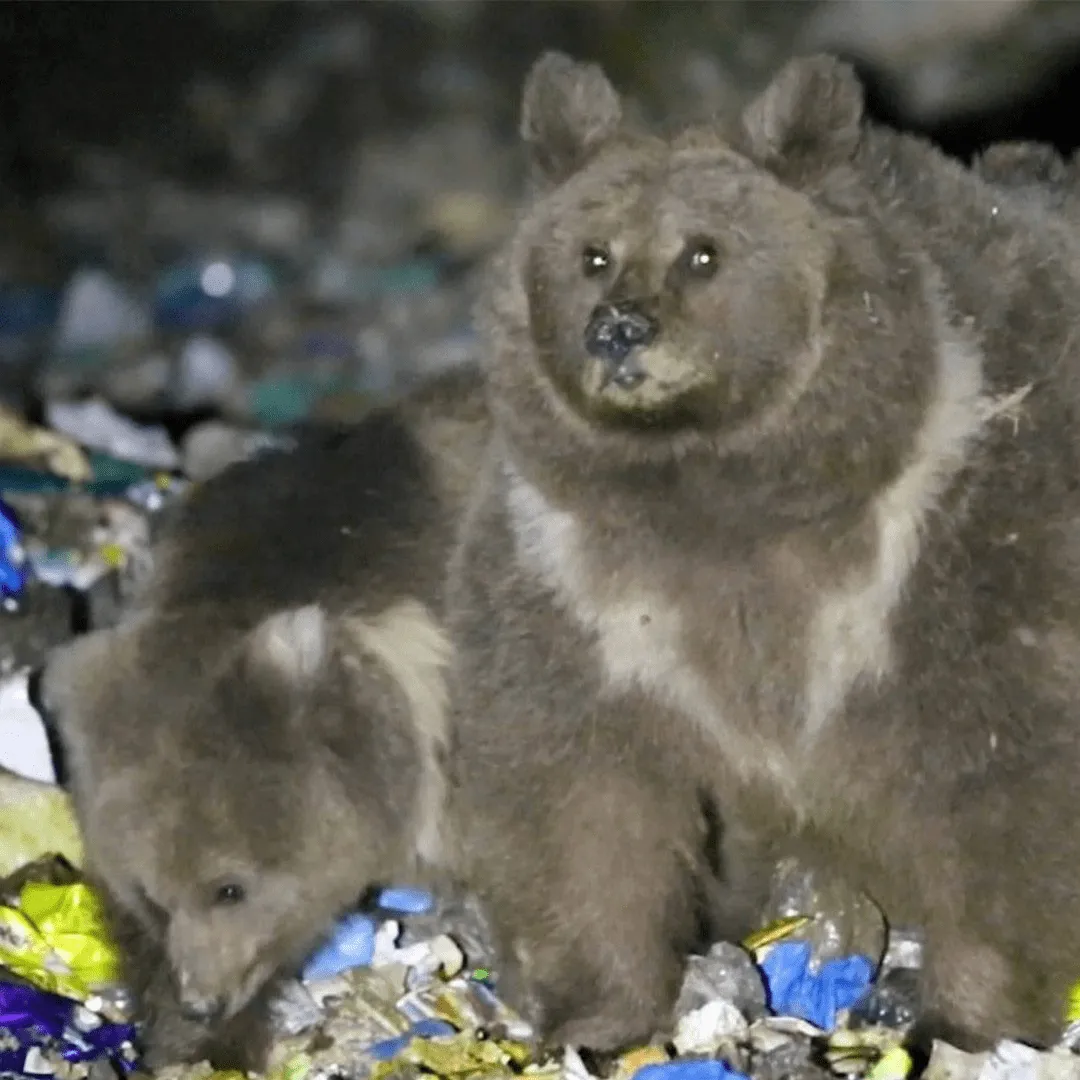
Camera traps and genetic hair snares across the French Pyrenees have captured at least 16 new brown bear cubs from 9 separate litters in 2026—the strongest reproductive season in the mountain range’s modern conservation history. The data comes from the Office Français de la Biodiversité (OFB) and Réseau Ours Brun autumn monitoring bulletin, published October 20, 2026, and should be considered provisional pending full-season verification. Cubs were detected across the central Pyrenees in Ariège and Haute-Garonne, with new sightings confirmed in the Béarn sector of the western range. The Pyrenean brown bear (*Ursus arctos*) population is now estimated at approximately 108 individuals—a figure unimaginable twenty years ago.
The headline number is real. The problem underneath it is also real.
While spotting 16 new cubs in the Pyrenees looks like a rewilding victory, raw numbers can be dangerously deceptive. Without sustained attention to genetic diversity, the Pyrenean population remains vulnerable to long-term inbreeding depression. True long-term conservation demands continued political will from European policymakers to monitor genetic health and provide mountain shepherds with funded protection tools to ensure human-wildlife coexistence thrives.
The Genetic Challenge: Why 108 Bears Are Not Out of the Woods
The Pyrenean brown bear population was rebuilt through multiple introduction phases: bears were brought from Slovenia initially in the 1990s—most critically including the male Pyros, introduced in 1997—and further introductions followed in 2006 and 2018 to add new genetic lines. Despite these efforts, OFB and CNRS geneticists working with DNA microsatellite analysis have confirmed a persistent concern: the male Pyros became so dominant a breeder that approximately 90% of today’s population carries his lineage. The resulting lack of genetic variety raises concerns about disease resistance, cub survival, and long-term fecundity across successive generations.
Inbreeding depression does not announce itself in one dramatic generation. It accumulates: reduced juvenile immune resilience, subtle skeletal malformations, declining female fecundity, and increasing cub mortality across successive cycles. Continued monitoring of genetic diversity metrics—not just raw cub counts—will be essential to determining whether the population is genuinely healthy or simply large on paper.
Pastoralists in the affected departments remain anxious about livestock predation, and their concerns are legitimate and well-documented. Livestock guardian dogs (*Patous*) and funded electrified night enclosures have reduced—but not eliminated—predation incidents. Both tools need continued government investment if coexistence is to hold. Conservation biologists and agricultural unions must negotiate these solutions together, rather than treating the bear population question as a binary choice between farming and ecology.
Why is genetic diversity a concern for Pyrenean brown bears? Most brown bears in the Pyrenees today trace a significant portion of their ancestry to a small number of Slovenian founders, with the male Pyros particularly dominant. Although bears were introduced in multiple phases including 2006 and 2018, genetic diversity remains a concern, as extensive lineage overlap reduces disease resistance, can lower cub survival rates, and may undermine the population’s long-term viability even as raw cub counts continue to rise.
OFB comprehensive annual monitoring continues, and each season’s bulletin will provide updated figures on reproductive success and genetic trends. Previous Karmactive coverage of global apex predator monitoring through camera traps shows this challenge is not unique to Europe; Katmai brown bears and the broader mass extinction framework anchor this story in its planetary context.
—