 Govind Tekale
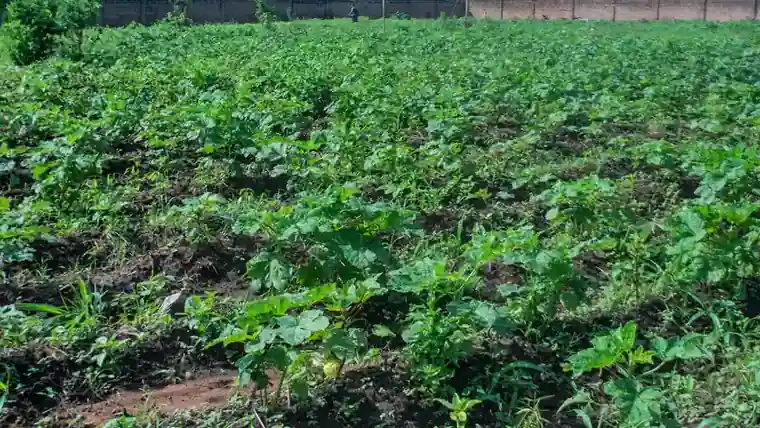
Farmers and gardeners in the United States are working to preserve Palestinian heirloom seeds while farmland and food systems in Gaza face severe damage from the war. The effort, called the Seed Protectors Project, connects growers with seed varieties stewarded by Palestinian families and the Palestinian diaspora.
Project organisers say about 40 U.S. growers are involved. They describe a New Jersey growing effort in which more than 9,000 seeds were produced in one 2024 season at City Green Farm Eco-Center, after Palestinian American seed steward Lana Mustafa sought additional growing space.
The project is linked to the Palestine Heirloom Seed Library, based in Battir in the West Bank. It was launched in 2024, according to the project account. Organisers say U.S. rules can limit seed imports, so many of the varieties being grown in the United States were carried and preserved through Palestinian diaspora communities.
Saving seeds, protecting food heritage
One variety highlighted by the project is Bamyeh Falastinia, a tall okra plant described by growers as a traditional Palestinian food crop. Seed saving can preserve locally adapted varieties, but it also requires careful labelling, isolation from unwanted cross-pollination, disease management and records of provenance.
The project says its longer-term aim is to return seeds to Palestinian growers when conditions allow. Whether and when that can happen will depend on movement restrictions, phytosanitary requirements, access to land and the safety of farmers and communities.
Agriculture under pressure in Gaza
The reel cites an assessment that only 1.5% of Gaza’s farmland remained both undamaged and accessible after 2023. That is a reported assessment, not a figure Karmactive independently recalculated. Agricultural damage and access conditions can change rapidly as the conflict, displacement, unexploded-ordnance risks and humanitarian access evolve.
Seed preservation does not replace urgent food assistance or the restoration of farms, irrigation, soil and markets. It can, however, help protect crop diversity and cultural knowledge that might otherwise be lost during prolonged disruption.
Source note: Project-specific figures in this article are attributed to the Seed Protectors Project as described in the supplied video. City Green and the Palestine Heirloom Seed Library websites were checked for organisational context. The Gaza farmland statistic is presented as a reported assessment.