Rahul Somvanshi
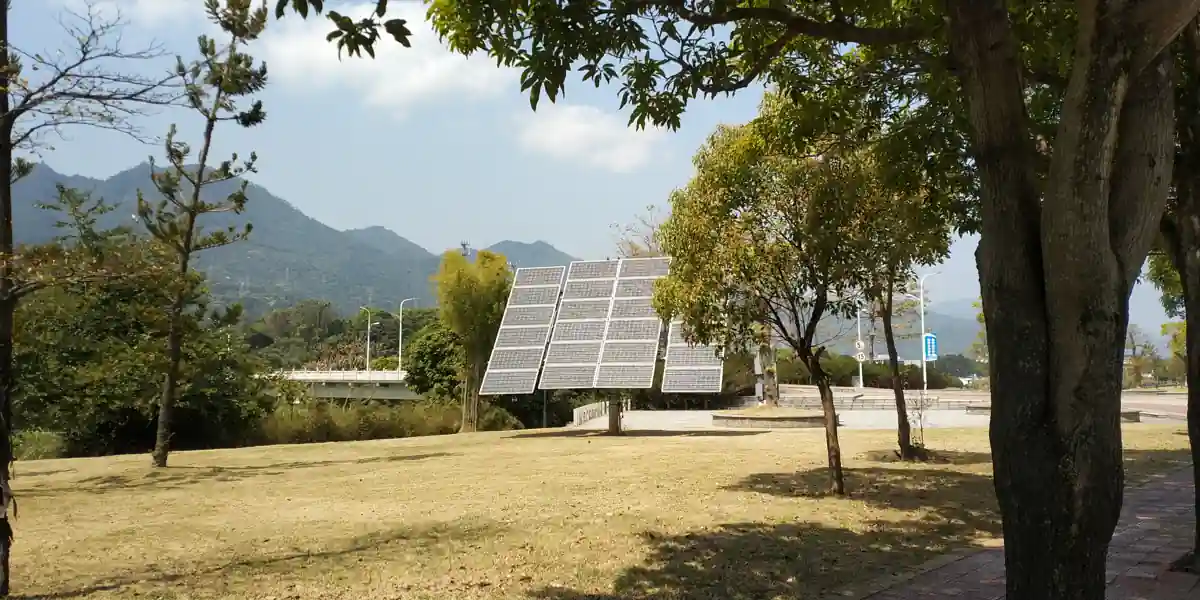
Could the United States run on solar panels packed into a 100-mile-by-100-mile area? A viral claim says it could. The short answer is that an area of that size may be enough to generate a very large amount of electricity under favourable assumptions, but it is not a complete plan for powering the country.
A 100-mile square covers 10,000 square miles. Whether that land could match national demand depends on panel efficiency, how closely arrays are spaced, the local solar resource, losses, and the difference between peak output and electricity available when people need it. Those inputs vary widely, so a single area figure is not a verified national blueprint.
The scale of the challenge is clear. The U.S. Energy Information Administration says total U.S. electricity consumption was about 4.20 trillion kilowatt-hours in 2025. That is annual demand, not a measure of the capacity needed at a particular hour.
Generating Power Is Only One Part of the Job
Solar output changes during the day and with weather. A solar project therefore needs other resources, storage, demand management, transmission links, or a combination of these to help meet demand after sunset and during periods of low production. The more a system depends on one distant generation area, the more its transmission and reliability design matters.
The viral estimate also treats land as though every square metre produced the same output. In practice, developers need space between rows, access roads, electrical equipment and buffers. Desert locations can have strong solar resources, but transmission routes, environmental review, water needs for some cleaning practices, land rights and local impacts are separate questions.
Would a 100-mile-by-100-mile solar farm power the United States? It could theoretically produce a large share of U.S. annual electricity under optimistic assumptions. But annual energy is not the same as reliable round-the-clock supply. A real system would require geographically diverse generation, grid upgrades and resources that cover hours when solar output is low.
The strongest point in the reel is that sunlight is an abundant energy source. Its weak point is the leap from a land-area calculation to a workable national power system. The practical question is not only how many panels fit in one place, but how electricity is delivered reliably across seasons, regions and times of day.
Solar power can play a major role in a lower-carbon grid. Karmactive has also examined the scale of national solar targets in China’s wind and solar plans. The 100-mile square is best understood as a rough thought experiment, not a proven engineering plan.