Rahul Somvanshi
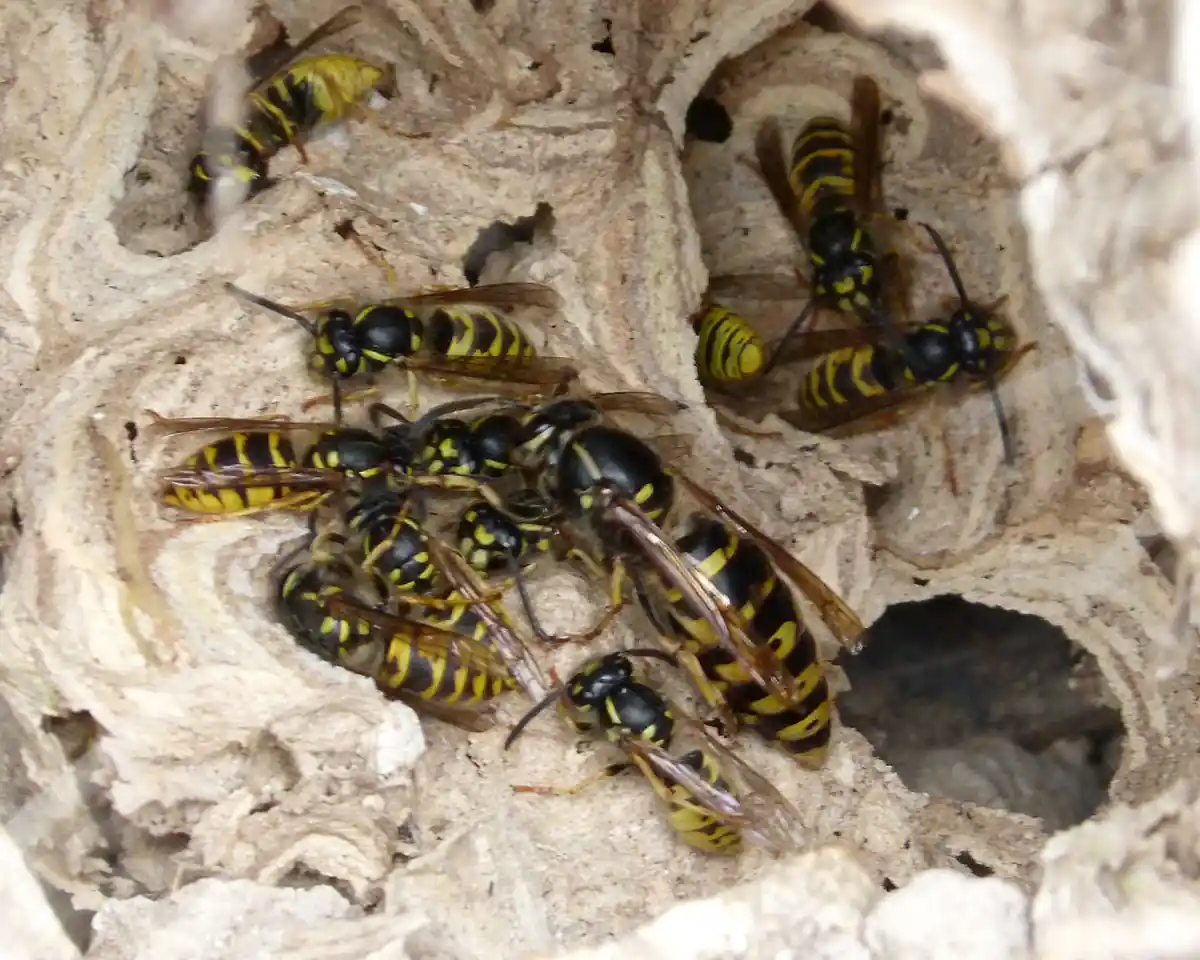
Each spring, many people in the UK look out for the first swallow of the year. The first swallow sighting has now been removed from the UK Spring Index. In its place, the index uses the first sighting of a queen common wasp. If you plant, watch wildlife or simply track the seasons, the change affects how spring is measured.
Wasp queens replace swallows in the UK Spring Index. The change appears in the 2026 update to the UK Biodiversity Indicators, published on 17 November 2026 by JNCC. The index now tracks four events: first flowering of hawthorn and horse chestnut, first recorded flight of an orange-tip butterfly, and first sighting of a queen common wasp. Between 1998 and 2025, the average spring date was 21 April. That is 11.4 days earlier than the 2 May average for 1891 to 1947. The year 2025 was the earliest spring on record, replacing 2011.
What this means for you is a change in how spring is measured. Flowers, insects and birds do not all respond to warming at the same rate. JNCC Biodiversity Indicators Manager Joe Taylor said: “When flowers, insects and other species respond to warming at different rates, they can fall out of step with each other.” For a gardener, that could mean pollinators arriving after the blossom has passed. The index does not measure individual garden plants, so this is a risk, not a measured result.
Why Swallows Were Dropped From the Spring Index
JNCC, Defra and the Woodland Trust reviewed the indicator with the Biodiversity Indicators Steering Group. They found that swallow arrival responds less to UK spring temperatures than the other events in the index. Swallows spend winter in Africa. They start their northward journey before British spring conditions arrive, so their timing depends on conditions in Africa and along the migration route. Queen wasp first sightings show a stronger relationship with UK spring temperature.
The change also shifted the numbers. Under the old method, the index showed a 9-day advance for 1998 to 2025. With queen wasps, the advance is 11.4 days. JNCC attributes the 2.4-day difference to the swap of marker species. The same update also revised the 1891 to 1947 series for missing years and made small revisions to the Central England Temperature (CET) series.
Spring 2025 coincided with the second warmest April in the Central England Temperature series, after 2011. Its own analysis also shows the index advances more rapidly when the mean March and April temperature equals or exceeds 7°C. Put simply, swallow arrival depends on conditions in Africa and along the migration route, while queen wasp sightings track UK spring temperature more closely. Swallows leave their African winter grounds before British spring conditions arrive, so their arrival tells us less about our own spring. Swapping that one marker moved the measured spring forward by 2.4 days. The choice of marker can change the result the data shows.
Why did queen wasps replace swallows in the UK Spring Index?
JNCC, Defra and the Woodland Trust replaced swallows in the 2026 update because swallows winter in Africa and start migrating before UK spring conditions arrive. Their arrival responds less to UK spring temperatures than the other events in the index. Queen common wasps show a stronger relationship with UK spring temperature, so the index now uses them as one of four spring markers.
When was the earliest spring on record in the UK?
The earliest spring on record in the UK was 2025, according to the UK Spring Index. It replaced 2011, which held the record before. Spring 2025 also coincided with the second warmest April in the Central England Temperature series, which has records going back to 1659.
How does an earlier spring affect UK bees, wasps and wildflowers?
Species that respond to warming at different rates can fall out of step with each other. JNCC has flagged this as a potential pressure on nature. The index does not measure bee or flower timing directly, so the exact effect on any single species is not shown in this data.
The UK Spring Index now uses four events, with queen wasps in place of swallows. Between 1998 and 2025, the average spring date was 11.4 days earlier than in the 1891 to 1947 period, and 2025 set the earliest spring on record. The Central England Temperature series, which dates back to 1659, provides the temperature context. The 1998 to 2025 dates draw on Nature’s Calendar observations. For more on broader climate change pressures, read our report on the imminent threat of AMOC’s collapse, our Flamingos missing in Rann of Kutch video, and our Giant Anteater recorded in Argentina reserve.