Rahul Somvanshi
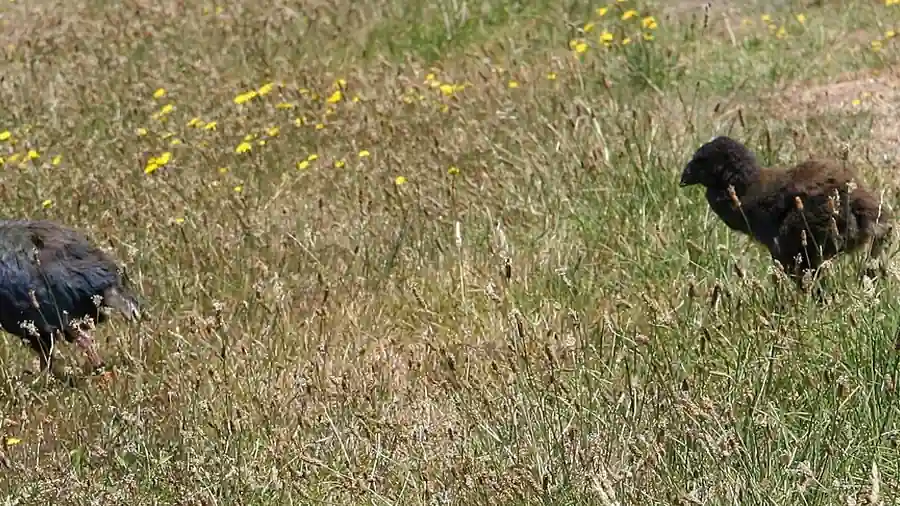
First takahē chick hatches at Pūponga, Onetahua/Farewell Spit, after eight threatened native birds were moved to the site in May. The Department of Conservation (DOC) and the Onetahua Restoration Project announced the news on 18 November 2026, offering an early result from a local restoration effort.
The chick hatched in early October. Its parents were not an established breeding pair when they arrived from Gouland Downs on the Heaphy Track. They formed a new partnership after the move. Eight takahē were released at Onetahua/Farewell Spit on 27 May 2026.
Protection around the new takahē site
The Onetahua Restoration project covers about 12,000 hectares. A completed four-kilometre predator-resistant fence provides an additional layer of protection for about 2,000 hectares within that landscape. The fence is one part of the work at the site, alongside pest management and habitat restoration.
Pest control targets possums, rats and other introduced pests. Specific stoat operations are under way, and feral cat control is planned. That work adds useful context to Karmactive’s earlier report on stoat trapping in the takahē recovery effort.
Visitors can help by keeping distance
DOC asks visitors who see takahē at Onetahua/Farewell Spit to enjoy sightings from a distance. The guidance is simple: do not approach or follow the birds. The request is especially relevant as the site receives visitors and conservation teams continue work around the new family.
The local partnership includes Manawhenua ki Mohua, HealthPost Nature Trust, Pest Free Onetahua and DOC. The wider Takahē Recovery Programme is supported by Fulton Hogan and the New Zealand Nature Fund, and works with Te Rūnanga o Ngāi Tahu. The restoration landscape also provides habitat for native wildlife, a theme shared by the return of the chevron skink to Aotea.
An early result after the move
The sequence is clear: eight birds arrived in May, two previously unpaired takahē formed a partnership, and a chick hatched in early October. The public announcement followed in November. DOC and the partners will continue monitoring the birds and maintaining the restoration work that supports the site.
For now, the hatch is a verified milestone for Onetahua/Farewell Spit. Visitors can support the effort by giving the birds space and following guidance at the site.