Rahul Somvanshi
Six Countries Join Science-Led Global Coalition to Protect Climate-Resilient Coral Reefs at COP31
If you live near a coral reef, or rely on one for fishing or tourism, you have probably wondered whether it will survive. Six more countries have now joined a global effort to protect the reefs most likely to withstand rising ocean temperatures.
Colombia, Niue, Haiti, Jamaica, Samoa, and Tuvalu formally joined the High-Level Climate-Resilient Coral Reefs Commitment at COP31, the UN climate summit held in Antalya, Türkiye. The Wildlife Conservation Society (WCS) published the announcement on November 20, 2026. With the six additions, the commitment now has 30 signatories: 29 countries and one French overseas territory. More than 50 supporting organizations also back it. The coalition first launched at the UN Ocean Conference (UNOC3) in Nice, France, in June 2025 with 11 governments and 22 partners. The campaign is led by WCS, WWF, and The Nature Conservancy through the Our Reefs, Our Future initiative. The launch event also highlighted early support from Bloomberg Philanthropies, the Global Fund for Coral Reefs, the Global Environment Facility, and the International Coral Reef Initiative.
The commitment is voluntary. Signing governments pledge to prioritize coral reefs with the greatest potential to survive climate change.
The 50 Reefs+ Science Behind the Coalition
The coalition’s work rests on a large global study. The 50 Reefs+ study, published in the journal Environmental Research Letters, draws on more than 45,000 real-world coral surveys. Researchers used those surveys to find reefs with the best chance of surviving warming. The study identifies climate-resilient reefs in at least 79 countries and 57 territories.
The catch is coverage. Only about 30 percent of these climate-resilient reefs sit inside protected or conserved areas. That means most of the reefs with the best odds of lasting through warming currently lie outside protected or conserved areas.
The study’s purpose is to identify the reefs most likely to survive rising ocean temperatures.
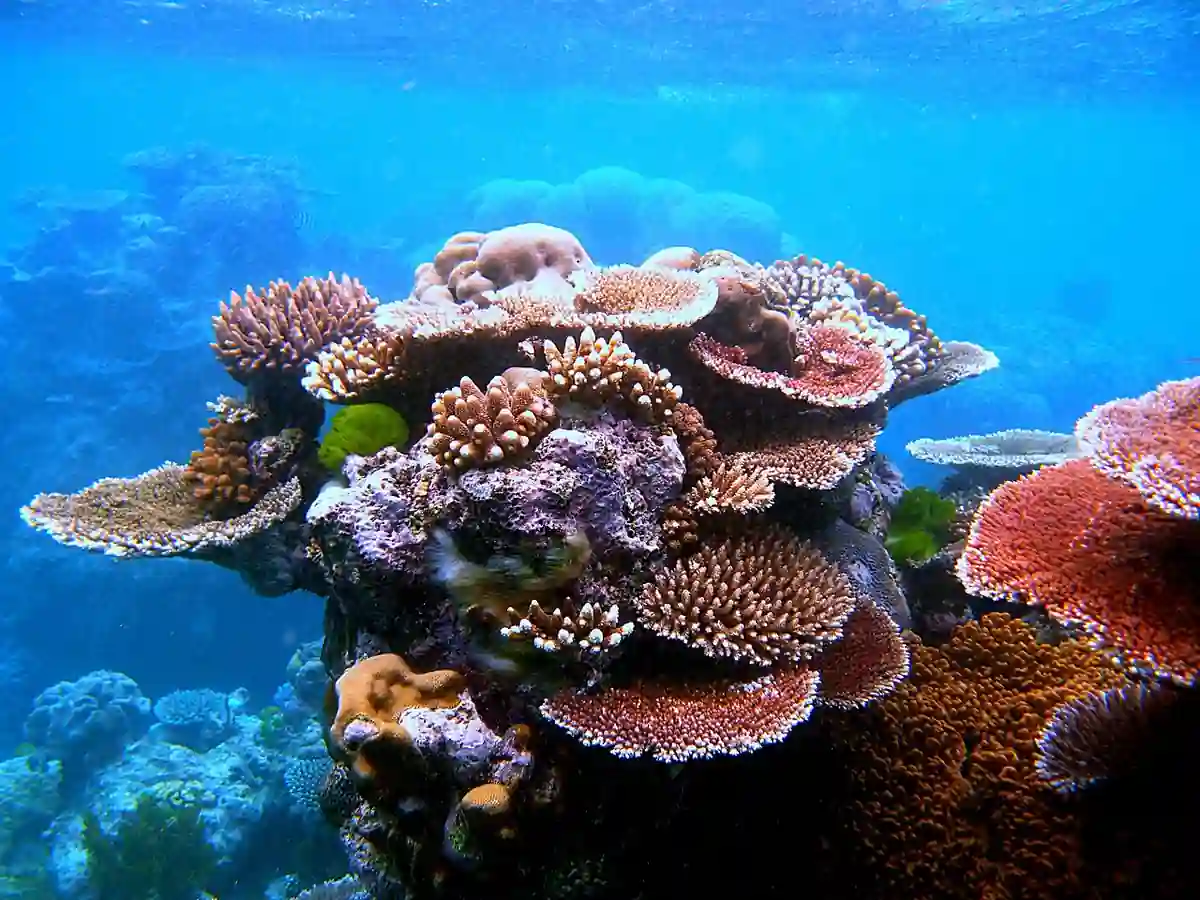
Coral reefs cover less than 1 percent of the ocean floor, yet they support at least 25 percent of known marine species. Ecosystem services are the benefits nature provides to people, such as food, storm protection, and income. Reefs can cut wave energy by an average of 97 percent, acting as natural breakwaters for shorelines. Reef fisheries supply more than half of the protein consumed by people in coastal tropical regions. Marine recovery stories like the Kemp’s ridley sea turtle nests surge show how protection can deliver measurable results. Reef ecosystem services are estimated to be worth $2.7 trillion a year. Projects beyond reefs are also under way. Our report on a 2,000-acre kelp farm off Ventura, which the California Coastal Commission approved in September 2026, gives one example.
Six new governments joined the coral reef commitment at COP31, lifting the coalition to 30 signatories backed by more than 50 organizations. The 50 Reefs+ study, built on more than 45,000 surveys, finds climate-resilient reefs in at least 79 countries. Only about 30 percent of those reefs sit inside protected or conserved areas today.