 Karmactive Staff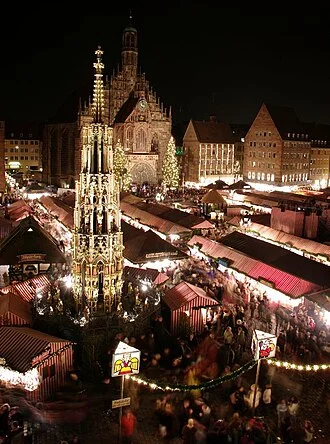
Christmas markets throughout Europe, and increasingly in North America, open in December 2026, offering seasonal gathering spaces filled with food, crafts, decorations, and the particular joy of shopping for handmade items in outdoor spaces draped with lights. Traditional markets in cities like Vienna, Prague, Strasbourg, and Berlin attract millions of visitors. These markets offer both genuine pleasures and practical considerations worth thinking through. Christmas market overview.
Local artisans selling handmade goods represent something genuinely different from mass-produced items. A scarf hand-knitted by someone you might meet, wooden toys carved by craftspeople whose names you know, honey from a beekeeper’s hives—these gifts carry stories. They often cost more than identical factory items, but they support people making livelihoods from their work rather than enriching distant corporations. Shopping at markets directs your money toward people in your own or neighboring communities.
Waste reduction at markets starts before you arrive. Bringing your own bags for purchases, carrying a reusable cup for mulled wine or hot chocolate, and bringing containers for foods like cheese or bread eliminates the need for disposable packaging. Many market vendors, especially those who’ve been operating for years, expect reusable containers and are equipped to fill them. This approach takes a bit more intention than buying wrapped items, but it’s faster than waiting in checkout lines and costs less.
Food at markets represents diverse regional specialties. Gingerbread cookies, roasted chestnuts, candied fruits, chocolate, cheese, and spiced wine are traditional offerings. These foods are often made by the vendors themselves or sourced from local producers. Buying food at markets supports those producers directly. If you’re buying food to bring home rather than eating it on-site, choosing items that keep well—dry goods, jams, preserved items—means they’ll be eaten rather than wasted.
Safety at crowded markets requires basic awareness. Markets during December weekends can be packed with people. Keeping valuables secured, traveling with companions rather than alone, and using the buddy system with children prevents both theft and people getting separated. If you’re with elderly relatives or young children, choosing quieter times—weekday evenings or earlier in December before the final rush—makes the experience more enjoyable and less overwhelming. Markets typically stay open through early January, so you don’t have to go on the busiest days.
Fire safety at outdoor markets matters. Vendors often use open flames for roasting chestnuts or heating food. Wooden structures and cloth decorations are common. Fire marshals typically oversee permit conditions and safety requirements, but being aware of where exits are, not blocking them, and following vendor guidance if any problem arises keeps everyone safer.
Food safety involves choosing foods that are cooked properly and kept at appropriate temperatures. Roasted items and foods served hot are safer than foods that have been sitting at room temperature for hours. Vendor setup and cleanliness vary. Markets where stalls are regularly inspected and vendors’ food handling is monitored are safer than informal operations. This is one area where you’re depending on local health officials to have done their work.
Decorations at markets—lights, garland, wreaths—are worth enjoying without necessarily purchasing. Many people visit markets purely for the atmosphere, the food, and the human gathering rather than to shop. That’s completely valid and reduces both spending and waste.
If you’re traveling to a market in another country, getting travel documents in order well before December matters. Passport expiration, visa requirements if applicable, and travel insurance all deserve attention. Travel during peak season means booking accommodations and transportation in advance rather than expecting to find things last-minute.
Christmas markets exist because communities decide to create gathering spaces around winter, light, food, and connection. Those spaces bring people together, support artisans and local businesses, and create memories. Shopping there rather than online means supporting that ecosystem while also getting genuine items that often carry more meaning than mass-produced alternatives. This December, if markets are accessible to you, consider visiting one. Walk slowly, notice the people and the craftsmanship, and if you buy something, let it be something you genuinely love rather than something just because you’re there. Oktoberfest 2026 offers sustainable travel guidance. London Design Festival 2026 explores sustainable design.