 Karmactive Staff
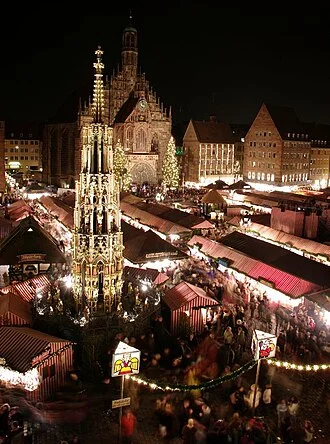
Christmas arrives on December 25, 2026, marking one of the year’s biggest holidays for Christian families and a secular celebration moment for many others. The season sprawls across weeks, from November through the new year, and involves gift-giving, decorating, gatherings, and travel. Each part of that process offers chances to celebrate in ways that align with care for people, animals, and environments. Christmas overview.
The Christmas tree itself is one of the first decision points. Real trees versus artificial trees is a common question, and both have merits and trade-offs. Real trees are grown on farms as a crop, often on land that wouldn’t otherwise support forest. They’re 100 percent biodegradable—most communities accept them for mulching or composting after the holidays. Trees stay fresh for several weeks if you keep the water filled. The act of selecting a tree, bringing it home, and watching it hold ornaments creates a specific kind of ritual. But real trees do shed needles, require space, and need to be disposed of somehow after the season. Christmas tree environmental impact is well studied.
Artificial trees last for many years, so their environmental impact spreads across a decade or more of use rather than concentrating in one season. A plastic tree used for ten years has a smaller annual footprint than buying a real tree every year. But artificial trees are typically made from PVC plastic and shipped long distances, and most end up in landfills eventually. If you choose an artificial tree, keeping it for as many years as possible matters. If your family has used the same artificial tree for five or more years already, you’re likely making the more sustainable choice by continuing with it. If you’re buying new, renting shared trees through some community programs is an option in some areas, though availability varies widely.
Decorations don’t require constant replacement. Vintage ornaments, glass balls, paper chains made with your household, and strings of lights you’ve had for years are genuinely lovely. If you’re tempted to buy new decorations, setting a budget and choosing pieces you’ll love for many seasons helps. Handmade decorations—paper snowflakes, salt dough ornaments, painted clay figures made by kids—carry real meaning and zero packaging waste.
Gifts are where many households generate the most waste. Wrapping paper, packaging, plastic toys in elaborate boxes, and items that won’t be used all accumulate through December. A few shifts help. Asking gift-givers what you actually need or want, rather than receiving surprises, means less waste and higher satisfaction. Giving experiences—concert tickets, classes, museum memberships, or time together—creates memories without physical stuff. For items that do make sense to give, checking whether they’re durable, repairable, and genuinely wanted reduces the chance they’ll become clutter. Wrapping paper, while traditional, creates waste. Cloth gift bags, newspaper, kraft paper, or fabric scarves that become part of the gift all work beautifully.
Food during Christmas often means large meals with family. Planning portions carefully, cooking what will actually be eaten, and having containers ready for guests to take leftovers home prevents food waste. Potluck-style gatherings where each person brings a dish spread the work and often result in better food with less waste than one person preparing everything.
Christmas travel is worth planning with safety in mind. Whether you’re driving or flying, giving yourself extra time, checking weather forecasts, and maintaining your vehicle all reduce stress and risk. If you’re driving, keeping an emergency kit in your car—blankets, first aid supplies, jumper cables, flashlight—means you’re prepared for unexpected problems. Flying near the holidays means crowded airports. Arriving early, following security guidelines closely, and keeping patience in mind for delays helps everyone move through the process more smoothly. If you’re traveling with children, packing snacks and entertainment makes the journey easier for everyone.
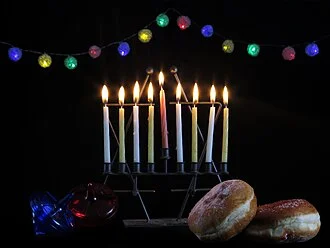
Fire safety deserves attention if you’re lighting candles or using decorative lights. Space heaters and fireplaces can present fire risks if used near flammable decorations. Keep wrapping paper, garland, and cloth away from heat sources. Test smoke detectors before the season to make sure they work. If you have a fireplace, having it cleaned and inspected before heavy use prevents chimney fires.
The season naturally brings excess—of shopping, eating, gathering, and consuming. You don’t need to abandon celebration to make different choices. You can still have joy, connection, and ceremony while also being thoughtful about waste, energy use, and safety. This Christmas, consider what parts of your celebration matter most—whether that’s time with specific people, a particular meal, or a tradition you’ve always loved—and build your season around those anchors rather than around consumption. The holidays will be no less bright for it. Ziro Festival 2026 offers zero-waste travel ideas.