 Sunita Somvanshi
Switzerland formally adopted a new national security strategy on September 18, 2026, setting out 10 objectives and 46 specific measures that shift the country toward what the Federal Council calls a “comprehensive approach to security.”
The strategy, approved by the Swiss Federal Council following a consultation process that ran from December 2025 through March 2026, represents the most structured update to Swiss security thinking in recent years. It covers hybrid threats, critical infrastructure dependencies, natural hazards, remote attacks, and drone defense. The full strategy document is published on the Federal Council website at admin.ch. Parliament had called for “immediate action” on these priorities as early as December 2025, providing the impetus for the accelerated development timeline.
The strategy does not end Swiss neutrality. Switzerland is not to join any military or defence alliance under the new framework. What changes is the scope of what the government considers security work — and how fast it moves.
Switzerland is actively shifting from a narrower security posture to a “comprehensive approach to security,” meaning domestic resilience, defense capabilities, and cooperation with partner states all fall within the same strategic framework. In practice, this means Swiss military and civil authorities will modernize specific capabilities, tighten critical infrastructure protection, and cooperate more formally with partner states — all without joining NATO or abandoning the legal status of neutrality.
What the 46 Measures Actually Cover
The strategy groups its measures across areas including cyber threats, energy supply chains, critical infrastructure, hybrid and remote attacks, organized crime, and conventional military modernization. Parliament’s directive to the Federal Council to take immediate action as early as December 2025 drove a faster-than-usual timeline for approval, which came through in September 2026.
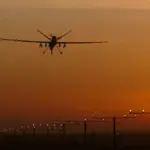
The drone focus reflects a European-wide recognition that unmanned systems have changed the risk calculus for non-combat nations as much as for those directly involved in conflicts. Switzerland shares borders with Germany, France, Austria, Italy, and Liechtenstein. From 2028, the Swiss army will have a drone battalion — a concrete capability target written into the implementation framework.
The 2028 date also marks a formal progress-reporting deadline: the Federal Council is required to publish an implementation report by the end of 2028, covering progress against all 46 measures. That provides a built-in accountability checkpoint for the strategy’s full execution.
The European Context
Switzerland’s strategy shift is happening as European countries broadly increase defense spending and tighten security cooperation frameworks. The Swiss approach is notable because it explicitly names hybrid threats — influence operations, disinformation, and critical infrastructure attacks — alongside conventional military concerns, reflecting a broader European recognition that the distinction between peacetime and conflict has become less clear.
Swiss citizens and European security analysts watching this development will find the clearest signal in the Parliament-driven timeline. When Switzerland’s Parliament calls for action ahead of the executive’s preferred schedule on a security matter, it reflects a shift in the domestic political debate around what the country’s obligations are to its own population.
Is Switzerland Still Neutral?
Switzerland remains legally committed to military neutrality and will not join NATO or any military alliance. What changes under the 2026 strategy is the definition of security work. Cyber defense, critical infrastructure protection, drone systems, and cooperation with partner states on hybrid threats are all classified as security activities that neutrality does not prohibit. The country is doing more, and faster, while remaining legally neutral.
Will Switzerland Build Drone Battalions?
Yes. The Federal Council’s 2026 strategy states that from 2028, the Swiss army will have a drone battalion. Parliament directed the Federal Council to take immediate action on drone defense as early as December 2025, driving the accelerated timeline.
The next formal checkpoint on Switzerland’s security strategy is the Federal Council’s progress report, due by the end of 2028. Check back for coverage as implementation develops.