Sunita Somvanshi

Ziro Festival 2026 runs from September 24 to 27 in Arunachal Pradesh, and visitors should prepare for more than music. The official festival material frames Ziro around community, culture, sustainability, waste reduction, composting, and care for the land. That makes the packing list part of the event experience.
A good Ziro plan starts with reducing single-use plastic before the journey begins. Pack a reusable water bottle, reusable food container, cloth napkin, small cutlery set, refillable toiletry containers or solid toiletries, a torch, basic medicine, rain protection, comfortable footwear, and a bag for carrying waste until it can be disposed of properly. Avoid snack packets and disposable items that will become a problem once you reach the valley.
Travel planning should also be realistic. Ziro is not a quick city commute. Visitors need to plan the route, buffer time, local transport, permits, cash access, phone connectivity, weather, and accommodation before leaving. The official festival travel guidance says foreigners travelling to Arunachal Pradesh need a Protected Area Permit, and Indian citizens need an Inner Line Permit, arranged before the journey. Sharing rides where practical can reduce both cost and emissions on the final road leg. Last-minute travel creates pressure on local systems and often leads to more waste.
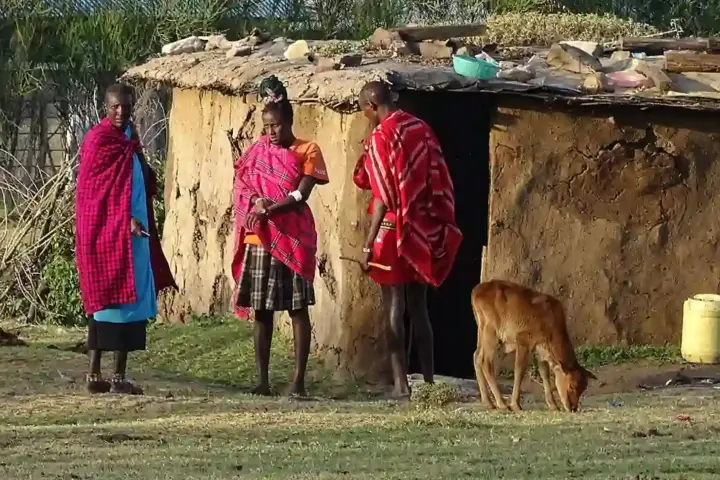
Respect for the host community should be stated clearly. Visitors are guests on community land. Ask before photographing people, homes, farms, or ceremonies. Do not enter private spaces because they look scenic. Buy from local vendors where possible, follow festival instructions, keep noise under control away from performance areas, and do not treat the valley as a disposable backdrop for social media. See also: festival waste management. See also: heat safety at events. See also: sustainable festival travel. See also: circular economy. See also: environmental impact.
Waste behaviour on site should follow the festival’s own sustainability direction. Use official bins and waste stations. Keep food scraps, plastic, and packaging separate where the system asks for it. If something cannot be handled on site, carry it back. Do not leave tents, broken footwear, bottles, wrappers, batteries, or toiletries behind. A campsite is not clean until nothing from your group remains.
Health and safety planning should be practical. Carry personal medicine, a rain layer, warm clothing for evenings, a torch, a charged phone, and a power bank. Move in groups at night. Keep emergency contacts saved offline. If weather or travel delays change the plan, slow down rather than rushing through unfamiliar roads or dark paths.
The sustainable way to attend Ziro is to arrive prepared, use less, ask before acting, and leave no trace. The festival’s appeal comes from music, landscape, and community. Protecting all three is part of being a responsible visitor.