 Karmactive Staff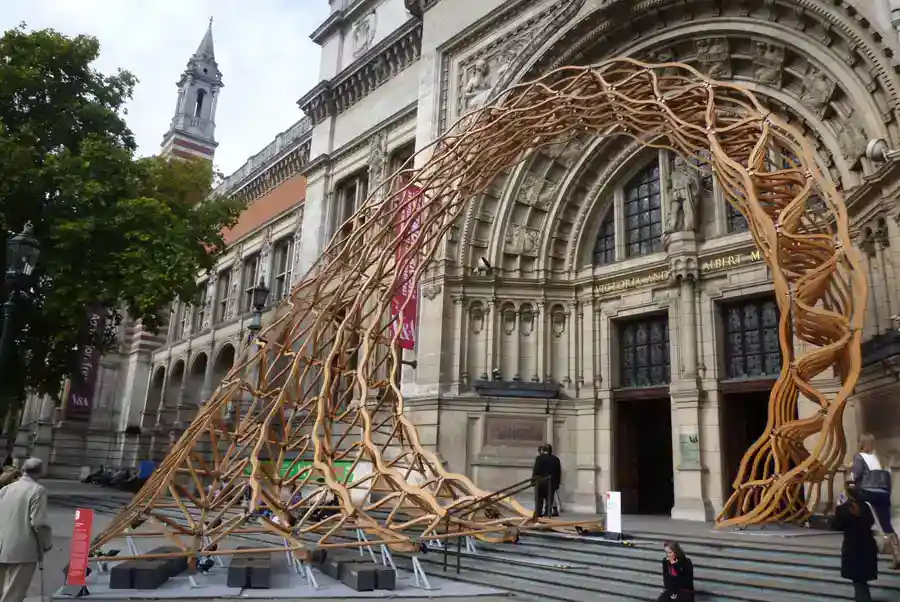
London’s Design Festival sprawls across the city from September 12-20, and for visitors and residents, the scale itself becomes the planning challenge. The 24th edition features installations in multiple design districts, a Global Design Forum, and partner exhibitions across galleries, museums, and public spaces. The real decision—for most people—is not whether design matters, but how to move through a sprawling festival without treating it as a checklist of every event. A strategic visitor can spend three days exploring circular-material design, public-space installations, and repair-focused work without crossing the city repeatedly or relying on car trips that consume the time and energy you intended for art. The festival’s angle on sustainability ranges from genuine; some installations tackle material waste and design durability; others use green language as window dressing. Understanding the difference, prioritizing events that align with your values, and building a route that respects London’s public transit limits can transform a dispersed festival into a focused, low-stress experience. London Design Festival official
The London Design Festival 2026 runs September 12-20, 2026 across multiple neighborhoods and institutions. The official program includes exhibitions, talks, installations, and partner events at Design District locations: Southbank, London Bridge, Shoreditch, Hackney, and Brompton Design District. The Global Design Forum takes place across the city, featuring talks on design’s role in sustainability, supply chains, and community resilience. Many Design Festival events are free or low-cost, especially public installations and neighborhood walk routes—verify current pricing on the official site before traveling. The festival’s history dates to 2003 (inferred from the 24th edition in 2026; not directly confirmed on the official page). It has grown from a single district event into a citywide program that attracts designers, students, architects, and curious residents. The festival now faces pressure to justify its own sustainability: thousands of visitors traveling by car or multiple transit journeys to scattered events generate carbon impact. Festival organizers have responded by expanding free public installations, creating neighborhood-focused routes to reduce cross-city travel, and showcasing designers who work with recycled and renewable materials. However, not all Design Festival participants are equally transparent about their environmental commitments. Some brands use the festival to display aspirational design without addressing production waste or material sourcing. Visitors are left to distinguish between work that embodies circular principles and work that merely aestheticizes them. London.gov.uk
For visitors, the first decision is picking a design district or theme rather than trying to experience the entire festival. Shoreditch and Hackney concentrate on independent makers, smaller studios, and experimental work; these districts tend to showcase material experimentation, upcycled pieces, and design that addresses repair or reuse. Southbank and London Bridge include major museum exhibitions and institutional work; these spaces tend toward larger-scale installations and established designer work, which can be more polished but also more resource-intensive to produce. Brompton Design District focuses on commercial showrooms and established furniture brands; this area offers beautiful work but often shows consumption rather than durability or radical rethinking. Choose one or two districts and build a half-day or full-day route within those areas. Using London’s transit network—buses and the Underground—costs far less than car rides and puts you on the same public space as other festival visitors. Many Design Festival events publish their locations with transit directions; prioritize events within a ten-minute walk of a tube station or bus stop. This single choice—staying within a walkable area—reduces your carbon footprint, cuts cost, and lets you move at a pace that feels human rather than rushed. UK circular economy India circular economy
When you enter a design exhibition, ask yourself what problem the work actually solves. Does the piece use materials that are genuinely renewable or recycled? Is the design built to last, repair, or be disassembled? Does it address real waste challenges or create new waste through manufacturing? Some Design Festival work shows lasting solutions; a designer using agricultural waste fibers, building furniture to be easily repaired, or creating modular systems that adapt as lives change is working toward genuine circular design. Other work looks circular; sleek recycled-plastic furniture, minimalist “sustainable” products, or one-off art pieces that won’t exist in five years. The festival includes both. You don’t need to dismiss aspirational work, but you can prioritize time and attention toward makers actually pushing the field forward. Attend talks or artist statements that explain the work’s origins and intent. Independent designers and smaller studios tend to be more transparent about their process, constraints, and failures. They’re also more likely to discuss why their work exists rather than simply displaying it. Recycled Plastic Swimwear Art from waste
Design festivals work because they offer permission to think differently about the objects and spaces we live with. A well-planned visit—staying within a focused area, seeking out genuine material innovation, and moving through the city by transit rather than car—respects both that opportunity and London’s capacity to host it. The festival is held in public space and sponsored by city resources; attending mindfully is a form of gratitude for that investment. Design Council UK
When is London Design Festival 2026? What is it about? Which events focus on sustainable design? The London Design Festival 2026 runs September 12-20 across five design districts and citywide venues. It focuses on product design, architecture, installations, public space, and design’s social and environmental role. Sustainable-design-focused events cluster in Shoreditch and Hackney, where independent makers and experimental studios often display work; the Global Design Forum features talks on circular design, material sourcing, and supply-chain transformation. The official program lists all events, venues, and transit directions on the Festival’s website. Many events are free; paid exhibitions range from five to fifteen pounds—verify current pricing on the official site. Plan transit before arriving and use buses or the Underground rather than car journeys.
A design festival in a dispersed city is only enjoyable if you stop trying to see everything. Choose a district, build a route, spend a full day in one area, and notice what you actually observe rather than how many events you completed. That pace—slow, observational, grounded in transit and walking—is also what design education asks of people. You’re learning to see by doing this carefully.