EPA Chemical Safety Settlements Top $1.3 Million Across California and Arizona
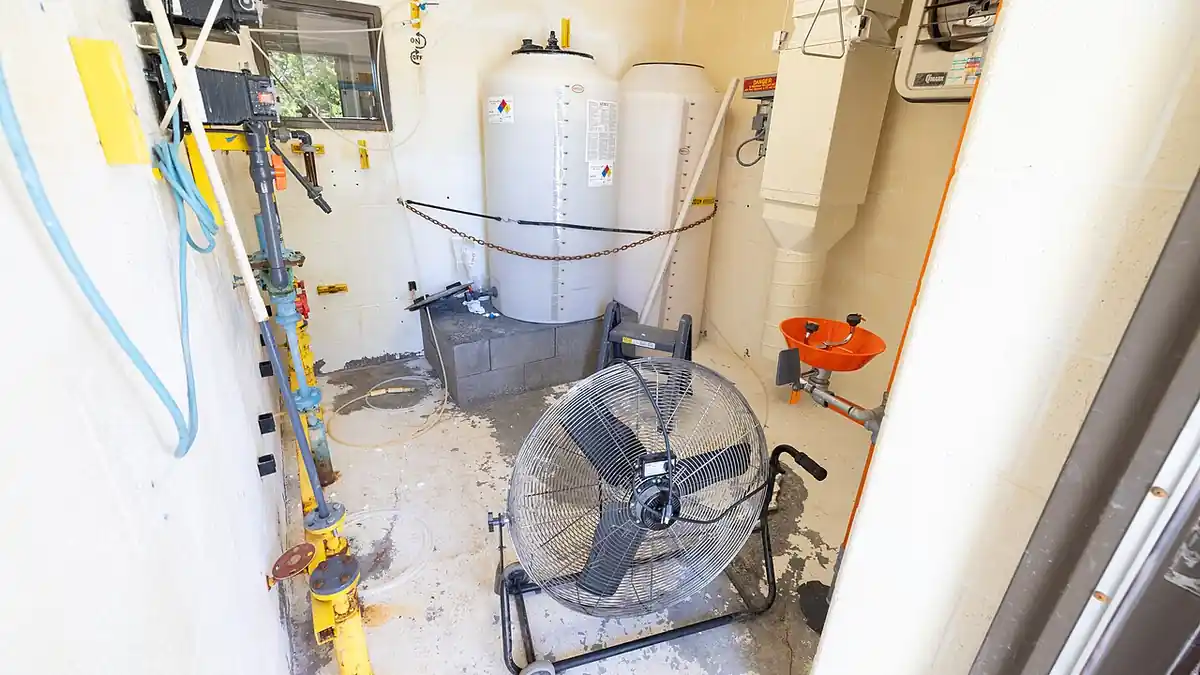
Live or work near a plant that stores ammonia or chlorine gas? New EPA Clean Air Act settlements in California and Arizona could matter to you. Federal regulators reached deals with eight companies over alleged chemical safety violations. Combined penalties exceed $1.3 million. Both gases are immediately dangerous to life and health at concentrations that EPA identifies, so these rules matter to people living nearby.
On November 23, 2026, the US Environmental Protection Agency (EPA) announced eight settlements with eight companies. The companies operate five facilities in California and three in Arizona. The cases involve alleged violations of Clean Air Act chemical safety rules for anhydrous ammonia, a pure, pressurized form of ammonia, and for chlorine gas. EPA said the companies agreed to come into compliance and pay penalties totaling over $1.3 million. EPA Pacific Southwest Regional Administrator Mike Martucci said: “Too many companies handling large quantities of dangerous chemicals are not fully aware of federal safety requirements and the serious consequences of accidental releases.” You can read the full announcement in EPA’s November 23 news release.
For people near these sites, the practical result is that companies must follow federal requirements designed to prevent accidental releases and prepare for emergencies. Federal rules require facilities with more than the threshold amount of either gas in a process to follow the Risk Management Program rule and prepare a written Risk Management Plan. Those plans must cover how a company prevents releases and how it prepares local responders. Companies that fall short face enforcement and penalties.

Latest from Environment
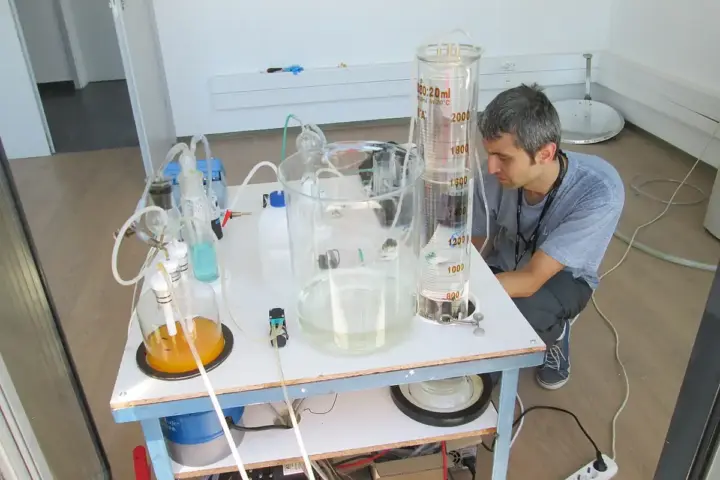
Visible Light CO2 Catalyst Turns Carbon Dioxide Into Industrial Feedstock for Nearly 4 Hours
Carbon dioxide is chemically stable, which makes it difficult to reuse. A team at Rice University has built a visible light CO2 catalyst that turns it into a useful chemical. Their catalyst
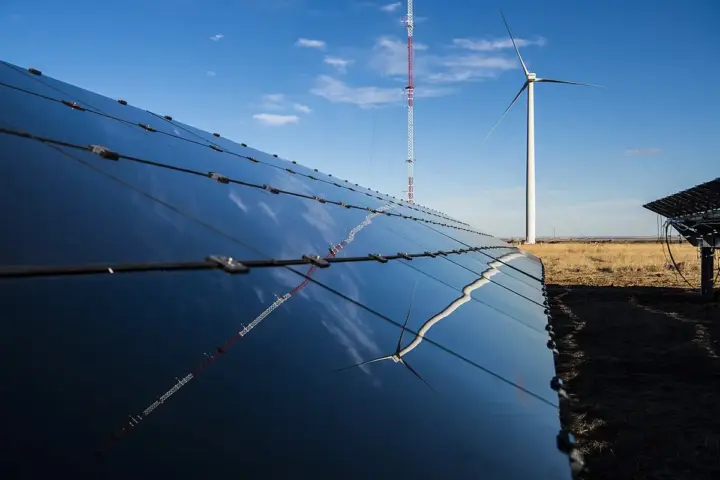
Wind, Solar and Batteries Cut Clean Power Costs Nearly a Fifth, Ember Finds
Wind, Solar and Batteries Cut Clean Power Costs Nearly a Fifth, Ember Finds For anyone who wonders whether clean power can keep the lights on through cloudy days and still nights, a

California Citrus Greening Quarantine Expands After One Positive Sample in Riverside County
If you grow citrus in the expanded Corona, Lake Elsinore, or Wildomar areas, federal rules on moving citrus may now apply to your trees. The U.S. Department of Agriculture has expanded the

D.C. Court Dismisses Three District-Court Challenges to Gulf ESA Exemption
D.C. Court Dismisses Three District-Court Challenges to Gulf ESA Exemption If you work offshore in the Gulf of America, or depend on its waters, one question matters most: does the federal exemption
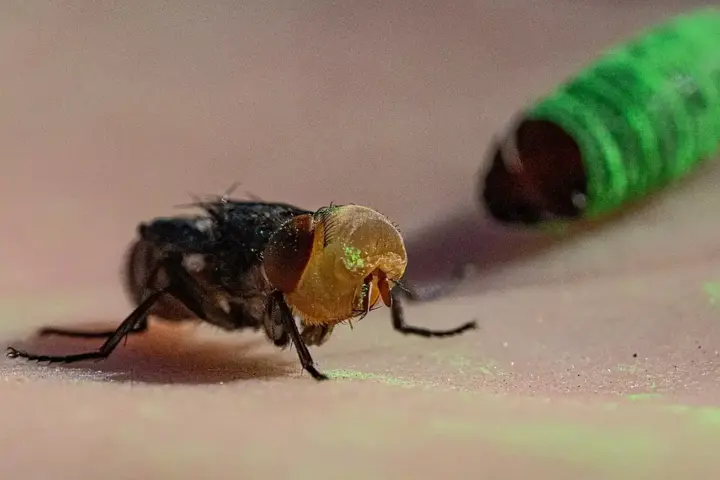
USDA Hires 228 for Sterile Fly Production Facility in Texas
If you raise cattle, horses, or pets in South Texas, New World screwworm is a threat worth watching for. The U.S. Department of Agriculture (USDA) has opened hiring for 228 positions to

62 Endangered San Francisco Garter Snakes Return to the Wild in Historic First, With 130+ More Coming in 2027
62 Endangered San Francisco Garter Snakes Return to the Wild in Historic First, With 130+ More Coming in 2027 If you have ever worried that a local species is slipping away, this

Niue Ocean Earthshot Prize Win Pushes Endowment Fundraising Past Halfway as Fish Biomass Rises 60% Since 2016
Niue Ocean Earthshot Prize Win Pushes Endowment Fundraising Past Halfway as Fish Biomass Rises 60% Since 2016 Marine parks need steady funding to stay protected. Niue, a small island nation in the
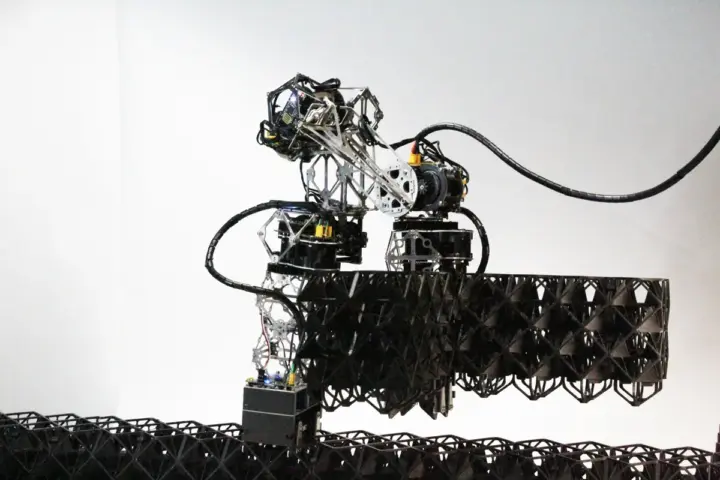
MIT Voxel Building Blocks Could Cut Embodied Carbon by Up to 82% in One-Story Building Study
MIT Voxel Building Blocks Could Cut Embodied Carbon by Up to 82% Concrete and steel can account for substantial embodied greenhouse-gas emissions in buildings. If you worry that every new home, school,
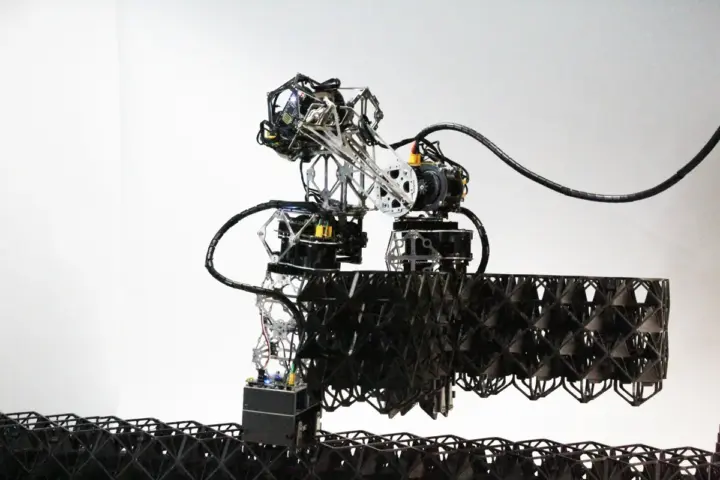
MIT Voxel Building Blocks Could Cut Embodied Carbon by Up to 82% in One-Story Building Study
MIT Voxel Building Blocks Could Cut Embodied Carbon by Up to 82% Concrete and steel can account for substantial embodied greenhouse-gas emissions in buildings. If you worry that every new home, school,
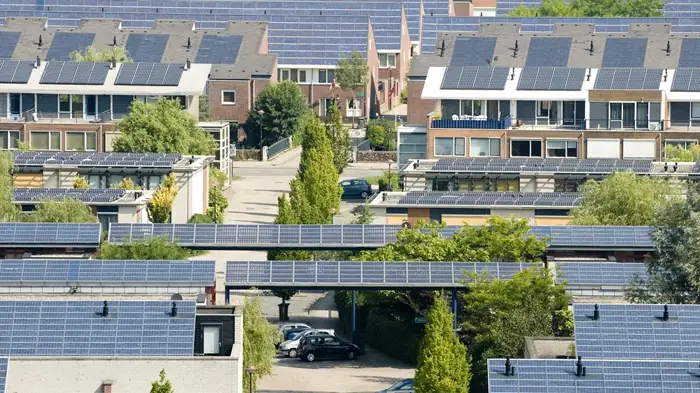
Residential Solar Heat Mortality: Rooftop Panels Cut Extreme-Heat Deaths by 8.5% in Japan
Residential solar heat mortality in Japan fell as rooftop panels spread across the country. A study in Social Science & Medicine reports the finding, and points to a practical way to keep
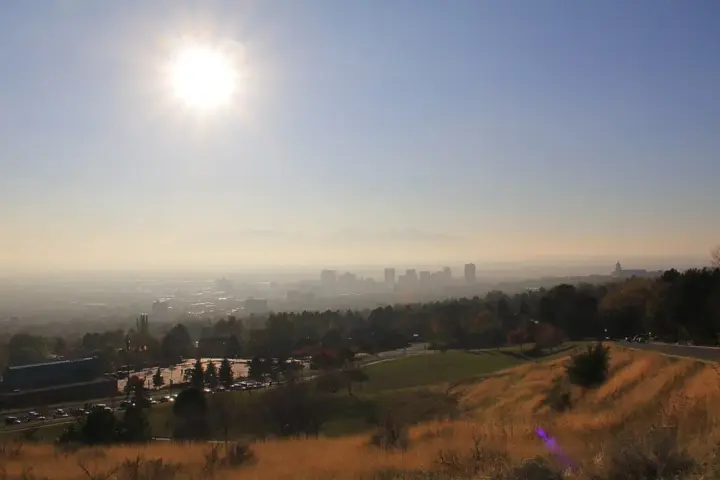
International TOAR-II Ozone Assessment Ties Smog to 500,000 COPD Deaths
If you have a parent or partner with COPD, a long-term lung disease, ozone matters to you. The same goes for anyone who checks the air quality forecast before a run. Ground-level
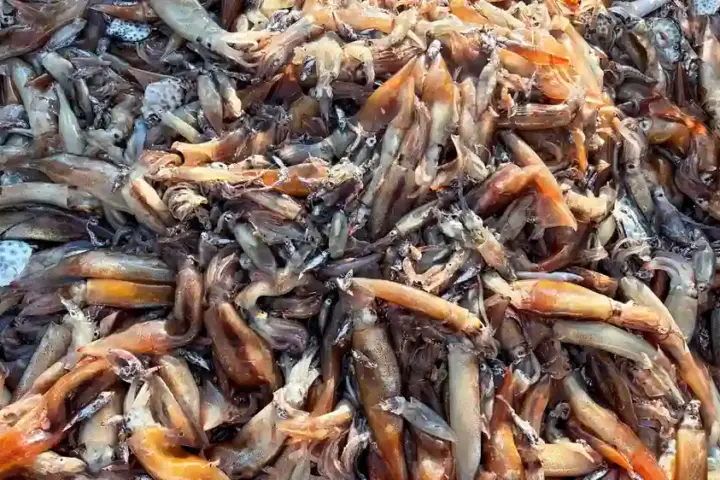
NOAA Ocean Observations Request for 2026 Closes Dec. 15
NOAA Fisheries wants to hear from you. If you spent time on the water in the Gulf of Maine, Georges Bank or the Mid-Atlantic Bight in 2026, tell the agency what you

COP31 Ends Without Antalya Pact as National Pledges Track 2.6–2.7°C of Warming
Will the world still meet the Paris Agreement’s temperature goal? The UK government’s latest answer is mixed. COP31 ends without Antalya Pact consensus; the annual UN climate summit formally closed on 22
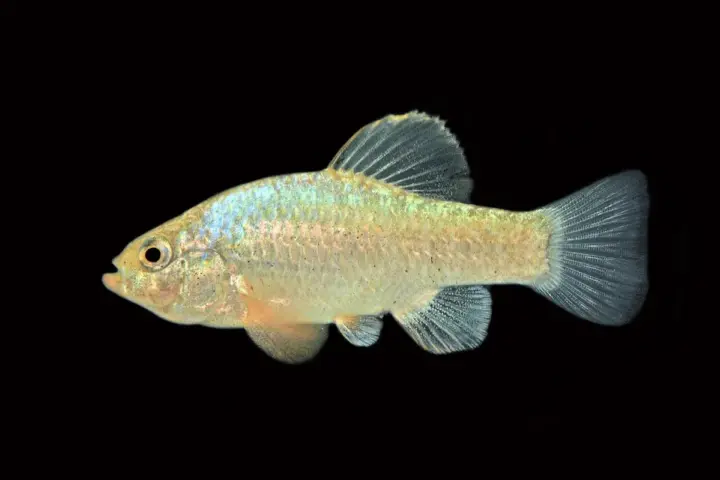
White Sands Pupfish Threatened Status Proposed Under the ESA
A fish about two inches long, found only in south-central New Mexico, has moved a step closer to federal protection. Federal wildlife officials now propose listing it as threatened under the Endangered
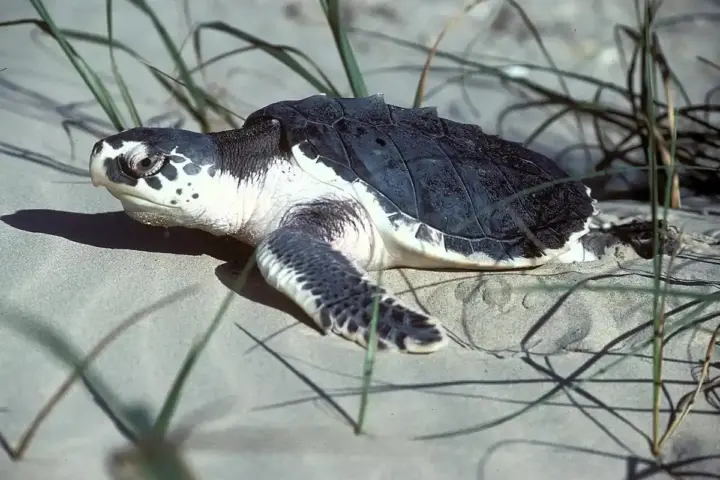
Kemp’s Ridley Sea Turtle Nests Surge 55% on Texas Beaches
Texas beachgoers may see more signs of Kemp’s ridley sea turtle nesting this year. Federal and state partners documented 697 nests along the Texas coast in 2026, up from 449 in 2025.