62 Endangered San Francisco Garter Snakes Return to the Wild in Historic First, With 130+ More Coming in 2027

62 Endangered San Francisco Garter Snakes Return to the Wild in Historic First, With 130+ More Coming in 2027
If you have ever worried that a local species is slipping away, this story offers real reason for hope. Sixty-two zoo-raised San Francisco garter snakes have been released into carefully selected sites in San Mateo County. It is the first release of zoo-raised San Francisco garter snakes through a head-starting program. Over 130 more young snakes are already growing for release next year.
The San Francisco Zoo & Gardens released the snakes this fall. They were born and raised at the zoo. The release was a joint effort with the U.S. Fish and Wildlife Service, the U.S. Geological Survey, the California Department of Fish and Wildlife, and several land managers. The San Francisco garter snake lives only in San Mateo County and a small part of Santa Cruz County. Its scientific name is Thamnophis sirtalis tetrataenia. The species appeared on the first federal endangered species list in 1967. Nearly 60 years later, only a couple thousand individuals are estimated to remain in the wild.
For anyone who lives near or visits the wild spaces of San Mateo County, this release has a practical side. Release locations are not disclosed to protect the snakes from illegal collection, vehicle deaths, and disease exposure. Visitors will not know where the released snakes live. Leaving wild snakes undisturbed is one simple way to help.


Latest from Environment

Niue Ocean Earthshot Prize Win Pushes Endowment Fundraising Past Halfway as Fish Biomass Rises 60% Since 2016
Niue Ocean Earthshot Prize Win Pushes Endowment Fundraising Past Halfway as Fish Biomass Rises 60% Since 2016 Marine parks need steady funding to stay protected. Niue, a small island nation in the

MIT Voxel Building Blocks Could Cut Embodied Carbon by Up to 82% in One-Story Building Study
MIT Voxel Building Blocks Could Cut Embodied Carbon by Up to 82% Concrete and steel can account for substantial embodied greenhouse-gas emissions in buildings. If you worry that every new home, school,

MIT Voxel Building Blocks Could Cut Embodied Carbon by Up to 82% in One-Story Building Study
MIT Voxel Building Blocks Could Cut Embodied Carbon by Up to 82% Concrete and steel can account for substantial embodied greenhouse-gas emissions in buildings. If you worry that every new home, school,
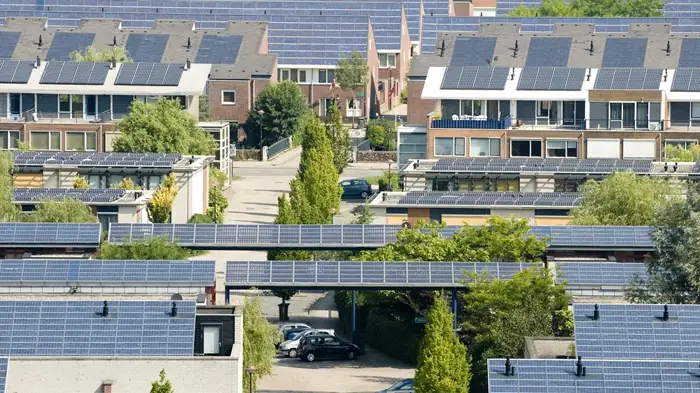
Residential Solar Heat Mortality: Rooftop Panels Cut Extreme-Heat Deaths by 8.5% in Japan
Residential solar heat mortality in Japan fell as rooftop panels spread across the country. A study in Social Science & Medicine reports the finding, and points to a practical way to keep

International TOAR-II Ozone Assessment Ties Smog to 500,000 COPD Deaths
If you have a parent or partner with COPD, a long-term lung disease, ozone matters to you. The same goes for anyone who checks the air quality forecast before a run. Ground-level
NOAA Ocean Observations Request for 2026 Closes Dec. 15
NOAA Fisheries wants to hear from you. If you spent time on the water in the Gulf of Maine, Georges Bank or the Mid-Atlantic Bight in 2026, tell the agency what you

COP31 Ends Without Antalya Pact as National Pledges Track 2.6–2.7°C of Warming
Will the world still meet the Paris Agreement’s temperature goal? The UK government’s latest answer is mixed. COP31 ends without Antalya Pact consensus; the annual UN climate summit formally closed on 22
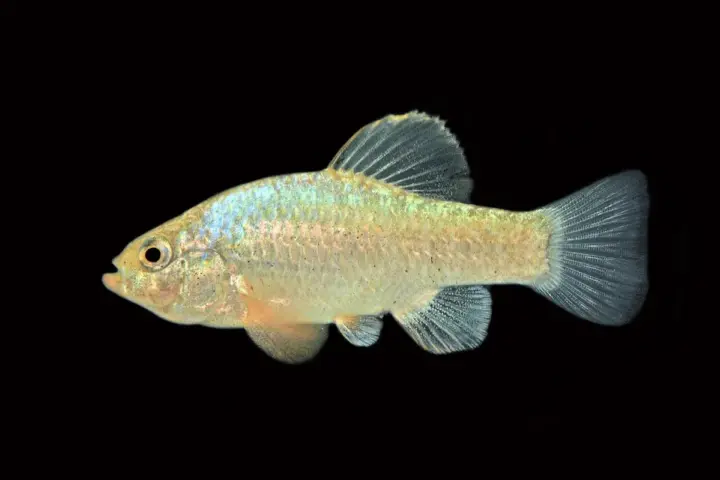
White Sands Pupfish Threatened Status Proposed Under the ESA
A fish about two inches long, found only in south-central New Mexico, has moved a step closer to federal protection. Federal wildlife officials now propose listing it as threatened under the Endangered
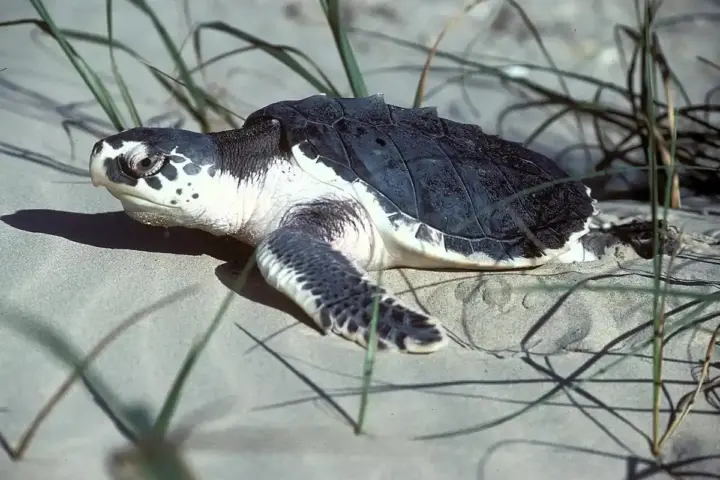
Kemp’s Ridley Sea Turtle Nests Surge 55% on Texas Beaches
Texas beachgoers may see more signs of Kemp’s ridley sea turtle nesting this year. Federal and state partners documented 697 nests along the Texas coast in 2026, up from 449 in 2025.
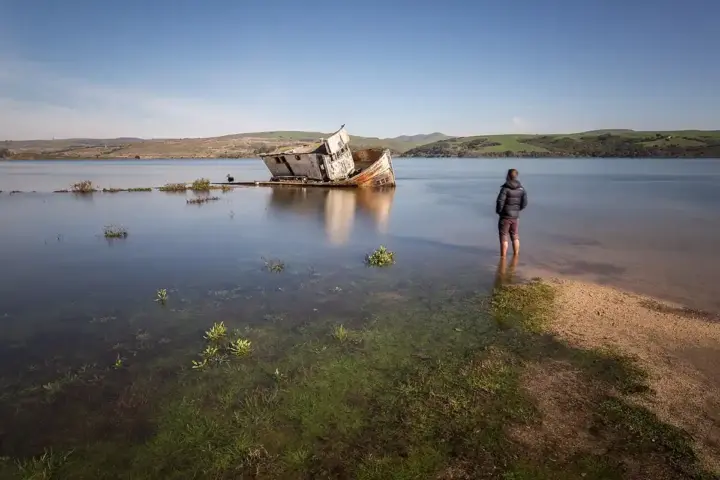
California Record Water Levels Raise Risk of Coastal Flooding
California’s above-normal high-tide window is underway November 22–27, 2026, with another forecast for December 22–26. For people living or working near the shore, those dates bring an increased risk of coastal flooding.
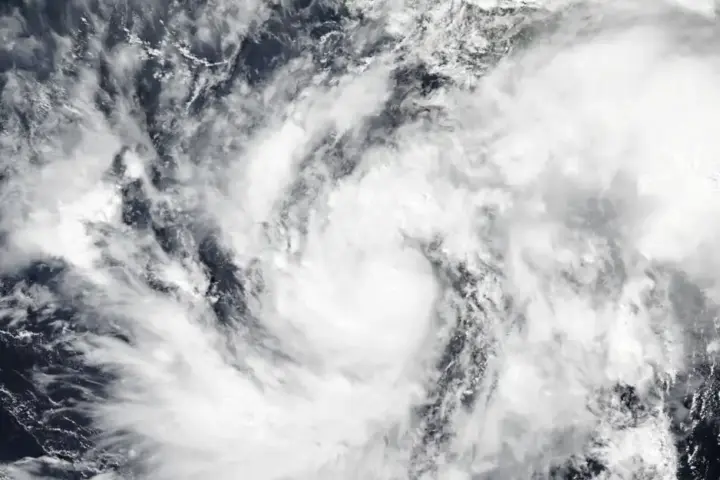
October 2026 Global Temperature Surge: NOAA Logs 2.57°F Largest Monthly Departure As 11 Major Cyclones Form
October 2026 global temperature records arrived together. The month brought the strongest departure from average in NOAA’s 1850–2026 record. It also set a fifth consecutive monthly ocean record and saw tropical cyclone
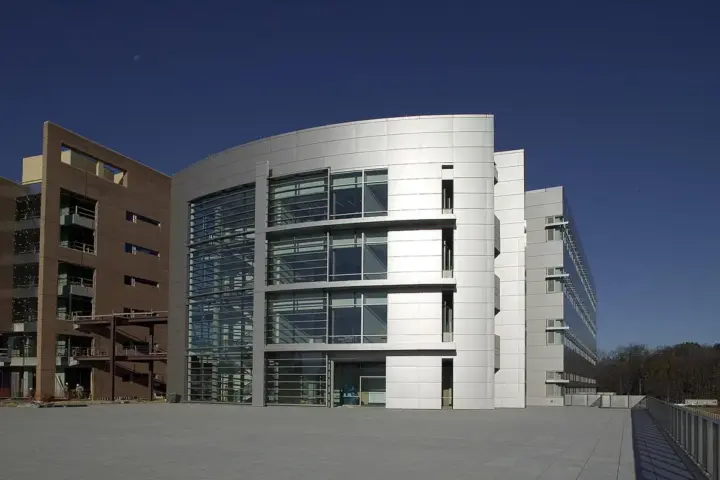
First of a Kind Rail Awards Put £4.8M Into 23 UK Safety Projects
Rail infrastructure defects and trackside hazards are among the issues the First of a Kind rail 2026 competition aims to address. It is supporting 23 projects with £4.8 million in funding from

Wallsend Waste Wood Site: Brothers Sentenced Over 8,000-Tonne Pile
Residents and businesses near Davy Bank in Wallsend were put at risk by a large pile of waste wood stored without an environmental permit, the Environment Agency said. Officials estimated about 8,000

Canada Taps 19 Projects For Carbon Dioxide Removal Credits Aiming At ‘Hard-To-Decarbonize’ Defence Emissions
Canada’s national standing offer for carbon dioxide removal credits gives federal departments access to credits from 19 Canadian projects. It creates a potential route for clean-tech developers to sell permanent carbon removal.
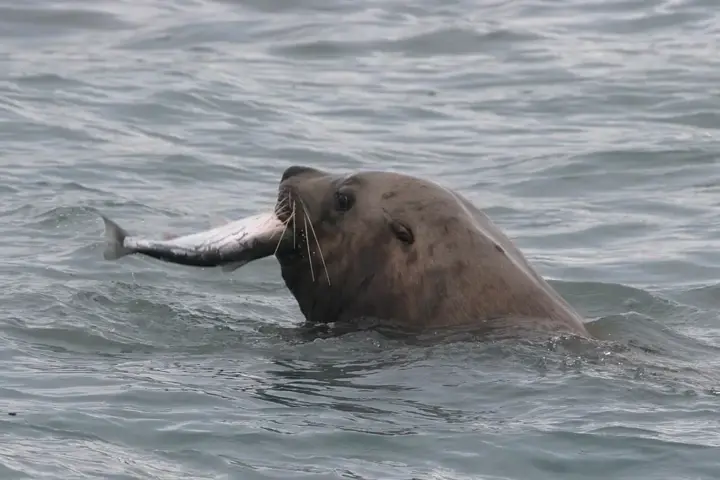
Culling Seals and Sea Lions Won’t Save Salmon, NOAA Study Finds
One question for West Coast salmon managers and anglers is whether removing seals and sea lions from the ocean can help Chinook and coho recover. A NOAA Fisheries and Oregon State University