FMCSA Revoked 133 Electronic Logging Devices: Roadside Out-of-Service Rules
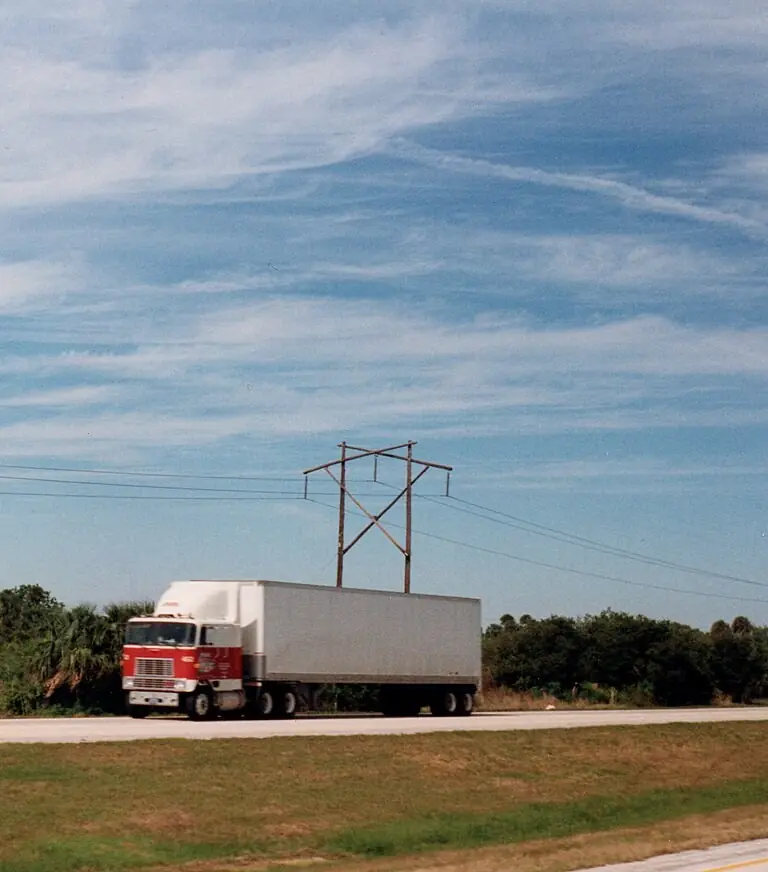
If your truck still uses a revoked electronic logging device, the next roadside inspection could leave your driver sidelined. FMCSA’s announcement directs inspectors to cite the driver and place the driver out of service. Here is what the removals mean for drivers and owner-operators, what investigators found, and how to check your device.
Transportation Secretary Sean Duffy announced the action on Thursday, November 12, 2026. FMCSA removed 133 electronic logging devices, or ELDs, from its registry. The agency revoked 121 of them because they failed minimum federal requirements. The other 12 were voluntarily withdrawn by their providers. The announcement calls it the largest ELD revocation in FMCSA history. The announcement did not name the providers, but FMCSA’s revoked-device list publishes provider names and models. An ELD records a driver’s hours of service, meaning driving time and rest breaks. Inspectors use those records to check drivers against federal limits. Carriers have up to 60 days to replace a revoked device with one from FMCSA’s registered list.
A driver caught using a removed device can receive a citation under 49 CFR 395.8(a)(1). That citation can lead to the driver being placed out of service. The carrier must replace the device with a compliant ELD from FMCSA’s registered list. The dates do not line up. The announcement cites November 24, 2026 as the enforcement start, while also giving carriers up to 60 days. FMCSA’s ELD site lists January 12, 2027 as the replacement deadline. Carriers that wait may switch devices during a busy holiday week. That timing point is our inference, not a reported finding.


Latest from News

USDA Alert: Frozen Meat and Poultry Products Carry Undeclared Sesame
If you bought frozen Bami Rolls, Saté Kroketten or Bitterballen online, check your refrigerator or freezer and do not eat them. You may also have bought them at a festival or farmers

California Record Water Levels Raise Risk of Coastal Flooding
California’s above-normal high-tide window is underway November 22–27, 2026, with another forecast for December 22–26. For people living or working near the shore, those dates bring an increased risk of coastal flooding.
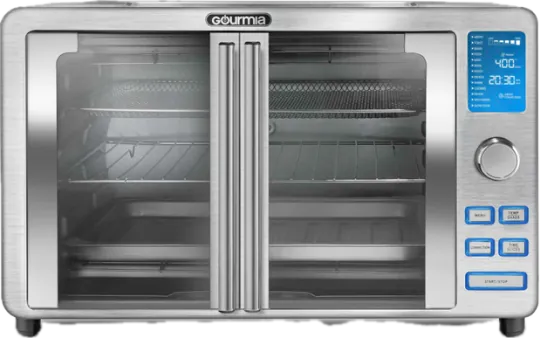
Gourmia Air Fryer Oven Recall At Target Prompts CPSC Alert To ‘Stop Using’ Recalled Units
If you own a Gourmia air fryer oven bought at Target, check the label on its back before using it again. The Gourmia air fryer oven recall covers model GTF7530, and the

Greenwich Rx Sterile Products Recalled Nationwide After FDA Inspection
Patients who received compounded sterile products from Greenwich Rx or Clove Rx should check the lot number on the label. Stop using any product that matches the recall list. Greenwich Rx has

Santa Cruz Paleo Pre-Workout Recall: Check Lots 2606161, 2512293
If you bought Santa Cruz Paleo pre-workout powder on Amazon and have a milk allergy, check the lot number and stop using it if it matches one of the affected lots. Rocky

Cadbury Pistachio Recall Canada: Oreo Bars and Favourites Recalled
Canadian households with tree nut allergies should check Cadbury treat bars and Favourites boxes after a nationwide Class 1 recall over undeclared pistachio. The Canadian Food Inspection Agency says one reaction associated
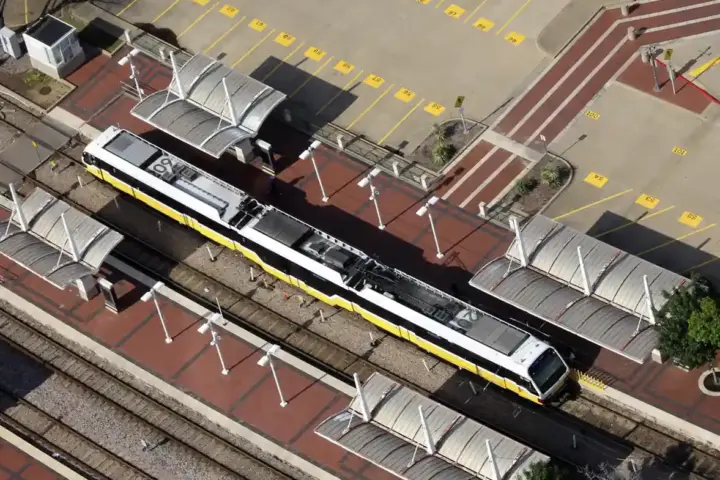
FTA Transit Innovation Showcase Set for Dec. 4 in Washington, DC
Washington-area commuters, families and transit advocates can explore transit modernization at a public event on December 4. The Federal Transit Administration’s FTA Transit Innovation Showcase will take place at U.S. Department of
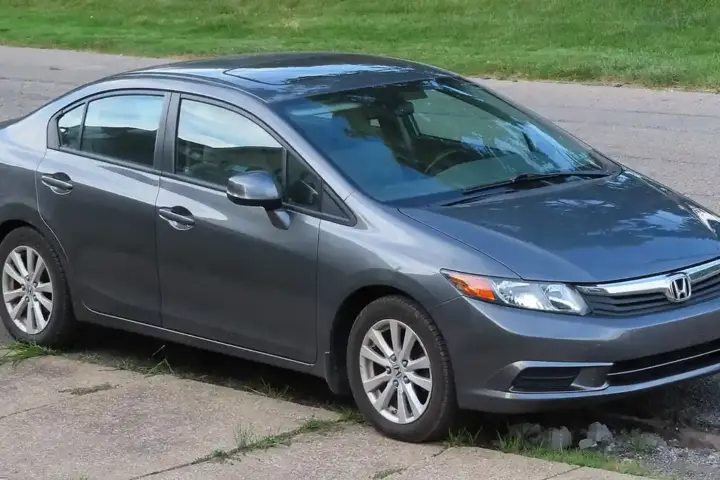
Honda Takata Airbag Recall Covers 810,592 Civic, CR-V, Accord and Acura Vehicles
If you own a 2012 or 2013 Honda Civic or CR-V, a 2013 Accord, or a 2013 Acura RDX or ILX, check your vehicle identification number (VIN) for the Honda Takata airbag
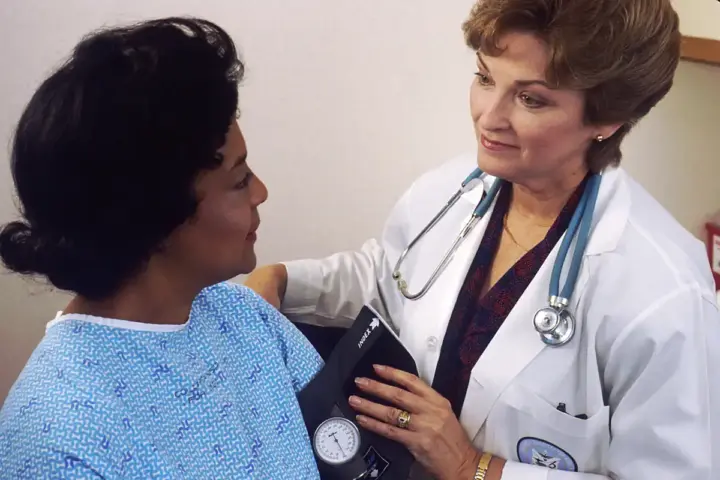
CDC: US Stroke Death Rates 2024 Show a 36.3% Drop Since 2000
Adults in their 30s and 40s may assume stroke is mainly an older person’s risk. But the US stroke death rates 2024 data shows increases among adults aged 35-44 during 2013-2024 and
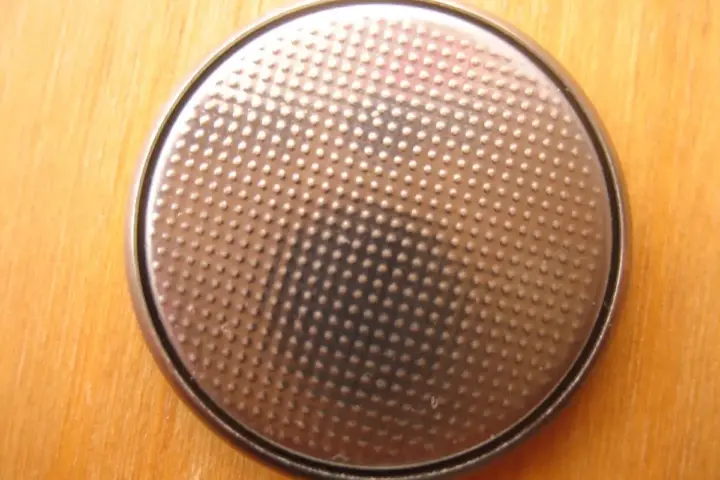
Hultafors Group Tool Recall Covers 229,430 Johnson Level and CLC Tools
Hultafors Group Tool Recall Covers 229,430 CLC and Johnson Level Products Over Button-Cell Battery Hazard Contractors, woodworkers and families: check the model number on your CLC Lighted Portfolio or Johnson Level digital

NYC Mayor Zohran Mamdani Says Achilles Tear Requires Walking Boot
### STORY 10 — PRIORITY #10 Zohran Mamdani Achilles Tear: NYC Mayor Says He Will Wear a Boot New York City Mayor Zohran Mamdani said he tore his Achilles tendon during a

Police Ombudsman Stephen Nolan Peelers complaints under assessment
Four complaints about the BBC Peelers documentary are now sitting with Northern Ireland’s Police Ombudsman. The complaints concern the Stephen Nolan series, which follows Police Service of Northern Ireland officers on duty.
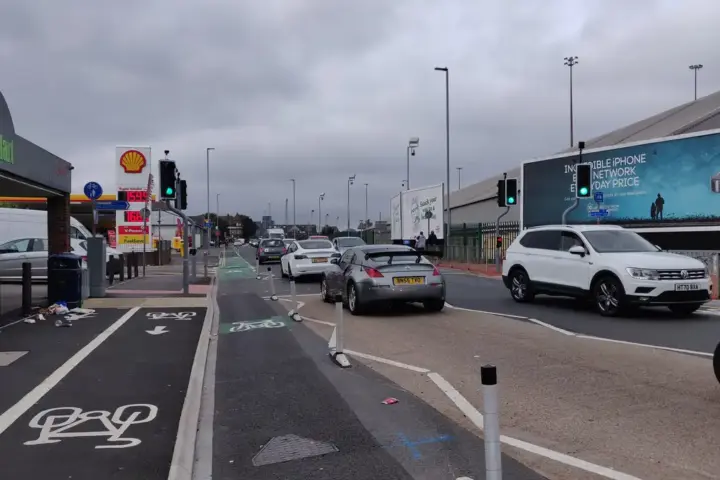
Sidmouth Street cycle lane removal considered by Reading Council
The Reading cycle lane removed from Sidmouth Street debate has arrived at a decision point. Reading Borough Council is set to vote on Wednesday, 25 November on whether to keep, shrink, or

Dimbleby rejects Spencer Diana death claims as grotesque
Jonathan Dimbleby‘s rejection of Earl Spencer‘s interview claims has put two sharply different accounts of Princess Diana’s death in direct conflict. Dimbleby, the broadcaster who wrote the 1994 authorised biography of King
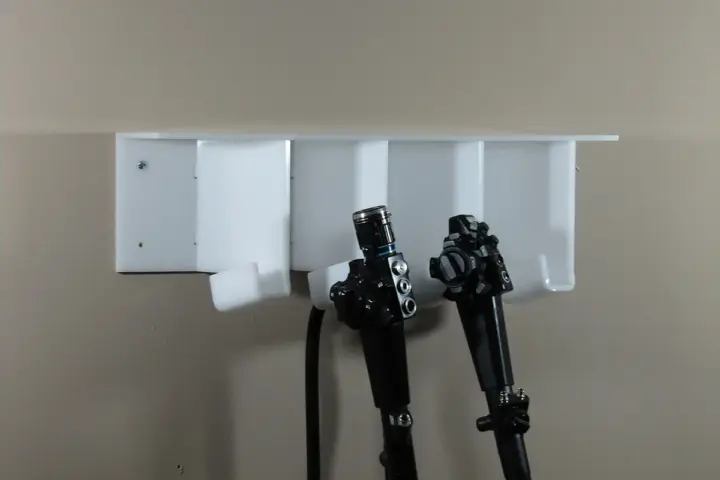
FDA Classifies Diversatek SafeGuide Guidewire Recall Class 2
The Diversatek SafeGuide guidewire recall covers two models that clinics and hospitals should check for: model 1214-02, lot 244736, and model 1214-02D, lots 245290 and 245321. The FDA classified both listings as