MIT Voxel Building Blocks Could Cut Embodied Carbon by Up to 82% in One-Story Building Study
MIT Voxel Building Blocks Could Cut Embodied Carbon by Up to 82%
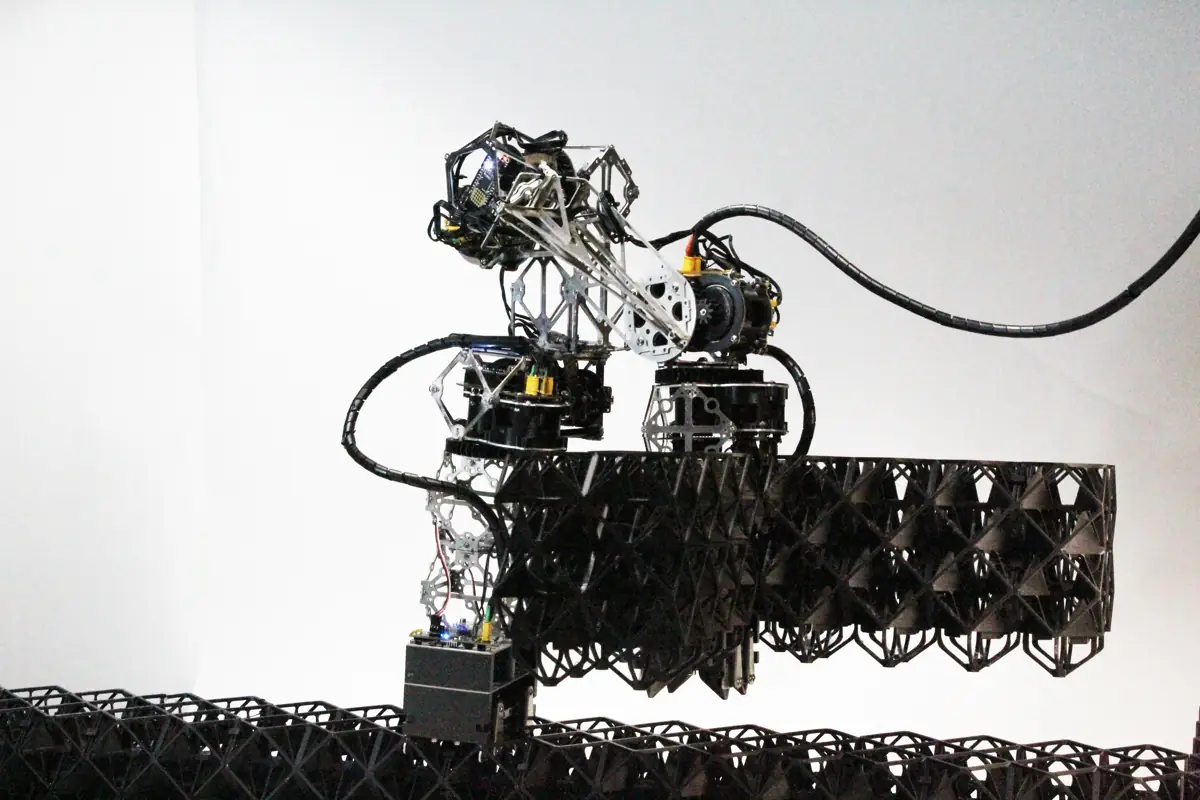
Concrete and steel can account for substantial embodied greenhouse-gas emissions in buildings. If you worry that every new home, school, or office adds to that load, an MIT team has evaluated robotically assembled voxel construction as a possible lower-carbon option for some buildings. Its voxel blocks are small, interlocking lattice units that simple robots can assemble, and the design is intended to let them be taken apart later.
Researchers at MIT’s Center for Bits and Atoms (CBA) published the work in Automation in Construction, and MIT News reported it on April 28, 2026. Lead author Miana Smith is a graduate student at the CBA. Senior author Neil Gershenfeld is an MIT professor and the center’s director.
The researchers evaluated lattice-shaped voxel units as structural building blocks for a simple one-story building. For that building, they estimated the system could reduce embodied carbon by as much as 82 percent compared with 3D concrete printing, precast modular concrete, and steel framing. Embodied carbon refers to greenhouse-gas emissions associated with building materials and construction; the stages counted depend on the assessment.
A potential benefit for owners and planners is that a reversible structure could be changed or disassembled instead of demolished. Because the units interlock, the system is designed to allow disassembly and possible reuse, but that reuse has not yet been demonstrated at building scale. The study projects that on-site assembly would average 99 hours for steel and plywood voxel approaches, compared with 155 hours for existing methods. It also notes that one MILAbot working alone is far slower than existing techniques.
The study does not assess code approval or commercial availability, both of which would need to be addressed before practical use.


Latest from Environment
MIT Voxel Building Blocks Could Cut Embodied Carbon by Up to 82% in One-Story Building Study
MIT Voxel Building Blocks Could Cut Embodied Carbon by Up to 82% Concrete and steel can account for substantial embodied greenhouse-gas emissions in buildings. If you worry that every new home, school,
Residential Solar Heat Mortality: Rooftop Panels Cut Extreme-Heat Deaths by 8.5% in Japan
Residential solar heat mortality in Japan fell as rooftop panels spread across the country. A study in Social Science & Medicine reports the finding, and points to a practical way to keep

International TOAR-II Ozone Assessment Ties Smog to 500,000 COPD Deaths
If you have a parent or partner with COPD, a long-term lung disease, ozone matters to you. The same goes for anyone who checks the air quality forecast before a run. Ground-level

NOAA Ocean Observations Request for 2026 Closes Dec. 15
NOAA Fisheries wants to hear from you. If you spent time on the water in the Gulf of Maine, Georges Bank or the Mid-Atlantic Bight in 2026, tell the agency what you

COP31 Ends Without Antalya Pact as National Pledges Track 2.6–2.7°C of Warming
Will the world still meet the Paris Agreement’s temperature goal? The UK government’s latest answer is mixed. COP31 ends without Antalya Pact consensus; the annual UN climate summit formally closed on 22
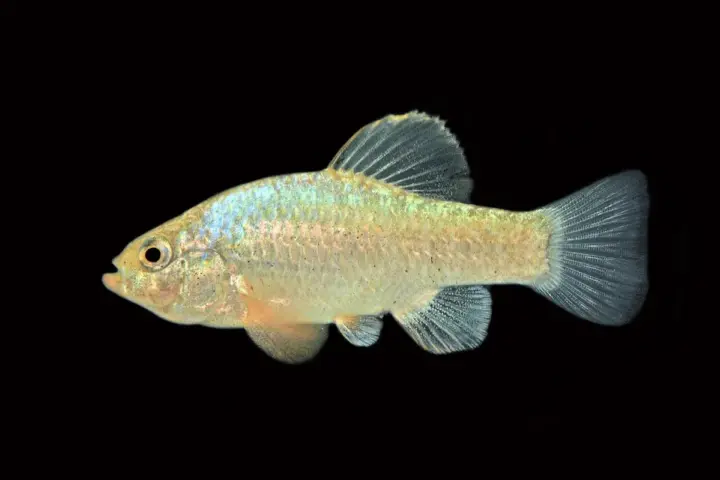
White Sands Pupfish Threatened Status Proposed Under the ESA
A fish about two inches long, found only in south-central New Mexico, has moved a step closer to federal protection. Federal wildlife officials now propose listing it as threatened under the Endangered
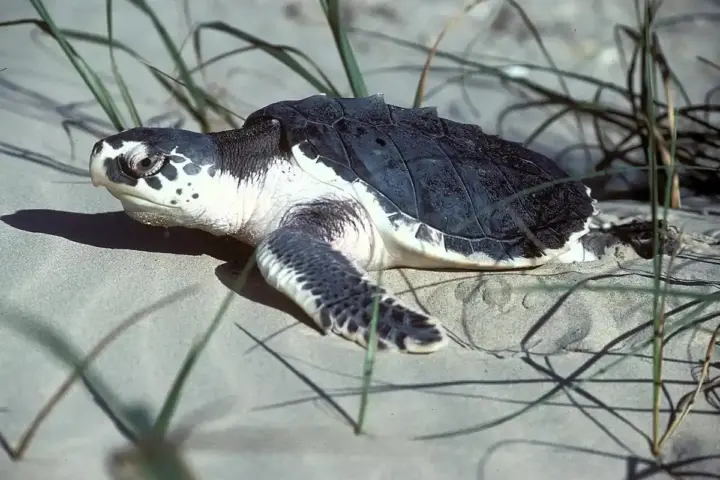
Kemp’s Ridley Sea Turtle Nests Surge 55% on Texas Beaches
Texas beachgoers may see more signs of Kemp’s ridley sea turtle nesting this year. Federal and state partners documented 697 nests along the Texas coast in 2026, up from 449 in 2025.

California Record Water Levels Raise Risk of Coastal Flooding
California’s above-normal high-tide window is underway November 22–27, 2026, with another forecast for December 22–26. For people living or working near the shore, those dates bring an increased risk of coastal flooding.

October 2026 Global Temperature Surge: NOAA Logs 2.57°F Largest Monthly Departure As 11 Major Cyclones Form
October 2026 global temperature records arrived together. The month brought the strongest departure from average in NOAA’s 1850–2026 record. It also set a fifth consecutive monthly ocean record and saw tropical cyclone
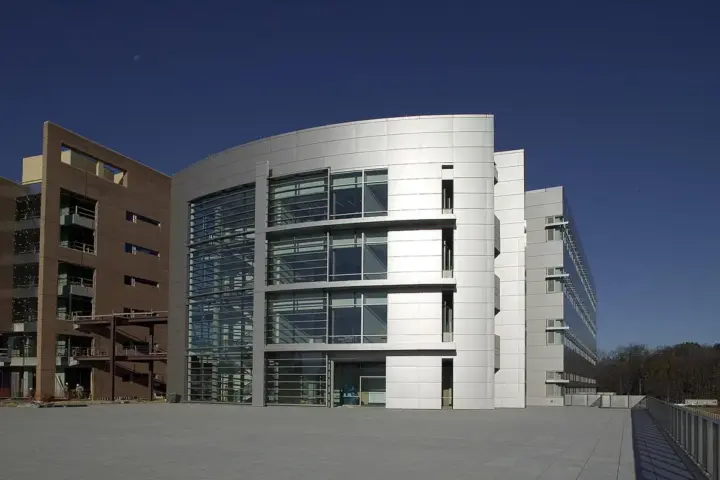
First of a Kind Rail Awards Put £4.8M Into 23 UK Safety Projects
Rail infrastructure defects and trackside hazards are among the issues the First of a Kind rail 2026 competition aims to address. It is supporting 23 projects with £4.8 million in funding from

Wallsend Waste Wood Site: Brothers Sentenced Over 8,000-Tonne Pile
Residents and businesses near Davy Bank in Wallsend were put at risk by a large pile of waste wood stored without an environmental permit, the Environment Agency said. Officials estimated about 8,000
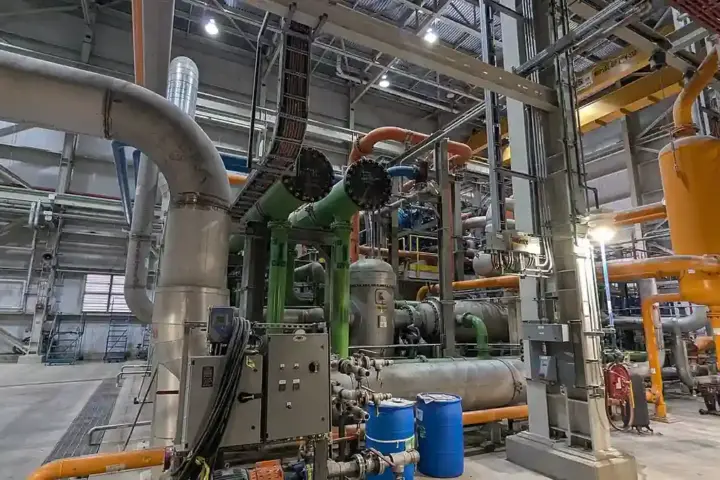
Canada Taps 19 Projects For Carbon Dioxide Removal Credits Aiming At ‘Hard-To-Decarbonize’ Defence Emissions
Canada’s national standing offer for carbon dioxide removal credits gives federal departments access to credits from 19 Canadian projects. It creates a potential route for clean-tech developers to sell permanent carbon removal.

Culling Seals and Sea Lions Won’t Save Salmon, NOAA Study Finds
One question for West Coast salmon managers and anglers is whether removing seals and sea lions from the ocean can help Chinook and coho recover. A NOAA Fisheries and Oregon State University

UK COP31 Antalya Outcome: Six Climate Priorities Before COP32
The UK government said countries must act more urgently to cut emissions and build resilience to climate shocks. After COP31 in Antalya, it criticized the Presidencies’ proposed cover decision, saying it “moves

Microplastics React With Water to Form Cell-Damaging Radicals
For people concerned about plastic exposure, a 2026 study describes how microplastics react with water through a possible chemical process at plastic–water interfaces. It does not measure the risks of drinking bottled