White Sands Pupfish Threatened Status Proposed Under the ESA
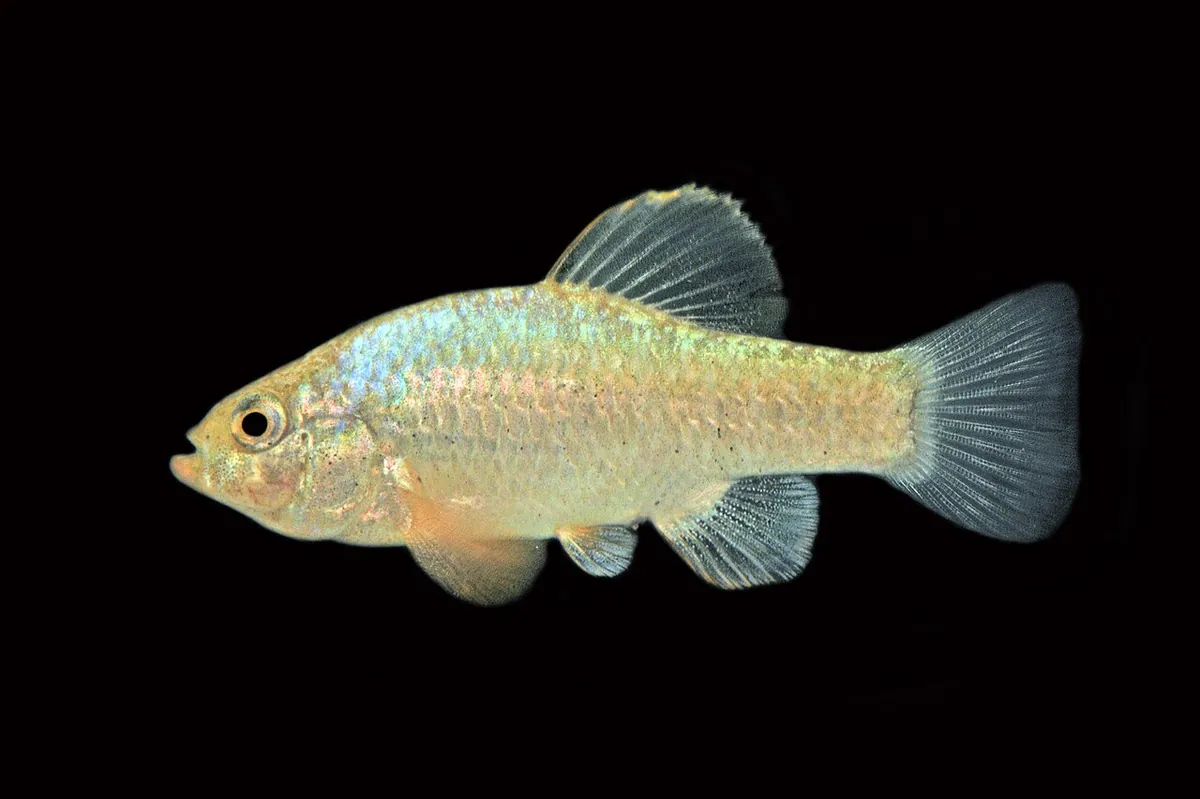
A fish about two inches long, found only in south-central New Mexico, has moved a step closer to federal protection. Federal wildlife officials now propose listing it as threatened under the Endangered Species Act. Here is what that means for the fish, the land it lives on, and how to comment before the deadline.
The U.S. Fish and Wildlife Service (FWS) announced on November 19, 2026, a proposal to list the White Sands pupfish threatened under the Endangered Species Act. If finalized, the proposal would bring the species under the U.S. law that protects plants and animals at risk of extinction. The fish grows up to two inches long. It has a slightly upturned jaw and eats algae, flies, and other invertebrates. It tolerates high salinity and high water temperatures. It lives only in south-central New Mexico, at White Sands National Park, White Sands Missile Range, and Holloman Air Force Base.
The proposal was published in the Federal Register on November 20, 2026. That opened a 60-day public comment period through January 19, 2027, under docket FWS-R2-ES-2026-1651. The fish faces extreme flooding, increased drying, higher stream temperatures, and invasive salt cedar.


Latest from Environment

COP31 Ends Without Antalya Pact as National Pledges Track 2.6–2.7°C of Warming
Will the world still meet the Paris Agreement’s temperature goal? The UK government’s latest answer is mixed. COP31 ends without Antalya Pact consensus; the annual UN climate summit formally closed on 22
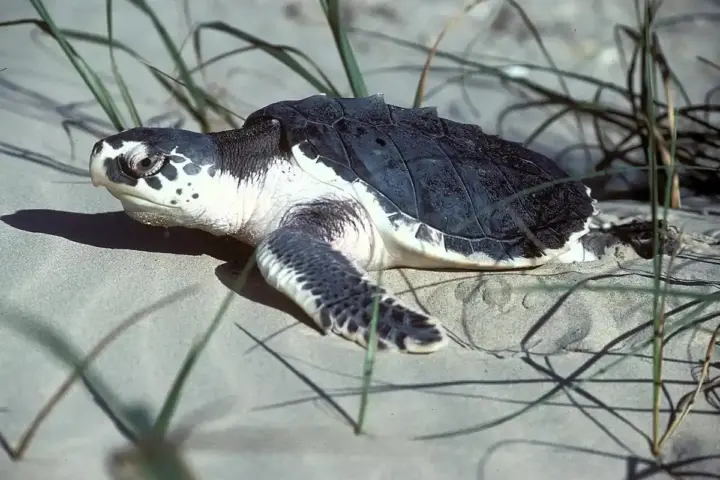
Kemp’s Ridley Sea Turtle Nests Surge 55% on Texas Beaches
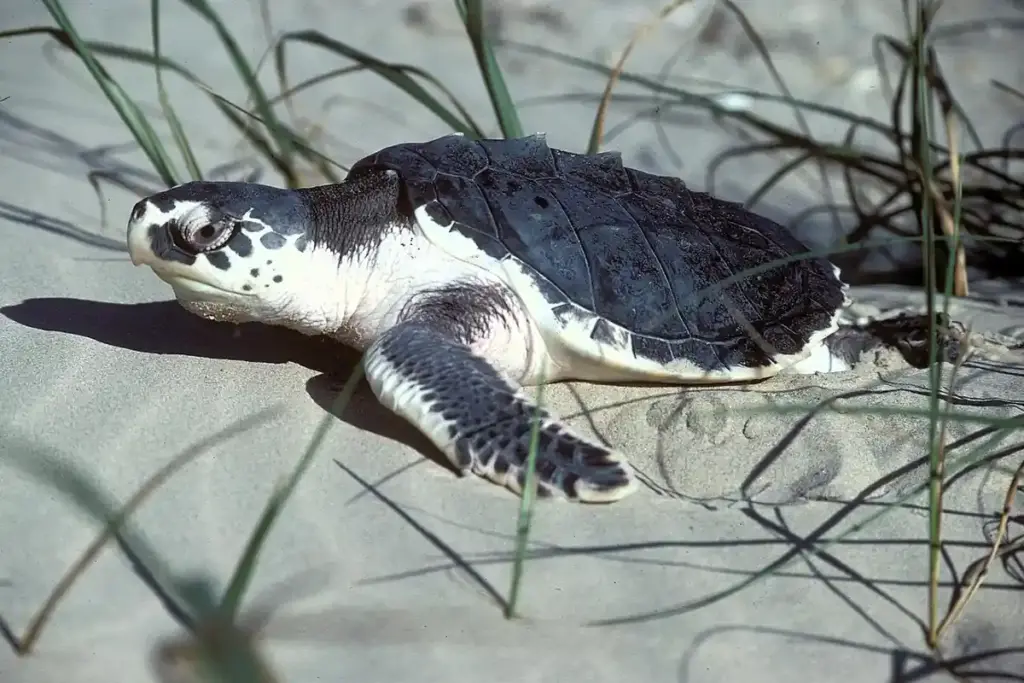
Texas beachgoers may see more signs of Kemp’s ridley sea turtle nesting this year. Federal and state partners documented 697 nests along the Texas coast in 2026, up from 449 in 2025.
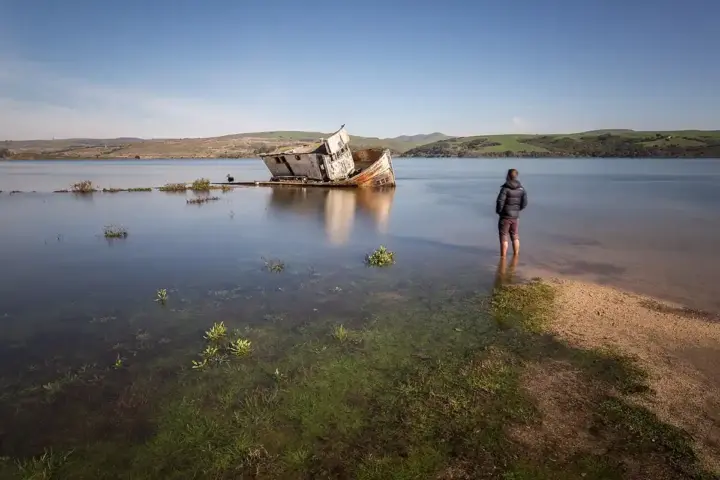
California Record Water Levels Raise Risk of Coastal Flooding
California’s above-normal high-tide window is underway November 22–27, 2026, with another forecast for December 22–26. For people living or working near the shore, those dates bring an increased risk of coastal flooding.
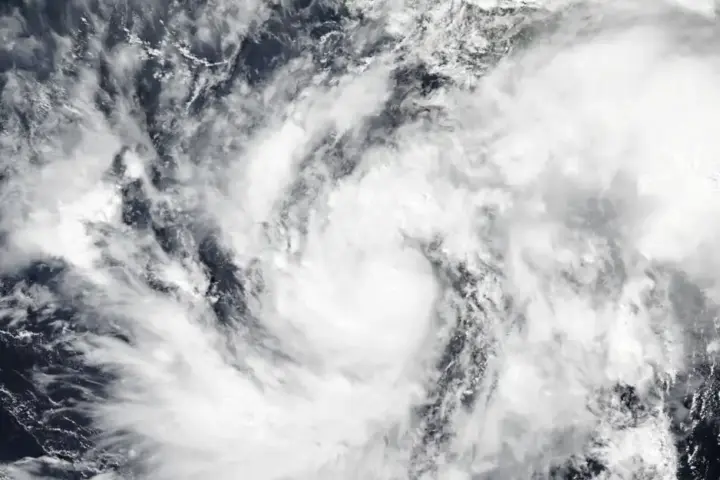
October 2026 Global Temperature Surge: NOAA Logs 2.57°F Largest Monthly Departure As 11 Major Cyclones Form
October 2026 global temperature records arrived together. The month brought the strongest departure from average in NOAA’s 1850–2026 record. It also set a fifth consecutive monthly ocean record and saw tropical cyclone

First of a Kind Rail Awards Put £4.8M Into 23 UK Safety Projects
Rail infrastructure defects and trackside hazards are among the issues the First of a Kind rail 2026 competition aims to address. It is supporting 23 projects with £4.8 million in funding from

Wallsend Waste Wood Site: Brothers Sentenced Over 8,000-Tonne Pile
Residents and businesses near Davy Bank in Wallsend were put at risk by a large pile of waste wood stored without an environmental permit, the Environment Agency said. Officials estimated about 8,000

Canada Taps 19 Projects For Carbon Dioxide Removal Credits Aiming At ‘Hard-To-Decarbonize’ Defence Emissions
Canada’s national standing offer for carbon dioxide removal credits gives federal departments access to credits from 19 Canadian projects. It creates a potential route for clean-tech developers to sell permanent carbon removal.
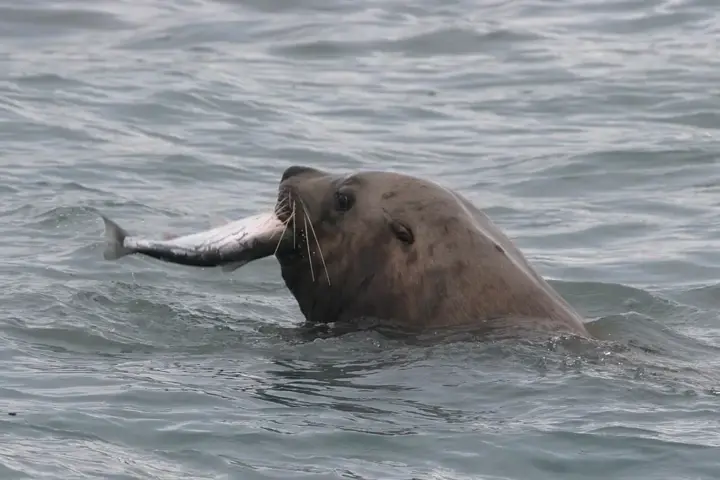
Culling Seals and Sea Lions Won’t Save Salmon, NOAA Study Finds
One question for West Coast salmon managers and anglers is whether removing seals and sea lions from the ocean can help Chinook and coho recover. A NOAA Fisheries and Oregon State University

UK COP31 Antalya Outcome: Six Climate Priorities Before COP32
The UK government said countries must act more urgently to cut emissions and build resilience to climate shocks. After COP31 in Antalya, it criticized the Presidencies’ proposed cover decision, saying it “moves
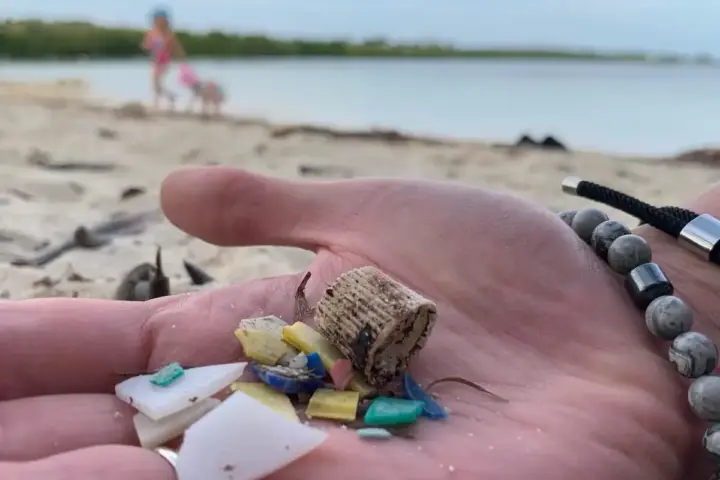
Microplastics React With Water to Form Cell-Damaging Radicals
For people concerned about plastic exposure, a 2026 study describes how microplastics react with water through a possible chemical process at plastic–water interfaces. It does not measure the risks of drinking bottled
PFOS in English Rivers Fell 30% Since 2016, Fish PFOS Down 49%
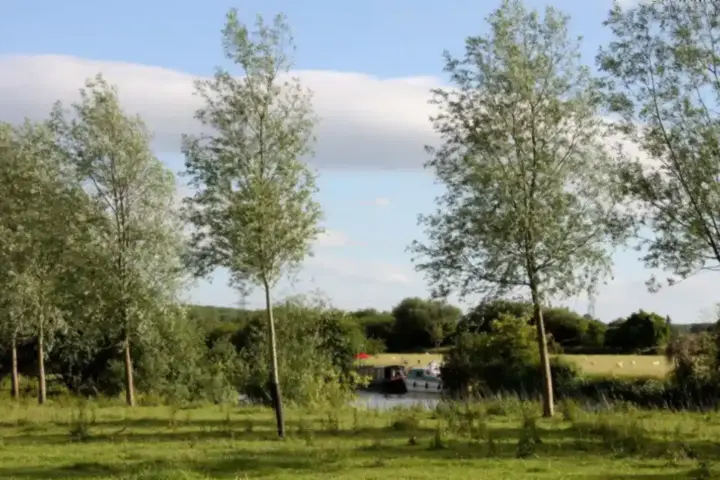
For people who fish, live beside a river or follow water quality in England, new monitoring brings measurable progress alongside a reason to keep watching. Between 2016 and 2025, PFOS in English

UK Depot Charging Scheme Opens £38M Grant for Electric Vans and HGVs
UK fleet operators planning depot chargers for electric vans, HGVs or coaches can apply for a share of £38 million in government funding. For projects implemented in 2027/28, the Depot Charging Scheme
UK Pledges £20M at COP31 to Protect Coral Reefs and Oceans
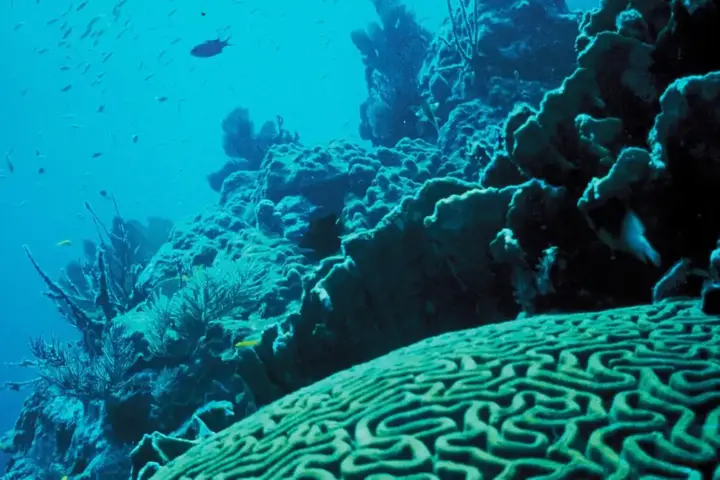
For people who depend on healthy seas, the UK’s new COP31 funding backs coral reefs and oceans through reef-friendly businesses and better ways for governments to account for ocean health. Announced on
EPA Begins Removing 2,200 Supersacks of Radioactive Waste in Oklahoma
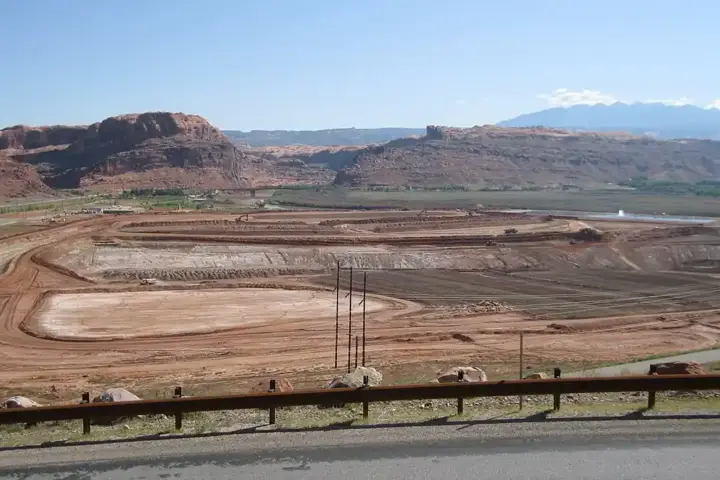
If you live near the Arkansas River or the Fansteel Metals site near Muskogee, EPA says to stay behind the security fencing and follow warning signs. The agency began removing radioactive waste
First 2,000-Acre Kelp Farm Permitted Off Ventura, California
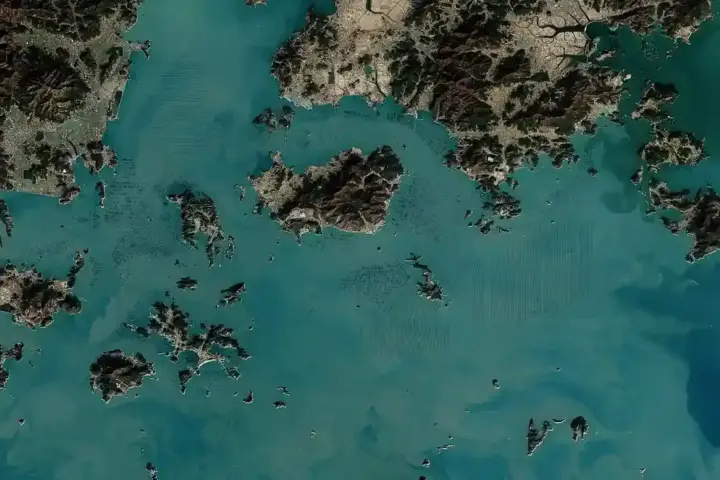
A kelp farm permitted off Ventura, California, now gives coastal communities and growers a proposed new agricultural input: giant kelp grown in federal waters. Ocean Rainforest has secured all major permits for