International TOAR-II Ozone Assessment Ties Smog to 500,000 COPD Deaths
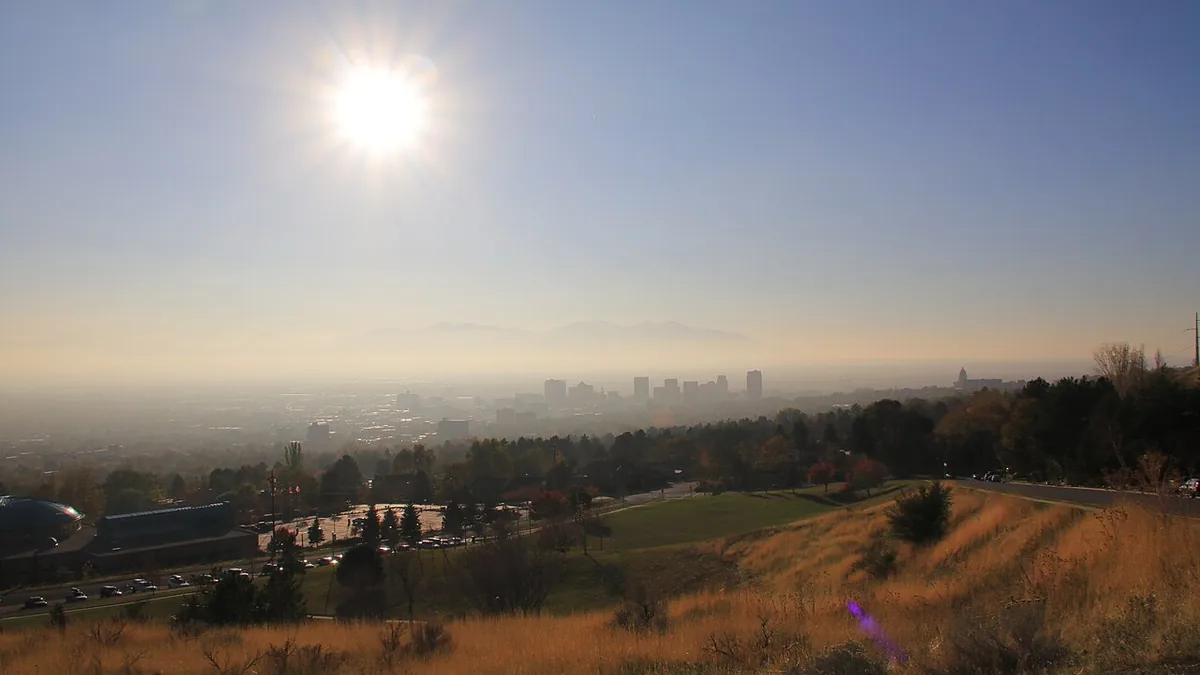
If you have a parent or partner with COPD, a long-term lung disease, ozone matters to you. The same goes for anyone who checks the air quality forecast before a run. Ground-level ozone, a core part of summer smog, is linked to roughly 500,000 premature COPD deaths every year. A new international assessment, announced by NOAA’s Chemical Sciences Laboratory, lays out the evidence.
The Chemical Sciences Laboratory at the US National Oceanic and Atmospheric Administration (NOAA) announced the international TOAR-II ozone assessment on November 9, 2026. TOAR-II is the second Tropospheric Ozone Assessment Report. It was published in the journal Philosophical Transactions of the Royal Society A. The report covers developments from 2020 to 2026 and draws on 58 review and original research papers and seven comprehensive assessment studies. Tropospheric ozone is the ozone in the lowest layer of the atmosphere, where people breathe. The headline numbers are stark. The report links ground-level ozone to about 500,000 premature COPD deaths a year. It finds ozone damage to sensitive crop and forest species at well over 60% of TOAR monitoring sites worldwide. It also puts the total tropospheric ozone burden at 336 million metric tons, with an uncertainty of 6 million tons.
For people with lung disease, ground-level ozone is a health risk. Ozone in the lower atmosphere is estimated to contribute to roughly 500,000 premature COPD deaths a year. It also damages sensitive crop and forest species at well over 60% of TOAR monitoring sites worldwide, according to the international TOAR-II assessment. Ozone affects respiratory health, vegetation and climate warming.

Latest from Environment
Ten Rewilding Horses Reach French Alps “Model Site” After 20-Hour Trip for Natural Grazing
Ten Semi-Wild Horses Settle Into 170 Hectares of Dauphiné Alps Rewilding Ten semi-wild horses have arrived at a private estate in France’s Dauphiné Alps and are settling in. The group reached the

Bhutan Wins £1 Million Earthshot Prize 2026 to Restore 50,000 Hectares as Nearly 2,000 Water Sources Dry Up
Bhutan Wins £1 Million Earthshot Prize for Restore Bhutan Plan to Revive 50,000 Hectares of Degraded Land Bhutan has won a £1 million Earthshot Prize for restoring nature. The award will help
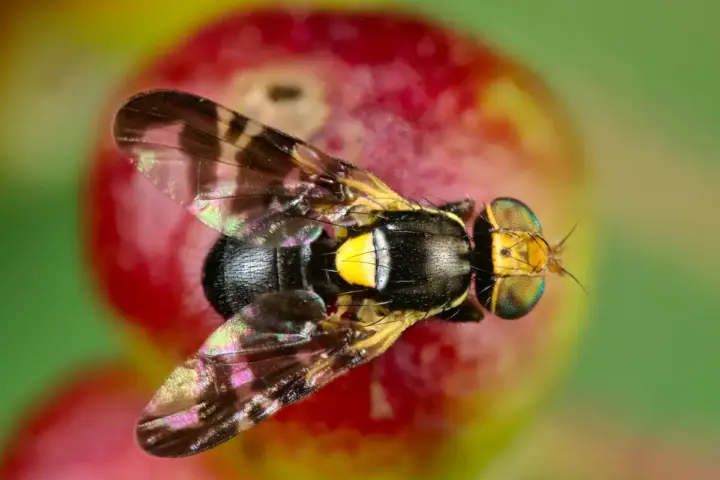
New York European Cherry Fruit Fly Quarantine Expands to 7,991 Square Miles
Does your county sit inside the New York European cherry fruit fly quarantine? If so, a federal order now covers it. The New York European cherry fruit fly quarantine has added Livingston
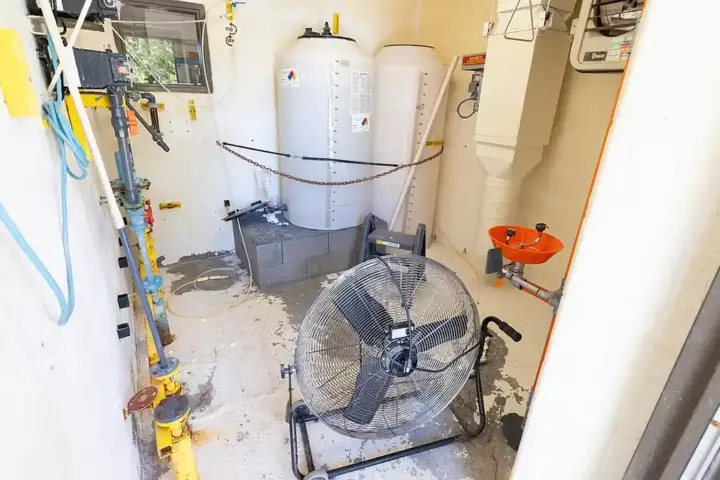
EPA Chemical Safety Settlements Top $1.3 Million Across California and Arizona
Live or work near a plant that stores ammonia or chlorine gas? New EPA Clean Air Act settlements in California and Arizona could matter to you. Federal regulators reached deals with eight
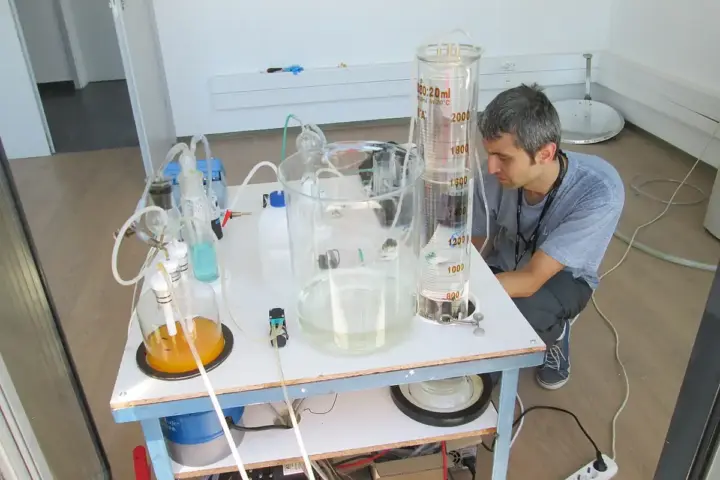
Visible Light CO2 Catalyst Turns Carbon Dioxide Into Industrial Feedstock for Nearly 4 Hours
Carbon dioxide is chemically stable, which makes it difficult to reuse. A team at Rice University has built a visible light CO2 catalyst that turns it into a useful chemical. Their catalyst
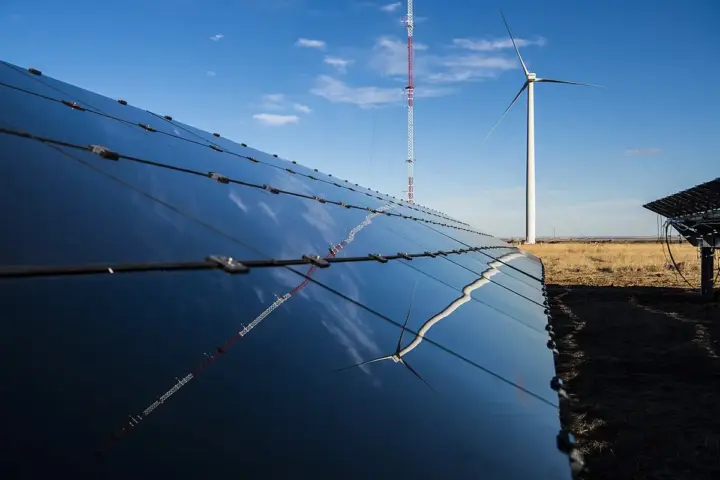
Wind, Solar and Batteries Cut Clean Power Costs Nearly a Fifth, Ember Finds
Wind, Solar and Batteries Cut Clean Power Costs Nearly a Fifth, Ember Finds For anyone who wonders whether clean power can keep the lights on through cloudy days and still nights, a
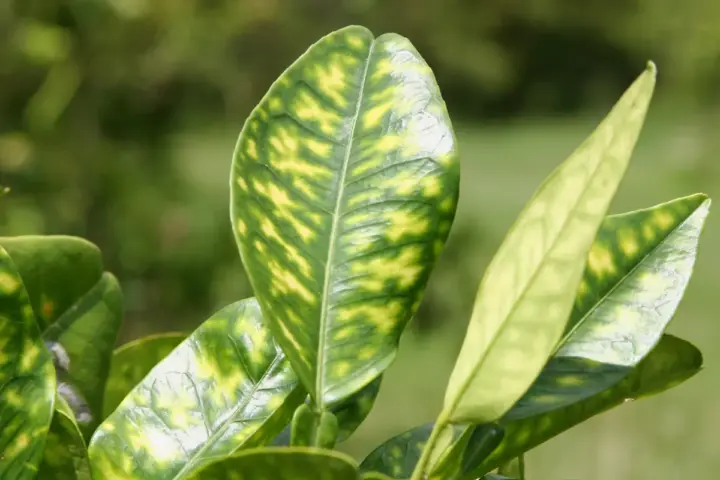
California Citrus Greening Quarantine Expands After One Positive Sample in Riverside County
If you grow citrus in the expanded Corona, Lake Elsinore, or Wildomar areas, federal rules on moving citrus may now apply to your trees. The U.S. Department of Agriculture has expanded the

D.C. Court Dismisses Three District-Court Challenges to Gulf ESA Exemption
D.C. Court Dismisses Three District-Court Challenges to Gulf ESA Exemption If you work offshore in the Gulf of America, or depend on its waters, one question matters most: does the federal exemption
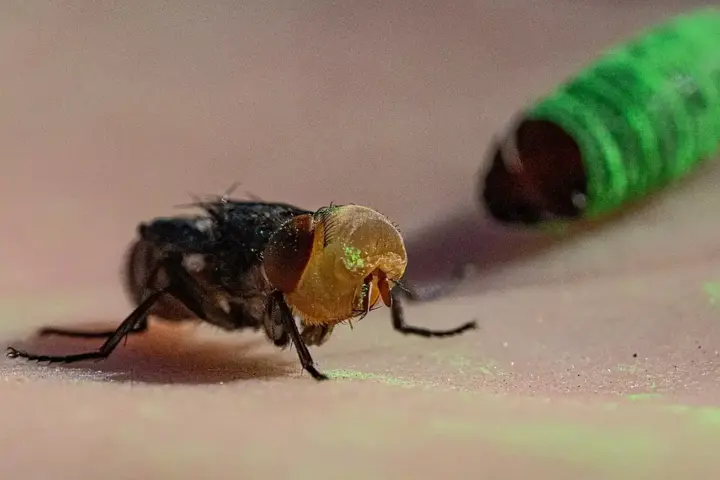
USDA Hires 228 for Sterile Fly Production Facility in Texas
If you raise cattle, horses, or pets in South Texas, New World screwworm is a threat worth watching for. The U.S. Department of Agriculture (USDA) has opened hiring for 228 positions to
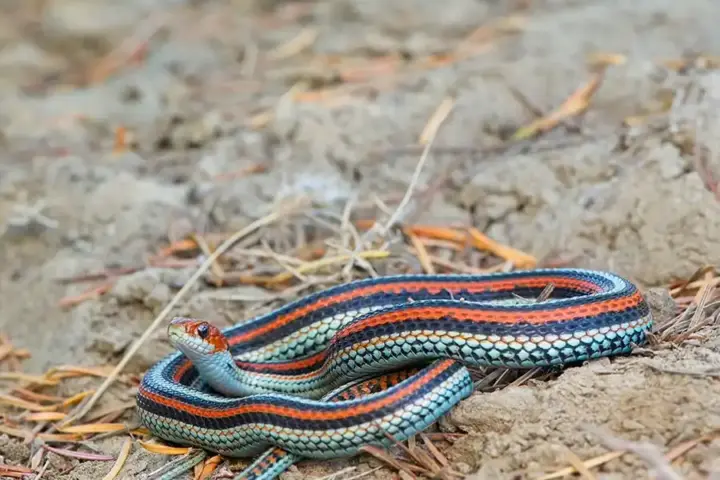
62 Endangered San Francisco Garter Snakes Return to the Wild in Historic First, With 130+ More Coming in 2027
62 Endangered San Francisco Garter Snakes Return to the Wild in Historic First, With 130+ More Coming in 2027 If you have ever worried that a local species is slipping away, this
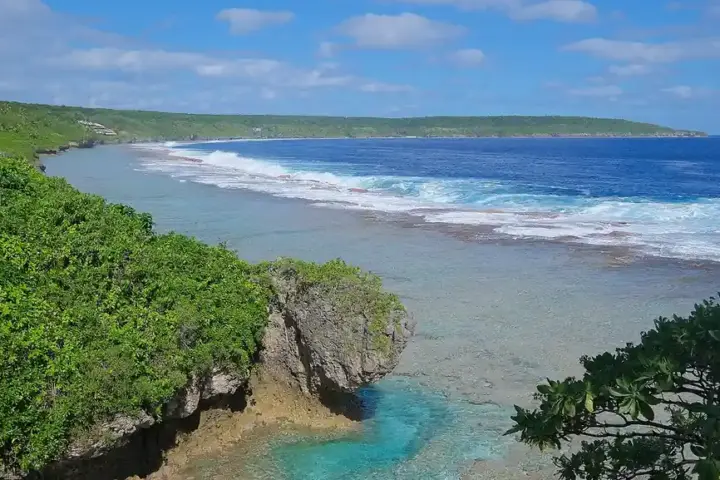
Niue Ocean Earthshot Prize Win Pushes Endowment Fundraising Past Halfway as Fish Biomass Rises 60% Since 2016
Niue Ocean Earthshot Prize Win Pushes Endowment Fundraising Past Halfway as Fish Biomass Rises 60% Since 2016 Marine parks need steady funding to stay protected. Niue, a small island nation in the

MIT Voxel Building Blocks Could Cut Embodied Carbon by Up to 82% in One-Story Building Study
MIT Voxel Building Blocks Could Cut Embodied Carbon by Up to 82% Concrete and steel can account for substantial embodied greenhouse-gas emissions in buildings. If you worry that every new home, school,

MIT Voxel Building Blocks Could Cut Embodied Carbon by Up to 82% in One-Story Building Study
MIT Voxel Building Blocks Could Cut Embodied Carbon by Up to 82% Concrete and steel can account for substantial embodied greenhouse-gas emissions in buildings. If you worry that every new home, school,
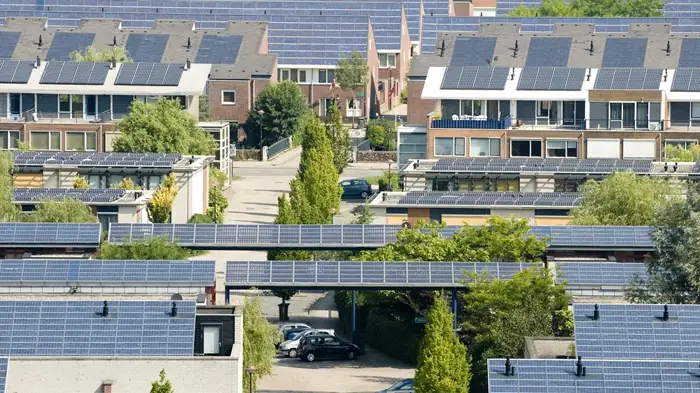
Residential Solar Heat Mortality: Rooftop Panels Cut Extreme-Heat Deaths by 8.5% in Japan
Residential solar heat mortality in Japan fell as rooftop panels spread across the country. A study in Social Science & Medicine reports the finding, and points to a practical way to keep
NOAA Ocean Observations Request for 2026 Closes Dec. 15
NOAA Fisheries wants to hear from you. If you spent time on the water in the Gulf of Maine, Georges Bank or the Mid-Atlantic Bight in 2026, tell the agency what you