Solar Panel Shockwave Recycling Pilot Recovers 99.99% Pure Silver and 99.995% Pure Silicon
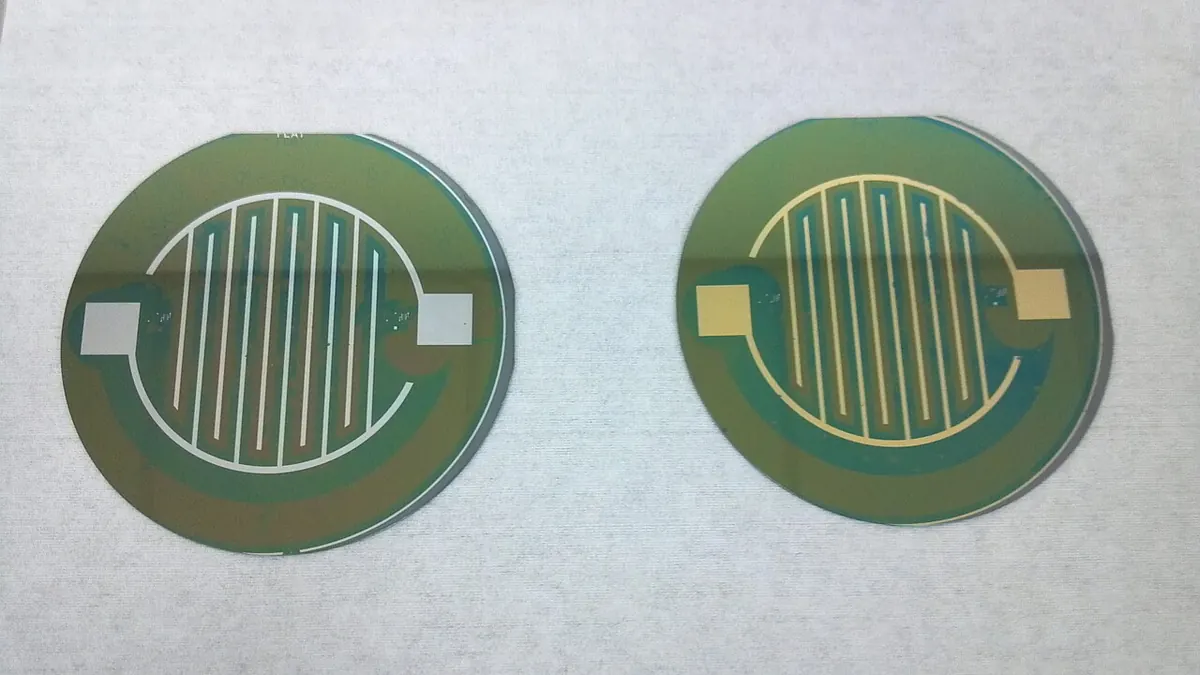
Pilot solar panel shockwave recycling lines have recovered silver and silicon from old panels at very high purity. Researchers in Singapore and Poland report silver above 99.99% purity and silicon above 99.995% purity from end-of-life panels. They used either a heat-based route or the shockwave route called electrohydraulic fragmentation. The work also recovered the protective plastic layers: the backsheet at room temperature, and, with the shockwave route, the laminate layer completely.
Researchers from the Solar Energy Research Institute of Singapore at the National University of Singapore and AGH University of Krakow in Poland built pilot-scale lines. They tested two ways of separating a panel’s layers. The study was published in the journal Waste Management, and pv magazine reported on it on November 24, 2026. One route uses heat. The other, called electrohydraulic fragmentation, sends shockwaves through the panel. The study reports silver above 99.99% purity and silicon above 99.995% purity in the recovered materials from both routes.
For homeowners and anyone planning a solar installation, the practical result is simple. The pilot results show that retired panels can yield high-purity silver and silicon. Metal and silicon can be pulled out at high purity, and the shockwave route recovers the laminate layer completely. This is an inference from the reported purity results, not a claim the study makes about local recycling services.

Latest from Science
Superconducting Low Energy Memory: MIT’s Tiny Sandwich Holds Data Without Power to Keep It
MIT physicists have built a memory cell that keeps its data with the power switched off. MIT News reports that changing its magnetic alignment takes less energy than in traditional semiconductor cells.
Metal-Free Hydrogen Peroxide Catalyst Hits 99% Faradaic Efficiency in Lab Tests
In laboratory electrolysis, a metal-free hydrogen peroxide catalyst reached over 99 percent Faradaic efficiency. That means over 99 percent of the applied electric charge went into the product the chemists wanted. The
NASA Dragonfly DragonCam Cameras Installed on Titan-Bound Rotorcraft
How will a robotic rotorcraft see Titan once it arrives? The answer is now taking shape. The NASA Dragonfly DragonCam cameras, seven in all, are installed and tested on the craft at
Visible Light CO2 Catalyst Turns Carbon Dioxide Into Industrial Feedstock for Nearly 4 Hours
Carbon dioxide is chemically stable, which makes it difficult to reuse. A team at Rice University has built a visible light CO2 catalyst that turns it into a useful chemical. Their catalyst

Chevron Skink Returned Wild: Eleven Lizards Home on Aotea After 30 Years in Zoo Care
Eleven chevron skinks have been returned to the wild on Aotea, Great Barrier Island, after 30 years in Auckland Zoo’s care. A chevron skink returned wild is a rare piece of good

62 Endangered San Francisco Garter Snakes Return to the Wild in Historic First, With 130+ More Coming in 2027
62 Endangered San Francisco Garter Snakes Return to the Wild in Historic First, With 130+ More Coming in 2027 If you have ever worried that a local species is slipping away, this

NIH BRAIN Initiative Cell Atlas Maps the Basal Ganglia
Families affected by Parkinson’s disease, Huntington’s disease or autism may want to know which parts of the brain are involved. On November 12, 2026, NIH-funded researchers published a large set of studies
UCL’s Water-Based Iodine Battery Kept 96% Capacity After 1,000 Cycles—What the Lab Results Show
UCL Aqueous Battery Breakthrough: Four-Electron Iodine Storage Without Halogen Salts Concerns about battery fires often lead people to ask whether a home battery or a neighborhood power store is safe. This laboratory
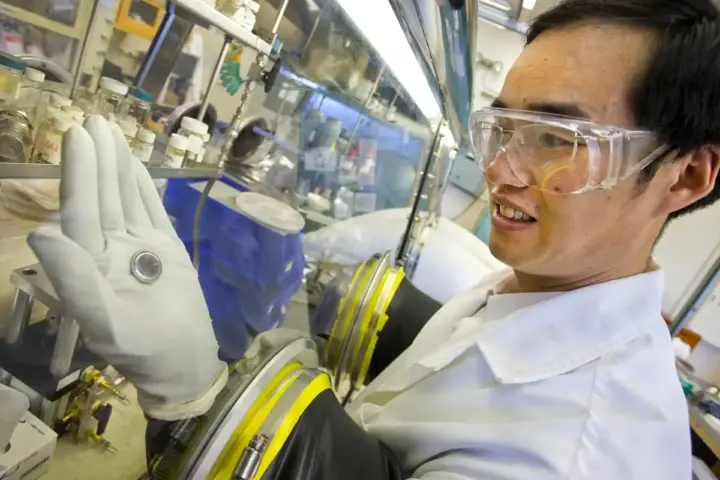
UCL’s Water-Based Iodine Battery Kept 96% Capacity After 1,000 Cycles—What the Lab Results Show
UCL Aqueous Battery Breakthrough: Four-Electron Iodine Storage Without Halogen Salts Concerns about battery fires often lead people to ask whether a home battery or a neighborhood power store is safe. This laboratory

International TOAR-II Ozone Assessment Ties Smog to 500,000 COPD Deaths
If you have a parent or partner with COPD, a long-term lung disease, ozone matters to you. The same goes for anyone who checks the air quality forecast before a run. Ground-level

NASA X-70 Fractal Aircraft: Modular Crewed Experimental Jet
The NASA X-70 Fractal aircraft is a modular crewed experimental research jet. It was built to test new flight-control technology and swap payloads quickly. The X-70 Fractal can accommodate up to 2,000

October 2026 Global Temperature Surge: NOAA Logs 2.57°F Largest Monthly Departure As 11 Major Cyclones Form
October 2026 global temperature records arrived together. The month brought the strongest departure from average in NOAA’s 1850–2026 record. It also set a fifth consecutive monthly ocean record and saw tropical cyclone

Culling Seals and Sea Lions Won’t Save Salmon, NOAA Study Finds
One question for West Coast salmon managers and anglers is whether removing seals and sea lions from the ocean can help Chinook and coho recover. A NOAA Fisheries and Oregon State University
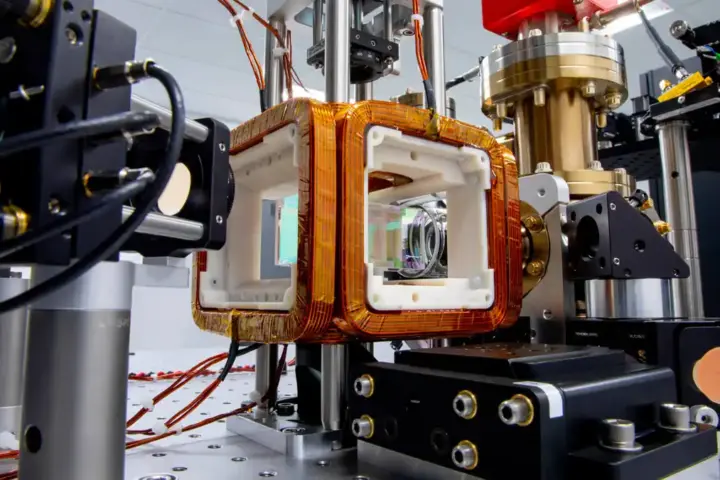
Atom Computing CHIPS Award Finalized with $100M Ceiling to Build Utility-Scale Quantum Systems
Scaling a quantum computer involves more than increasing its qubit count; the system must also support qubit control and integration. The U.S. Department of Commerce has finalized an award of up to
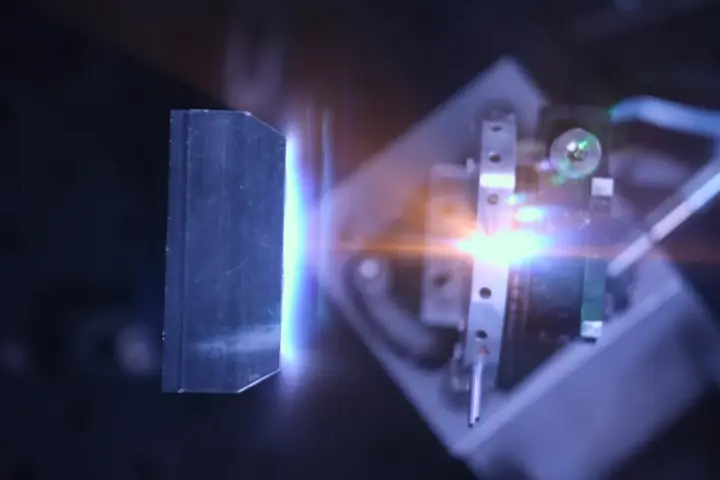
First Light Fusion FLARE: Central Laser Facility Models Fast-Ignition Fusion
For UK fusion investors and energy planners, a central question is whether inertial fusion can reduce the laser energy needed for ignition while maintaining high fusion gain. STFC’s Central Laser Facility (CLF)